
From Basement Battles to Global Arenas: The Rise of Esports
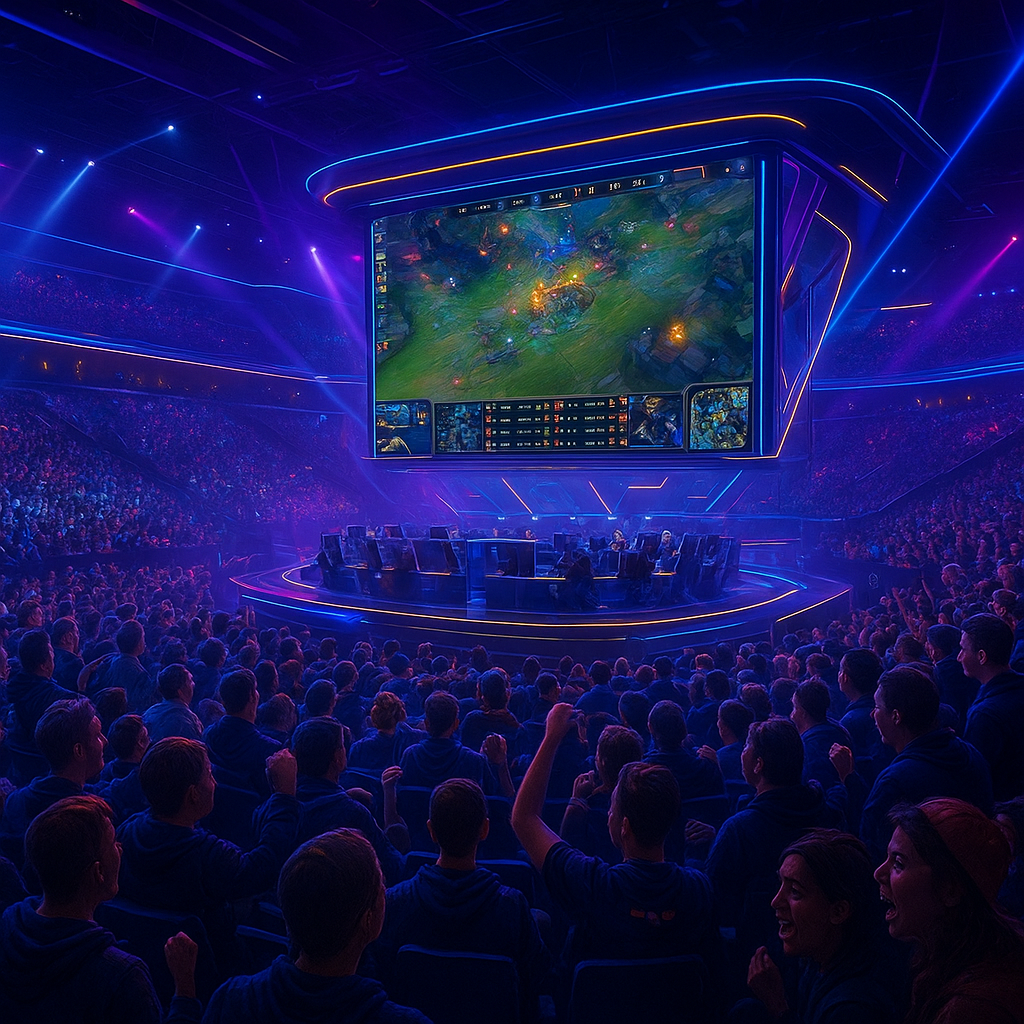
In 2026, esports stands as one of the most dynamic entertainment sectors worldwide, boasting a global audience exceeding 800 million enthusiasts, according to industry estimates. What began in the 1990s as niche LAN parties evolved into stadium-filling tournaments with prize pools rivaling traditional sports. One vivid scene captures the essence of this evolution: a sold-out arena in Seoul hosting the League of Legends World Championship finals, with over 70,000 fans cheering and millions more streaming live online. This spectacle exemplifies how esports has transcended its early roots to become a cultural and economic powerhouse.
The transformation is not just in scale but also in perception. Once dismissed as casual entertainment, esports now commands respect from mainstream media, corporate sponsors, and government bodies. This opening section sets the stage for understanding the intricate web of developments that have propelled esports into the global spotlight, a journey marked by innovation, community building, and commercial savvy.
Historical Context: Tracing Esports’ Journey to Mainstream Prominence
The foundation of modern esports traces back to the late 20th century, with early competitive gaming emerging through titles like Quake and StarCraft. However, it was the advent of broadband internet and streaming platforms in the early 2010s that catalyzed esports' rapid growth. Platforms such as Twitch and YouTube Gaming revolutionized content delivery, enabling fans worldwide to watch live matches and engage with players in real-time.
By the mid-2010s, esports tournaments began to attract substantial investment. The formation of professional leagues, such as the Overwatch League in 2018, introduced franchising models akin to traditional sports. These leagues brought structure, stability, and legitimacy to the ecosystem. Government recognition soon followed; countries like South Korea and China established esports as official sports disciplines, investing heavily in infrastructure and education.
Several pivotal moments shaped the esports landscape:
- 2011: The International Dota 2 Championship introduces a crowdfunded prize pool, exceeding $1 million, setting a new standard.
- 2016: The Overwatch League launches with city-based teams, integrating traditional sports marketing strategies.
- 2020s: The rise of mobile esports expands accessibility globally, especially in emerging markets.
This historical backdrop is crucial to appreciate the complexities and scale of esports today, highlighting a trajectory fueled by technological advances and cultural shifts.
Economic and Cultural Impact: Understanding Esports’ Global Footprint
Esports’ influence extends far beyond gaming screens. The sector's economic impact is staggering; in 2026, global revenues are projected to surpass $3.5 billion, with sponsorships, advertising, media rights, and merchandise sales as primary drivers. According to data from Newzoo and PwC, sponsorship alone accounts for over 50% of esports income, signaling the confidence brands place in this medium's marketing potential.
Culturally, esports fosters diverse communities united by shared passion. It has reshaped youth culture, influencing fashion, music, and social interaction patterns. Universities now offer esports scholarships and degrees in esports management, reflecting its institutional acceptance. Additionally, the integration of AI-driven analytics and immersive technologies like VR and AR has enhanced player performance and fan engagement.
Key economic and cultural facets include:
- Job creation: Beyond players, the ecosystem employs coaches, analysts, broadcasters, event organizers, and developers.
- Global reach: Esports tournaments attract audiences from Asia, North America, Europe, and increasingly Latin America and Africa.
- Diversity and inclusion: Initiatives promoting women and marginalized groups in esports are gaining momentum, gradually shifting demographics.
Such developments underscore esports’ role as a multifaceted industry, intertwining entertainment, technology, and culture.
“Esports is not just a game; it’s a new form of global storytelling and community-building,” says Dr. Lena Hoffman, professor of digital culture at Berlin University.
Current Trends and Innovations Shaping Esports in 2026
The esports ecosystem in 2026 is defined by technological innovation and expanding reach. One major trend is the widespread adoption of AI and immersive tech, as highlighted in our recent analysis. AI-powered coaching tools analyze gameplay data in real-time, offering personalized strategies and improving competitive fairness through advanced cheating detection.
Simultaneously, virtual and augmented reality have redefined fan experiences. Several tournaments now integrate mixed reality overlays in live broadcasts, allowing viewers to interact with game stats and player biometrics. VR esports arenas also provide immersive spectating, where fans feel physically present in digital stadiums.
Mobile esports continues to surge, especially in developing regions, fueled by better connectivity and affordable devices. Titles like Mobile Legends and PUBG Mobile dominate viewership charts, with leagues adapting formats to suit mobile playstyles.
Corporate investment remains robust, with brands across automotive, fashion, and finance sectors sponsoring teams and events. Additionally, regulatory frameworks are strengthening to ensure player rights and data privacy, reflecting the industry's maturation.
- AI-driven analytics platforms enhance player training and audience engagement.
- Mixed reality broadcasting transforms spectator experiences.
- Mobile esports accounts for over 40% of global esports viewership.
- Regulation improves transparency and player welfare.
“The integration of immersive tech is not just a novelty; it’s the future of how fans connect with esports,” notes Carlos Mendez, CTO of a leading esports tech firm.
Industry Perspectives: Voices from Within the Esports Ecosystem
Experts across the esports ecosystem emphasize the sector’s evolution into a sustainable and respected industry. Sarah Kim, CEO of a top esports organization, observes, “We’ve moved beyond the stereotype of gamers in basements. Today, esports athletes train rigorously, supported by nutritionists, psychologists, and strategists.” This professionalization mirrors traditional sports methodologies, enhancing performance and longevity.
Broadcasters and media executives note the diversification of content, from live matches to documentaries and lifestyle shows, which broadens audience appeal. According to a 2025 Nielsen report, esports viewers skew younger but are increasingly balanced by older demographics, reflecting mainstream penetration.
Government officials in countries like the UK and Singapore are promoting esports as a tool for youth engagement and digital economy growth. Our coverage of UK esports developments highlights public-private partnerships to build esports hubs and training programs.
These perspectives converge to paint a picture of esports as an industry embracing innovation, inclusivity, and institutional support.
Looking Ahead: What’s Next for Esports?
As esports moves deeper into 2026, several key trends will likely shape its future trajectory. First, the convergence of AI, blockchain, and web3 technologies promises to revolutionize ownership models and fan interaction. Tokenized assets and decentralized leagues could empower players and fans alike, creating new revenue streams and governance structures.
Second, sustainability is gaining prominence. Esports events are adopting greener practices, from energy-efficient data centers to eco-conscious venue management, aligning with global climate goals.
Third, education and career pathways will expand. Universities worldwide are developing esports curriculums, and vocational training programs are preparing the next generation of industry professionals.
Finally, as esports continues to globalize, cultural adaptation will be crucial. Localized content and regional leagues will coexist with global tournaments, catering to diverse audiences while fostering cross-cultural exchange.
- Integration of blockchain and web3 for fan engagement and ownership.
- Sustainability initiatives in event management and infrastructure.
- Expansion of esports education and career development.
- Growth of localized leagues alongside global competitions.
For readers seeking a deeper understanding of esports’ evolving cultural and commercial dimensions, our feature How Esports Is Redefining Competition, Culture, and Commerce in 2026 offers comprehensive insights into these ongoing shifts.