Your vision is essential to your daily life, but eye emergencies can happen unexpectedly. A sudden injury, severe eye pain, flashes of light, or rapid vision changes may indicate a serious condition that requires immediate treatment. Seeking eye urgent care without delay can help prevent permanent vision loss and reduce the risk of long-term complications.
Many people wait to see if their symptoms improve on their own. Unfortunately, delaying care can allow certain eye conditions to become more severe. Understanding when to seek urgent medical attention is one of the best ways to protect your eyesight.
What Is Eye Urgent Care?
Eye urgent care provides prompt evaluation and treatment for eye conditions that need immediate attention. Unlike a routine eye exam, urgent care focuses on sudden injuries, infections, and vision-threatening conditions that require same-day assessment by an ophthalmologist.
The goal is to diagnose the problem quickly, relieve symptoms, and preserve your vision through timely treatment.
Eye Symptoms That Should Never Be Ignored
Your eyes rarely develop severe symptoms without a reason. Certain warning signs should always be evaluated by an eye specialist.
Seek immediate eye care if you experience:
- Sudden blurry or distorted vision
- Partial or complete vision loss
- Severe eye pain
- New flashes of light
- A sudden increase in floaters
- Eye redness with pain
- Swelling around the eye
- Bleeding after an eye injury
- Chemical exposure
- A foreign object stuck in the eye
Early diagnosis often leads to more successful treatment and better visual outcomes.
Common Eye Emergencies
Several eye conditions require urgent medical attention because they can threaten your eyesight if left untreated.
Retinal Tears and Retinal Detachment
The retina is responsible for sending visual information to the brain. If it tears or detaches, patients may notice flashes of light, floating spots, or a shadow moving across their vision.
Prompt treatment is essential to reduce the risk of permanent vision loss.
Eye Injuries
Sports accidents, falls, workplace incidents, and household injuries can damage delicate eye structures. Even when pain is minimal, internal injuries may still be present.
Professional evaluation ensures hidden damage is not overlooked.
Corneal Abrasions
A scratched cornea may cause:
- Sharp pain
- Excessive tearing
- Redness
- Blurred vision
- Sensitivity to light
Without proper treatment, infection can develop and slow the healing process.
Eye Infections
Eye infections can progress quickly and may affect both comfort and vision.
Common symptoms include:
- Thick discharge
- Swollen eyelids
- Persistent redness
- Pain
- Blurred vision
Prompt medical care helps control the infection before it spreads.
Acute Glaucoma
A sudden increase in eye pressure is a medical emergency.
Symptoms may include:
- Severe eye pain
- Headache
- Nausea
- Blurred vision
- Halos around lights
Immediate treatment is necessary to protect the optic nerve.
What Happens During an Eye Urgent Care Visit?
When you visit an ophthalmologist for eye urgent care, the examination focuses on identifying the exact cause of your symptoms.
The evaluation may include:
- Vision testing
- Eye pressure measurement
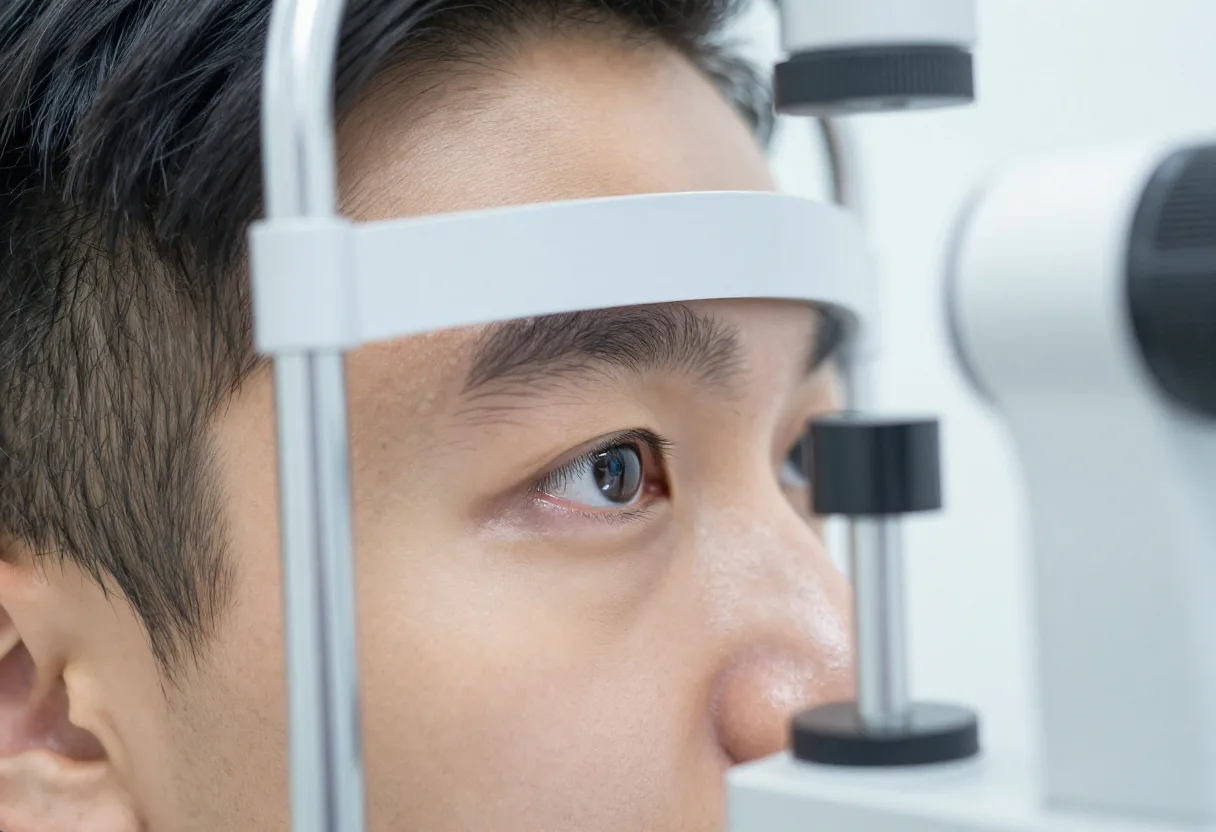
- Slit-lamp examination
- Retinal examination
- Pupil assessment
- Digital retinal imaging
- Optical coherence tomography (OCT), when needed
These advanced diagnostic tools help specialists make accurate diagnoses and begin treatment without unnecessary delays.
Treatment Options for Eye Emergencies
Treatment depends on the condition affecting your eye.
Your ophthalmologist may recommend:
- Prescription eye drops
- Oral medications
- Removal of foreign material
- Laser treatment
- Minor office procedures
- Surgical intervention when necessary
Every treatment plan is personalized to address the patient's specific diagnosis and overall eye health.
First Aid Before Receiving Medical Care
Knowing how to respond immediately after an eye emergency can reduce further damage.
Helpful first-aid measures include:
- Keep the affected eye protected.
- Avoid rubbing or touching the eye.
- Flush immediately with clean water after chemical exposure.
- Do not attempt to remove deeply embedded objects.
- Avoid using over-the-counter eye medications unless instructed.
- Seek professional care as soon as possible.
Simple first-aid steps can make a significant difference before you reach an eye specialist.
Who Is Most at Risk for Eye Emergencies?
Anyone can experience an eye emergency, but certain individuals have a higher risk.
Higher-risk groups include:
- Athletes
- Construction workers
- Factory employees
- People with diabetes
- Older adults
- Contact lens wearers
- Individuals with glaucoma
- Patients with retinal disease
Routine eye care helps monitor these patients and detect problems early.
Preventing Eye Emergencies
Although accidents cannot always be avoided, preventive habits greatly reduce the likelihood of serious eye injuries.
Protect your eyes by:
- Wearing safety glasses during hazardous activities
- Using sports protective eyewear
- Wearing sunglasses with UV protection
- Practicing proper contact lens hygiene
- Managing chronic medical conditions
- Scheduling comprehensive eye examinations
These preventive measures support healthy vision throughout life.
Why Immediate Treatment Matters
Certain eye diseases can progress within hours. Waiting too long to seek eye urgent care may reduce treatment options and increase the likelihood of permanent vision damage.
Early intervention offers several important benefits:
- Faster symptom relief
- Improved treatment success
- Lower risk of complications
- Better preservation of vision
- Reduced need for complex surgery
Timely medical attention remains one of the most important factors in protecting your eyesight.
Maintaining Healthy Vision After an Eye Emergency
After treatment, following your ophthalmologist's recommendations is essential for recovery.
Patients should:
- Attend follow-up appointments
- Use medications exactly as prescribed
- Avoid rubbing the eyes
- Wear protective eyewear when appropriate
- Report any new symptoms immediately
Ongoing monitoring helps ensure the eye heals properly and reduces the chance of future complications.
Conclusion
Eye emergencies require immediate attention because even a short delay can affect your long-term vision. Sudden vision loss, eye pain, injuries, infections, flashes of light, or chemical exposure should always be evaluated by an experienced ophthalmologist. Seeking eye urgent care promptly allows specialists to diagnose the problem quickly and begin treatment before permanent damage occurs.
Protecting your eyesight starts with recognizing the warning signs and taking immediate action. Prompt medical care, combined with regular eye examinations and healthy eye care habits, is the best way to preserve clear vision and maintain lifelong eye health.