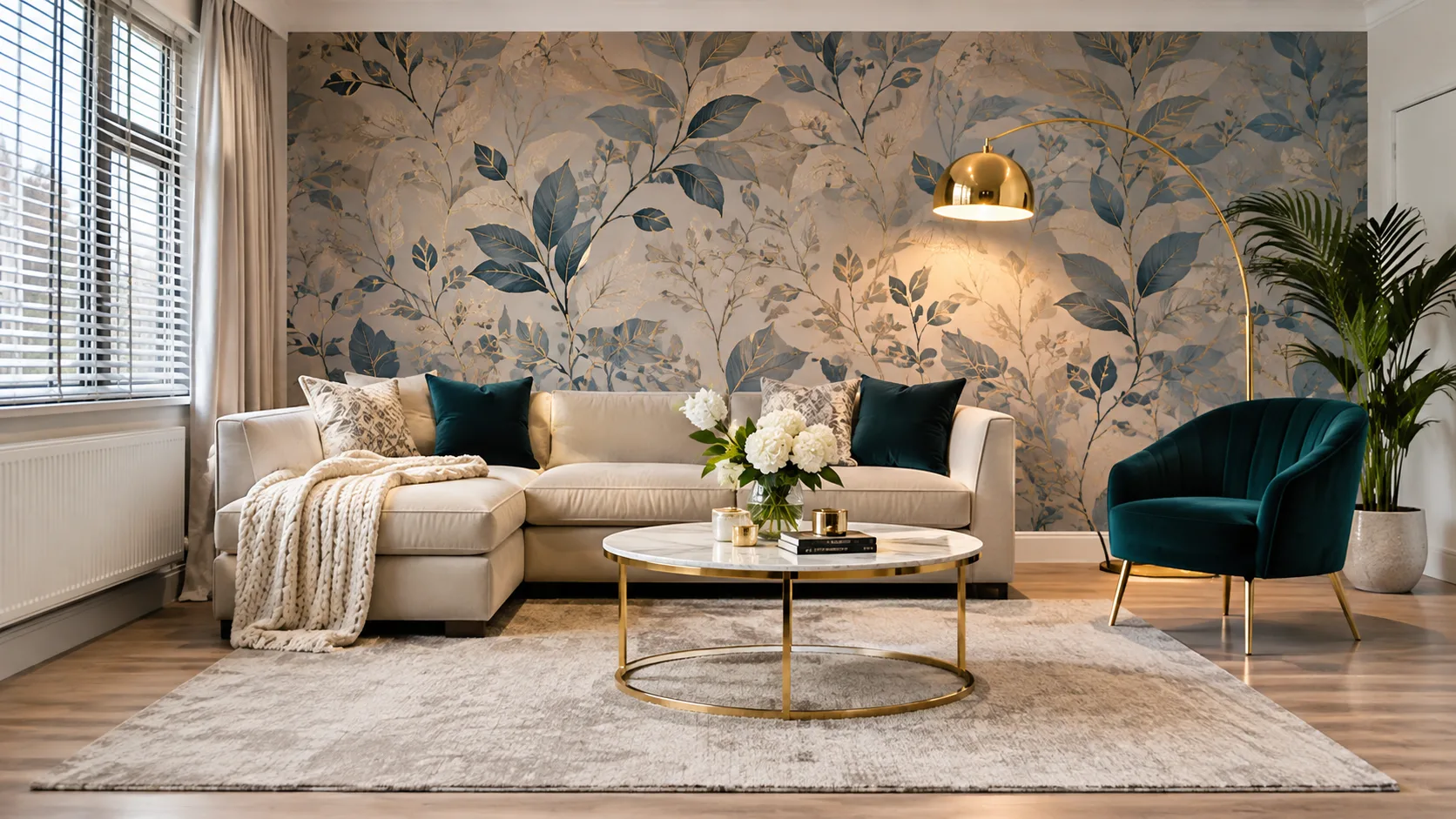
A well-designed interior is about more than choosing attractive furniture or decorating with fashionable colours. The walls of a room play an equally important role in creating an atmosphere that reflects personal taste and lifestyle. Wallpaper offers an opportunity to introduce character, texture, colour and visual interest without making significant structural changes. From subtle patterns that bring warmth to a living room to striking designs that create an impressive feature wall, the right wallpaper can completely change how a space feels.
However, achieving an attractive finish requires more than selecting a design from a catalogue. Professional wallpaper installation London services can help ensure a smooth, precise and long-lasting finish. The condition of the walls, the type of wallpaper, the accuracy of measurements and the quality of installation all influence the final result. Understanding these details can help homeowners make informed decorating decisions and enjoy interiors that remain beautiful for years.
Why Wallpaper Remains a Popular Interior Design Choice
Wallpaper has evolved considerably over the years. Traditional floral patterns and repetitive designs are now accompanied by contemporary geometric prints, textured surfaces, botanical illustrations and sophisticated neutral finishes. This variety makes wallpaper suitable for almost every interior style.
One of its greatest advantages is the ability to introduce personality into a room. While painted walls provide a clean and simple appearance, wallpaper can create a distinctive visual feature. A carefully selected design can make a small room feel more interesting, add warmth to a large space or bring different elements of an interior together.
It also provides flexibility. Homeowners can choose understated patterns for a relaxing bedroom, elegant textures for a formal dining area or playful designs for children's rooms. With so many possibilities available, decorating becomes an opportunity to express individual preferences rather than simply following current trends.
Choosing the Right Wallpaper for Different Rooms
Every room has its own practical requirements and decorative purpose. A design that looks excellent in a spacious lounge may not necessarily work in a compact hallway or a moisture-prone bathroom.
Living Rooms That Reflect Your Personality
The living room is often one of the most frequently used areas of a home. It provides a place to relax, entertain visitors and spend time with family. Wallpaper can help establish the room's overall character.
Large botanical prints can introduce a natural feeling, while geometric patterns create a more contemporary appearance. Neutral textured designs are suitable for homeowners who prefer a sophisticated interior without overwhelming the existing furniture.
A feature wall behind a sofa or television unit can provide a focal point without covering every surface. This approach is particularly useful when working with bold colours or intricate patterns.
Bedrooms Designed for Comfort
Bedrooms should feel comfortable, peaceful and inviting. Soft colours, delicate patterns and natural textures can contribute to a relaxing environment.
Muted greens, warm beige, gentle blues and understated floral designs are popular choices for creating a calm atmosphere. Placing wallpaper behind the bed can also establish a natural focal point while keeping the remaining walls relatively simple.
Hallways That Make a Strong First Impression
Hallways are sometimes overlooked during home improvement projects, despite being the first interior space visitors encounter. A thoughtfully chosen wallpaper design can make these areas feel more welcoming.
Vertical patterns may create the impression of additional height, while lighter colours can help narrow hallways appear brighter. Durable wallpaper is worth considering in busy areas where walls are more likely to experience everyday contact.
Understanding Different Wallpaper Materials
Before making a purchase, it is important to understand that wallpaper is available in several materials. Each option has different characteristics, installation requirements and maintenance considerations.
Non-woven wallpaper: This is a popular choice because it is generally easier to handle than some traditional alternatives. It is dimensionally stable and can be convenient during installation and future removal, depending on the product.
Vinyl wallpaper: Often selected for its durability and practical maintenance, vinyl wallpaper can be suitable for areas that experience regular use. Certain varieties are more resistant to moisture, although product suitability should always be checked before installation in bathrooms or kitchens.
Traditional paper wallpaper: Paper-based designs offer a wide range of decorative possibilities. However, they may require more careful handling because they can be sensitive to moisture and stretching during application.
Textured wallpaper: This option adds depth and dimension to plain walls. Embossed finishes, linen-inspired textures and raised patterns can introduce interest without relying on strong colours.
The best choice depends on the room, the condition of the walls, the manufacturer's recommendations and the appearance you want to achieve.
The Importance of Proper Wall Preparation
One of the most important parts of any decorating project happens before the wallpaper is applied. Even the most expensive design can look disappointing when installed over an unsuitable surface.
Walls should be examined for cracks, holes, loose plaster, peeling paint and uneven areas. Small imperfections may become more noticeable once wallpaper is applied, particularly when working with thin materials or designs with a smooth finish.
Preparation generally involves removing old wallpaper, filling damaged areas, sanding rough surfaces and cleaning away dust or grease. Depending on the wall condition and wallpaper type, a suitable primer or lining paper may also be necessary.
Moisture problems should be addressed before decorating begins. Applying wallpaper over damp walls can lead to bubbling, peeling and other installation problems. If there are signs of persistent dampness, identifying and resolving the underlying cause should take priority.
Professional preparation may seem like an additional expense, but it helps create the foundation for a cleaner and more durable finish.
Why Accurate Installation Makes a Difference
Wallpapering requires patience, attention to detail and a methodical approach. Measurements must be accurate, patterns need to align correctly and adhesive must be applied according to the manufacturer's instructions.
For homeowners seeking wallpaper installation in London, choosing an experienced decorator can make the process considerably easier. Professional workmanship helps reduce common problems such as visible seams, trapped air bubbles, uneven edges and poorly aligned patterns.
The first strip is particularly important because it establishes the reference point for the remaining sections. If the initial strip is not straight, small alignment errors can become increasingly noticeable across the wall.
Pattern matching also requires careful planning. Repeating designs may involve additional material to ensure that each section connects naturally with the next. This is especially important when working with large floral prints, symmetrical patterns or detailed geometric designs.
Corners, ceilings, skirting boards, sockets and door frames require extra attention. Neat trimming around these areas contributes to a polished appearance and prevents the finished room from looking untidy.
How to Plan a Wallpapering Project Successfully
Good planning helps avoid unnecessary delays, material shortages and unexpected costs. Before starting a decorating project, consider the following points.
Measure the Walls Carefully
Measure the height and width of each wall to establish the amount of wallpaper required. Remember to account for doors, windows and other openings, while allowing additional material for pattern matching and cutting mistakes.
Wallpaper rolls can vary in width, length and pattern repeat, so always check the manufacturer's coverage information.
Consider Natural and Artificial Lighting
Lighting can significantly influence how wallpaper appears. A dark design may feel sophisticated in a bright room but could make a poorly lit space feel smaller.
If possible, examine wallpaper samples in the room where they will be installed. Observe how their colours and textures change throughout the day under different lighting conditions.
Coordinate with Existing Furniture
Wallpaper should complement the wider interior rather than compete with every other decorative element. Consider the colours of your flooring, curtains, furniture and accessories before making a final decision.
A balanced combination of patterns, textures and plain surfaces usually creates a more comfortable environment.
Establish a Realistic Budget
The overall cost of a project depends on the wallpaper material, room dimensions, wall condition and complexity of installation. Additional preparation, removal of existing wallpaper and repairs may also affect the final price.
Requesting a clear quotation before work begins helps establish realistic expectations and reduces the possibility of unexpected expenses.
Common Wallpapering Mistakes Homeowners Should Avoid
Although wallpapering may appear straightforward, several mistakes can affect the quality of the finished surface.
One common issue is failing to prepare the walls properly. Applying wallpaper to dusty, uneven or damaged surfaces can lead to poor adhesion and visible imperfections.
Another mistake is choosing a pattern without considering the dimensions of the room. Oversized designs can sometimes overwhelm compact spaces, while very small patterns may look repetitive across large walls.
Incorrect adhesive application can also create difficulties. Different wallpaper materials may require particular adhesives and application methods. Following product instructions is essential.
Rushing the installation process is another problem. Wallpaper needs to be measured, positioned and smoothed carefully. Attempting to complete the work too quickly can result in misaligned patterns, creases and uneven joins.
Adam's Painting recognises the importance of careful preparation and attention to detail when approaching interior decorating projects. Taking time to assess the surfaces and understand the desired finish helps establish a more reliable decorating process.
Wallpaper Trends That Can Refresh Modern Interiors
Interior design preferences continue to change, but some wallpaper styles offer lasting appeal.
Nature-Inspired Patterns
Botanical prints, leafy designs and landscape illustrations can bring a sense of the outdoors into an interior. These patterns work particularly well in bedrooms, dining rooms and spaces where homeowners want a relaxed atmosphere.
Subtle Textures and Natural Finishes
Textured wallpaper inspired by linen, stone and other natural materials can introduce depth without making a room appear excessively decorated. These finishes are particularly suitable for contemporary and minimalist interiors.
Geometric Designs
Geometric wallpaper offers a structured appearance that works well in modern homes. Repeated shapes, curved lines and symmetrical arrangements can add visual movement to otherwise simple spaces.
Warm and Earthy Colours
Terracotta, olive green, warm brown and muted beige continue to provide attractive options for comfortable interiors. These colours can work alongside natural wood, soft furnishings and understated decorative accessories.
Statement Walls
A statement wall remains an effective way to introduce a distinctive design without committing to wallpaper throughout the entire room. It allows homeowners to experiment with stronger patterns while maintaining balance elsewhere.
When to Consider Professional Decorating Assistance
Some straightforward wallpapering projects may be manageable for confident DIY enthusiasts. However, larger rooms, complicated patterns, high ceilings and delicate materials can make installation more challenging.
Professional wallpaper installation in London can be particularly beneficial when the project involves multiple rooms or intricate designs that require precise pattern matching.
An experienced decorator can assess the wall surfaces, recommend suitable preparation methods and explain which wallpaper options are appropriate for the intended space. This guidance can prevent avoidable mistakes and help homeowners make better use of their decorating budget.
Adam's Painting understands that successful decorating involves more than applying a new finish. Careful planning, suitable materials and consistent workmanship all contribute to the overall appearance of an interior.
For homeowners who are uncertain about material selection or installation requirements, discussing the project with a qualified decorating professional can provide useful direction before any work begins.
Maintaining Wallpaper to Keep Interiors Looking Fresh
Once wallpaper has been installed, appropriate maintenance can help preserve its appearance.
The first step is to follow the cleaning instructions supplied by the manufacturer. Some wallpaper types can be wiped gently with a damp cloth, while others require dry cleaning methods.
Avoid excessive moisture, particularly around seams and edges. Water can weaken adhesive and cause certain materials to lift or become damaged.
Dust should be removed periodically using a soft cloth or suitable attachment. In busy areas, checking corners and edges occasionally can help identify minor problems before they become more noticeable.
If a section becomes damaged, a professional may be able to repair or replace the affected area. Keeping spare wallpaper from the original batch can be helpful, especially when the design is discontinued or colour variations exist between production batches.
Creating Interiors That Feel Personal and Timeless
Decorating a home should be an enjoyable process that reflects the people who live there. Wallpaper offers an opportunity to introduce colour, texture and personality while transforming ordinary walls into meaningful design features.
The most successful projects balance appearance with practicality. Choosing suitable materials, preparing surfaces correctly and paying attention to installation details can make a significant difference to the final outcome.
Whether the aim is to refresh a single bedroom, create an impressive living room feature wall or update an entire property, thoughtful planning is essential. Homeowners considering wallpaper installation in London should look beyond the appearance of a particular design and consider its suitability, maintenance requirements and compatibility with the surrounding interior.
With the right approach, wallpaper can do much more than cover a wall. It can bring warmth to an empty room, introduce character into a modern property and create a welcoming atmosphere that feels genuinely personal. By combining creative choices with careful workmanship, homeowners can achieve interiors that remain attractive, practical and enjoyable for years to come.