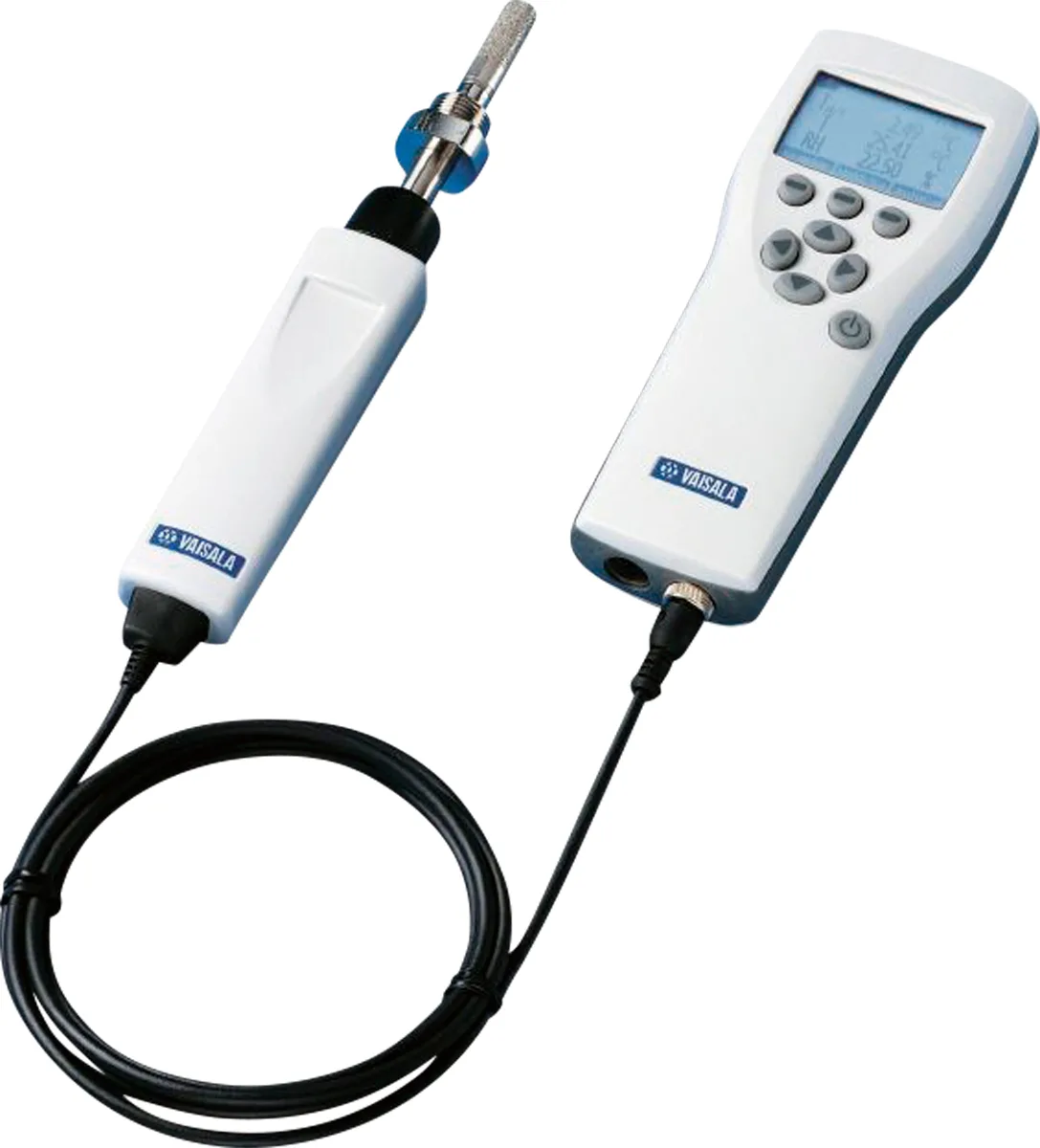
Moisture control is an important part of maintaining quality and reliability in many industrial operations. Compressed air, process gases, and specialized manufacturing environments often require careful monitoring because unwanted water vapour can affect equipment, materials, and production conditions. Accurate measurement helps operators understand whether a system is performing as expected and whether additional maintenance or process adjustments may be required.
Handheld measurement instruments offer a practical way to check moisture conditions at different points within a facility. Their compact design allows technicians to carry equipment during inspections and perform measurements without relying entirely on permanently installed monitoring systems. For industries that need regular spot checks, a suitable handheld instrument can support routine maintenance, troubleshooting, and quality control.
Why Handheld Moisture Testing Is Important
Industrial systems can experience changing moisture conditions because of variations in temperature, pressure, equipment performance, and operating loads. A compressed air dryer, for example, may perform differently as demand changes or as maintenance requirements develop. Monitoring moisture helps operators identify these changes before they create larger process concerns.
Handheld testing is useful when measurements need to be taken at multiple locations. Technicians can check different sampling points, compare readings, and investigate areas where moisture levels appear inconsistent. This approach can provide additional information during equipment commissioning, maintenance inspections, and troubleshooting activities.
Portable measurement also supports flexible inspection routines. Instead of depending only on a fixed sensor, maintenance teams can carry an instrument to the location where a measurement is required. This can be especially helpful in large facilities, where process conditions may differ between equipment sections.
Understanding How a Handheld Dewpoint Meter Works
A Handheld dewpoint meter measures dewpoint temperature to help determine the moisture condition of gases or compressed air. Dewpoint is the temperature at which water vapour begins to condense under specific pressure conditions. It provides an important indication of the amount of moisture present in a gas.
The instrument uses a moisture-sensing element to detect changes in water vapour. The sensor generates a measurement signal, which is processed and displayed by the device. Depending on the model, readings may be available in different engineering units, allowing users to interpret the results according to their process requirements.
Many industrial handheld instruments are designed for spot-check measurements. The operator connects the instrument to an appropriate sampling point and follows the recommended procedure to obtain a reading. Correct sampling is important because leaks, contamination, or unsuitable connections may influence the result.
Main Features to Consider When Selecting a Handheld Instrument
Choosing a suitable handheld moisture instrument requires attention to several technical and practical features. The measurement range is one of the most important considerations. The instrument should be capable of measuring the dewpoint conditions expected in the application, whether the process involves relatively moderate moisture levels or very dry gases.
Accuracy and repeatability also matter. Accuracy describes how closely a measurement corresponds to the expected value, while repeatability concerns the consistency of readings under comparable conditions. Both characteristics are useful when technicians need to compare measurements over time or evaluate changes in a process.
The display and controls should be easy to understand. A clear screen, intuitive menu structure, and convenient measurement units can make the instrument easier to use during routine inspections. Construction is another consideration because industrial equipment may be exposed to frequent handling and demanding working environments.
Some models include data logging, USB or Bluetooth communication, and calibration verification functions. These features can help users record measurements and review information later. Buyers should compare the specifications of individual models rather than assuming that every handheld instrument offers the same capabilities.
Applications Across Industrial Environments
Handheld dewpoint measurement is useful in several industries where moisture control is important. Compressed air systems are a common example. Moisture monitoring can help technicians assess dryer performance and check whether the air is suitable for downstream equipment or production requirements.
Process gas applications may also require regular moisture checks. Natural gas, welding gases, and other industrial gases can have specific moisture limits depending on their intended use. A handheld instrument can provide measurements at selected sampling points and support routine inspection procedures.
Other industries may use moisture measurement during manufacturing, maintenance, or quality assurance. Examples include power generation, pharmaceutical production, semiconductor manufacturing, and specialized gas processing. The appropriate instrument depends on the required measurement range, gas composition, and operating conditions.
Shaw Moisture Meters: Handheld Dewpoint Measurement Solutions
Shaw Moisture Meters develops and manufactures dewpoint meters, hygrometers, and trace moisture measurement equipment for industrial and commercial applications. Its handheld product range includes instruments designed for quick spot checks of dewpoint and trace moisture in gases and compressed air.
The SDHmini range includes standard, data-logging, and intrinsically safe versions. Depending on the selected model, features may include a colour graphics display, rechargeable battery, USB or Bluetooth communication, and selectable measurement units. These functions are intended to support practical measurement and data handling during industrial inspections.
Shaw's handheld instruments also use desiccant dry-down technology and its AutoCal feature. The dry-down arrangement helps prepare the sensor between measurements, while AutoCal provides a field verification or electronic span-check function on compatible models. Product specifications and operating instructions should be reviewed to understand the exact capabilities of each instrument.
For applications involving hazardous locations, the SDHmini-Ex is specified with intrinsically safe certifications to relevant standards, including ATEX and IECEx, as stated by the manufacturer. Users must confirm that the selected model, installation arrangement, and accessories meet the requirements of their specific hazardous-area classification.
Selecting the Correct Measurement Range
The measurement range should match the moisture conditions expected in the process. An instrument intended for a particular range may not provide suitable results if the application falls outside its specified limits. Understanding the expected dewpoint and required measurement units helps narrow down the available options.
Some users need readings in degrees Celsius or Fahrenheit, while others may require moisture concentration units such as ppm by volume or ppm by weight. Certain instruments provide multiple selectable units, making it easier to review measurements in the format used by the facility.
Pressure conditions should also be considered. Dewpoint measurements can differ depending on whether they refer to atmospheric pressure or process pressure. If pressure dewpoint is required, users should confirm that the instrument or measurement procedure supports the necessary correction.
Correct Sampling and Measurement Procedures
A handheld instrument can only provide useful information when the sample represents the process condition being investigated. Technicians should choose a suitable sampling point and follow the manufacturer's instructions for connecting the device. The sampling arrangement should be compatible with the gas, pressure, and expected moisture level.
Connections should be checked for leaks and contamination. Moisture introduced through an unsuitable sample line or fitting can affect the measurement and lead to misleading results. Users should also allow the instrument to follow its recommended measurement procedure before recording a reading.
Consistency is valuable when comparing results. Taking measurements under similar operating conditions and recording the sampling location can help technicians identify trends. Maintaining a clear inspection record also makes it easier to review equipment performance during future maintenance activities.
Calibration and Measurement Confidence
Calibration helps maintain confidence in the readings produced by a moisture measurement instrument. Over time, equipment may require verification or servicing to confirm that it continues to operate within its specified performance limits. The appropriate calibration interval depends on the manufacturer's recommendations, application conditions, and quality procedures.
Shaw Moisture Meters states that its dewpoint measurement equipment is supplied with calibration documentation. The company also provides service and calibration support for its instruments. Customers should review the certificate supplied with their selected model and follow the recommended procedures for verification and maintenance.
AutoCal is available on compatible Shaw instruments and supports in-situ verification or electronic span checking. It should be used according to the product instructions and should not automatically be treated as a substitute for every calibration requirement. Understanding the difference between verification and formal calibration is important for maintaining reliable measurement records.
Maintenance and Care for Handheld Equipment
Regular care can help maintain the condition of a handheld instrument. After use, the device should be stored according to the manufacturer's guidance and protected from unnecessary impact, excessive moisture, and unsuitable environmental conditions.
Sampling ports, fittings, and accessories should be inspected periodically. Damaged or contaminated connections may affect the quality of the sample and should be addressed before further measurements are taken. Users should also check the instrument's battery, display, and controls as part of their routine preparation.
Keeping measurement records is another useful practice. Recording instrument identification, sampling location, operating conditions, and readings can help maintenance teams compare results and identify unusual changes. A consistent approach to equipment care and documentation supports better measurement management.
Conclusion
A handheld dewpoint meter provides a convenient way to check moisture conditions in compressed air and industrial gases. Its portable design allows technicians to perform spot measurements, investigate process changes, and support maintenance activities across different areas of a facility.
Selecting the right instrument involves considering measurement range, accuracy, sampling requirements, calibration, construction, and operating environment. Shaw Moisture Meters offers handheld dewpoint measurement solutions with features designed for industrial spot checks and trace moisture applications. By reviewing product specifications and following proper measurement procedures, users can obtain meaningful readings and support reliable moisture monitoring throughout their operations.