
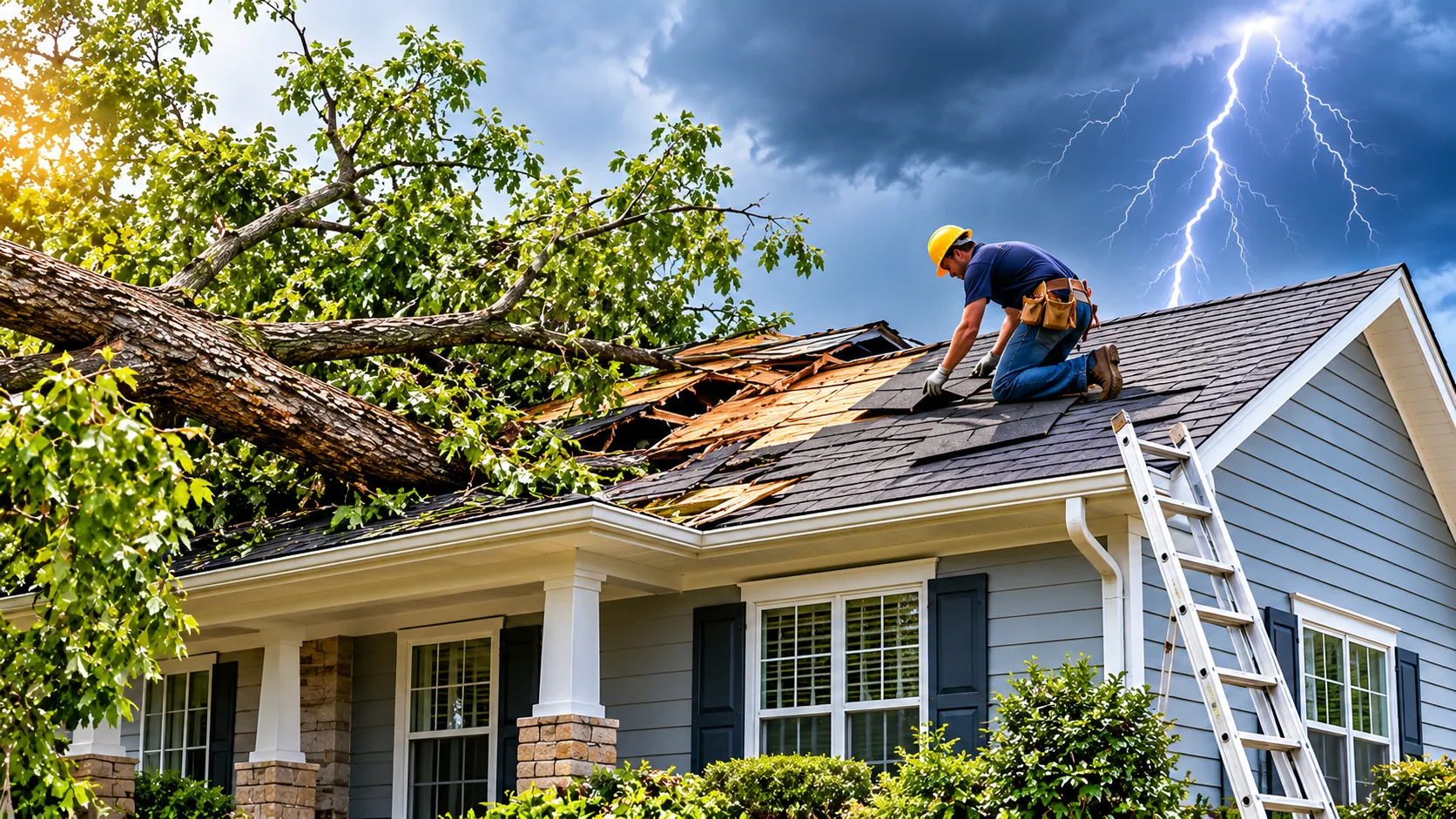
After a severe storm, homeowners often look for obvious damage such as missing roof shingles, broken windows, fallen branches, or damaged gutters. However, some of the more serious problems may be less visible. Strong winds, heavy rainfall, saturated soil, and falling trees can affect the structural components that help keep a house stable.
For homeowners in Mobile and other Gulf Coast communities, understanding these warning signs is particularly important. Repeated storms, high humidity, and heavy seasonal rainfall can create conditions that make existing weaknesses worse.
If you are concerned about foundation and structural repairs in Alabama, knowing what to look for after a storm can help you recognize potential problems before they become more extensive. Here are seven signs that storm damage may have affected your home's structure.
1. New Cracks in Walls and Ceilings
Small cracks can develop naturally as a house settles over time. However, cracks that appear or noticeably change after a severe storm deserve attention.
Heavy rainfall can saturate the soil around a foundation, while erosion or changes in ground conditions may affect how the building is supported. Strong winds and falling debris can also place stress on parts of the structure.
Look for:
- New diagonal cracks around doors and windows
- Cracks extending across walls or ceilings
- Gaps appearing where walls meet ceilings
- Cracks that become wider or longer over time
A crack does not automatically indicate structural failure. Its location, size, pattern, and changes over time help determine whether further assessment is necessary.
2. Doors and Windows Suddenly Stop Closing Properly
If doors or windows that previously worked normally become difficult to open or close after a storm, it may be worth investigating.
Changes in the alignment of a frame can sometimes occur when parts of a building shift. Foundation movement, damaged framing, or pressure on exterior walls may contribute to the problem.
Check whether doors stick, windows no longer fit evenly, or visible gaps have appeared around frames. Also look for cracks near the corners of openings.
Weather-related swelling can also affect wooden doors and frames, particularly in humid conditions. Therefore, one sticking door is not enough to establish structural damage. Look for several signs occurring together.
3. Uneven or Sloping Floors
Floors can provide useful clues about the condition of a home's supporting structure. After a storm, pay attention to areas that feel uneven, noticeably slope, or seem different from how they felt before.
Possible causes include:
- Damaged or weakened floor joists
- Moisture affecting wooden support components
- Movement in the foundation
- Deterioration in crawl-space supports
- Soil movement beneath the property
In some homes, water entering a crawl space can affect wooden framing or supporting materials. If floors become noticeably uneven or start to feel unstable, a closer inspection may be needed.
Avoid assuming that every sloping floor is caused by a storm. Older properties may already have settlement or construction-related irregularities.
4. Signs of Foundation Movement Around the House
Heavy rainfall can affect the soil surrounding a foundation. When soil becomes saturated, drainage problems, erosion, and changing ground conditions may contribute to movement around the property.
After a storm, inspect accessible areas around the foundation for new or worsening cracks, displaced soil, exposed sections, or areas where water collects.
Other warning signs may include:
- Gaps between exterior walls and nearby structures
- Separation around steps or porches
- Cracks in exterior masonry
- Noticeable changes in floor levels
- Water entering foundation or crawl-space areas
For homeowners considering foundation and structural repairs in Alabama, identifying drainage problems is an important part of understanding the condition of the property. Water should generally drain away from the house rather than collect against its foundation.
5. Damaged Roof Framing or Ceiling Supports
A roof can experience significant stress during a severe storm. Strong winds, falling branches, and water entering through damaged roofing materials may affect more than the exterior covering.
Look for signs inside the attic or upper rooms, if these areas can be accessed safely. Warning signs may include sagging ceiling sections, unusual roofline changes visible from the ground, damaged rafters, or water stains around structural components.
A roof leak does not necessarily mean the framing has been damaged. However, prolonged moisture exposure can weaken wooden materials and contribute to deterioration.
If the roof appears to sag or parts of the ceiling are visibly unstable, keep people away from the affected area and arrange a professional assessment.
6. Water Damage Around Structural Wood Components
Water intrusion is another concern after storms, particularly in areas that experience heavy rainfall and wind-driven rain.
Water may enter through roof openings, damaged siding, windows, doors, or poorly sealed exterior joints. If moisture reaches wooden framing, floor supports, or other structural components, deterioration may develop over time.
Watch for:
- Soft or discolored wooden surfaces
- Musty odors near walls or floors
- Peeling paint around damp areas
- Swollen or weakened flooring
- Visible wood rot
- Signs of termite activity around damaged wood
In Mobile's humid climate, damp materials may take longer to dry. It is important to identify the source of moisture and assess affected materials before covering them with new finishes.
7. Damage Caused by Fallen Trees or Heavy Debris
A fallen tree can damage more than the part of the house it directly strikes. The impact may affect roof framing, exterior walls, support structures, porches, or attached sections of the property.
Even when the visible damage appears limited, homeowners should check for related warning signs such as new wall cracks, displaced framing, sagging sections, and doors or windows that no longer align properly.
Do not attempt to remove large fallen trees or unstable branches resting against a building without appropriate assistance. The damaged structure may be under pressure, and moving the debris could create additional hazards.
What Should Homeowners Do If They Notice These Signs?
The first priority after a severe storm should always be safety. Stay away from visibly unstable walls, sagging ceilings, damaged roof sections, exposed wiring, and areas where structural movement is suspected.
Once the property is safe to approach, document visible damage with photographs and note when each problem appeared. Avoid making cosmetic repairs before the underlying cause has been understood.
A qualified professional can assess the affected areas and determine whether the problem involves roofing, framing, foundation movement, moisture damage, or another issue. Depending on the findings, a structural engineer or other specialist may also be needed.
For storm damage repairs in Mobile AL, the important first step is understanding the full extent of the damage rather than addressing only what is visible.
Final Thoughts
Storm damage does not always stop at the roof or exterior of a house. Heavy rainfall, strong winds, falling trees, and prolonged moisture exposure can affect foundations, framing, floors, and other structural components.
New cracks, uneven floors, sticking doors, water-damaged wood, and changes around the foundation are all signs worth investigating. While these symptoms do not automatically confirm structural damage, noticing them early can help homeowners arrange the right assessment and make informed repair decisions.