
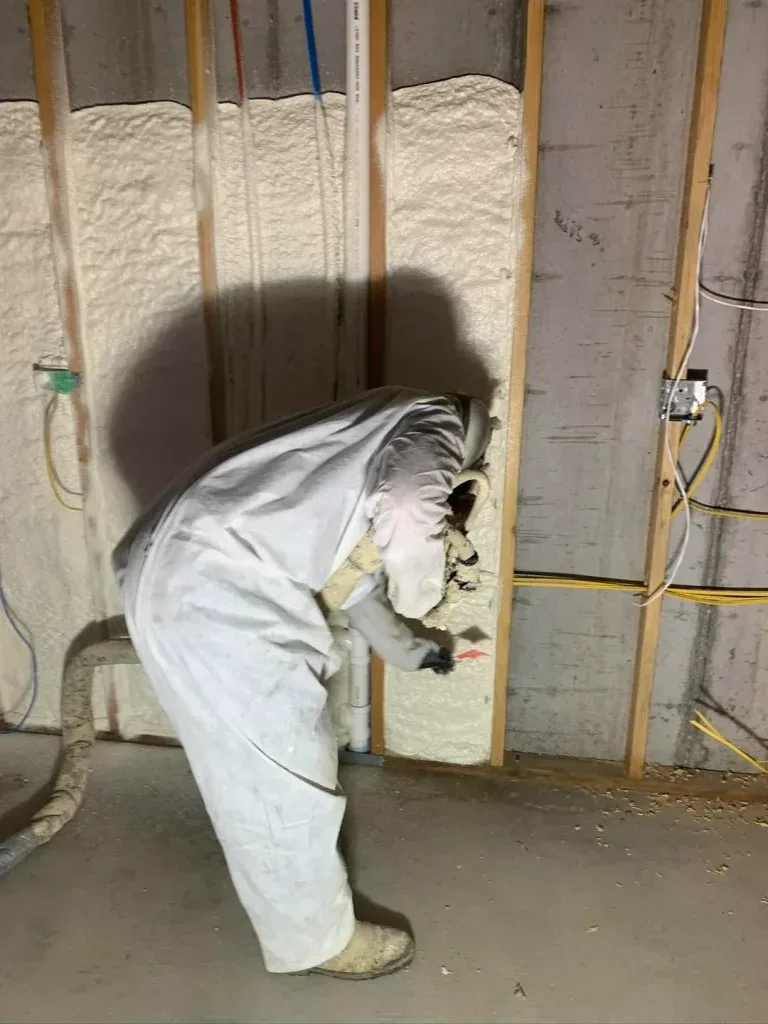
Professional commercial air sealing stops warm indoor air from leaking out of building envelopes while blocking freezing mountain drafts from entering. By creating a continuous thermal barrier, commercial properties in Jackson reduce monthly heating loads and cut energy expenditure by up to 30 percent.
Local commercial structures face severe sub-zero temperatures and high wind conditions throughout winter. Systematic building envelope tightening stops air infiltration, preserves expensive heated air, and decreases strain on mechanical systems.
Building performance testing demonstrates that targeted envelope upgrades offer fast payback periods for commercial facility managers. Here is a clear breakdown of how proactive envelope management reduces operating costs and protects building integrity in mountain climates.
Why Do Commercial Structures in Jackson Lose So Much Heat?
Jackson sits in a cold mountain valley where severe winters demand continuous heating. Large commercial facilities experience heavy pressure differences created by temperature gaps between indoor spaces and outdoor air.
Warm air naturally rises to upper levels and escapes through structural gaps, pulling freezing air in through bottom doors and ground-level walls. This cycle forces heating equipment to run constantly to maintain stable indoor conditions.
Market data shows that unsealed commercial facilities can lose significant thermal energy through unmanaged envelope gaps.
Comprehensive commercial air sealing addresses critical leakage areas that standard insulation cannot fix alone. Preventing draft creation requires blocking paths where structural materials connect. Professional Insulation Services in Jackson, WY can combine proper insulation with effective air sealing to reduce unwanted heat transfer and help maintain more consistent indoor temperatures throughout commercial spaces.
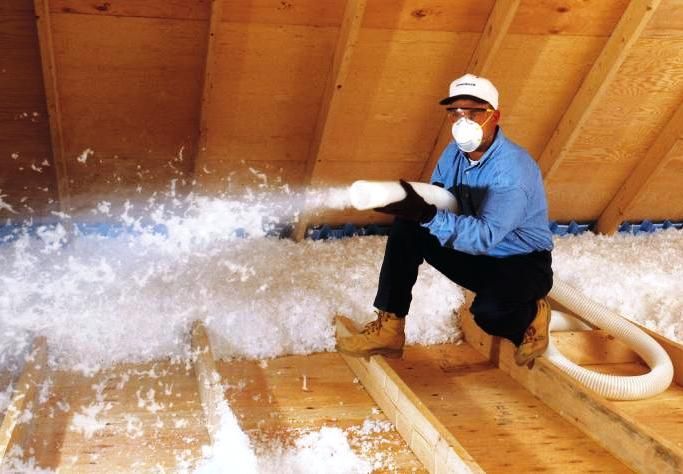
Common leakage points in commercial structures include:
- Roof parapet connections and expansion joints
- Loading dock doors and service entrance frames
- Roof-mounted mechanical penetrations and exhaust ducts
- Exterior wall utility penetrations and window curtain assemblies
Core Financial and Operational Advantages for Local Properties
Investing in structural airtightness produces direct financial returns through reduced monthly utility bills. Applying specialized energy remedies offers significant commercial air sealing benefits for property owners managing high winter heating demands.
Lowering air leakage stops cold drafts, allowing interior spaces to maintain stable temperatures without continuous heating spikes. This balanced environment improves occupant comfort while protecting inventory and sensitive mechanical equipment.
Targeted sealant treatments also reduce moisture migration into exterior walls, preventing structural decay and concealed mold growth behind wall assemblies.
Facility Performance MetricUnsealed Commercial PropertyProfessionally Sealed Commercial PropertyHeating Energy LossUp to 40% loss through envelope gapsReduced by 15% to 25% overallInterior Temperature VarianceHigh fluctuations near exterior wallsConsistent thermal zones throughoutHVAC Duty CycleContinuous heavy cycling during winterReduced runtime and balanced operationsMoisture Risk LevelHigh condensation risk in wall cavitiesLow condensation risk with proper vapor control
Direct operational gains for commercial properties include:
- Extended operating lifespan for commercial boilers and furnaces
- Decreased emergency repair costs for overloaded heating units
- Better interior humidity control during freezing dry months
- Reduced winter heating expenses across large square footage
Bonus Tip: Schedule a professional thermal imaging audit during mid-winter to capture maximum indoor-to-outdoor temperature variances for clear leakage identification.
Key Steps in Professional Sealant Application and Building Upgrades
Commercial projects require detailed site evaluations to isolate air leakage points across complex wall systems. Technicians use large-scale blower door equipment to depressurize structures and measure exact leakage rates.
Crews select durable material solutions designed to flex with structural expansion during seasonal temperature shifts. Implementing systematic commercial air sealing construction standards ensures long-term tightness across distinct exterior materials.
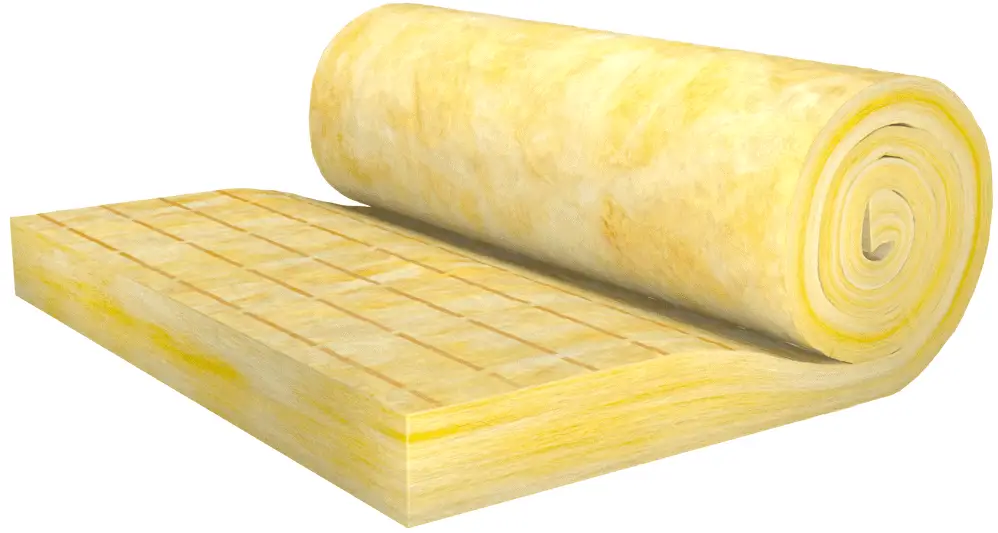
Professional installation teams apply closed-cell spray foam, elastomeric membranes, and specialized gaskets to close gap networks. They focus on major air pathways that standard insulation material cannot seal on its own
Applying professional commercial air sealing fixes structural gaps before installing permanent interior wall coverings or drop ceilings.
Standard application procedures include:
- Depressurizing the facility with commercial blower door equipment
- Identifying concealed leaks with smoke pencil generators
- Sealing floor-to-wall interfaces with expandable polyurethane foams
- Installing heavy-duty weather stripping around industrial entryways
- Applying liquid-applied air barriers behind exterior facade panels
Long Term Performance Impact on Energy Bills
Air movement carries warmth out of facilities much faster than simple heat conduction through solid materials. Stopping uncontrolled air passage stabilizes thermal barriers and preserves indoor warmth.
Market research indicates air leakage accounts for roughly 15 to 25 percent of building heating load variations in high-altitude zones. Eliminating these air leaks directly stabilizes seasonal utility budgeting.
Property managers who recognize commercial building air sealing benefits combine continuous insulation upgrades with expert air barrier treatments for optimal energy management.
Key operational improvements include:
- Predictable monthly utility budgeting during peak winter periods
- Fast return on investment through immediate energy reductions
- Compliance with updated state and local commercial energy codes
- Enhanced indoor air quality from reduced outdoor dust infiltration
Bonus Tip: Combine ductwork sealing with exterior wall sealing to prevent warm air losses within unconditioned ceiling spaces and equipment chases.
Key Factors to Evaluate Before Hiring an Air Sealing Contractor
Choosing the right envelope specialist requires checking experience with commercial mountain construction. Large facilities need qualified contractors who understand structural movement, high altitude weather, and regional code mandates.
Facility managers should review pre-project assessment plans before signing work orders. A thorough evaluation helps pinpoint major airflow paths without disrupting daily business operations.
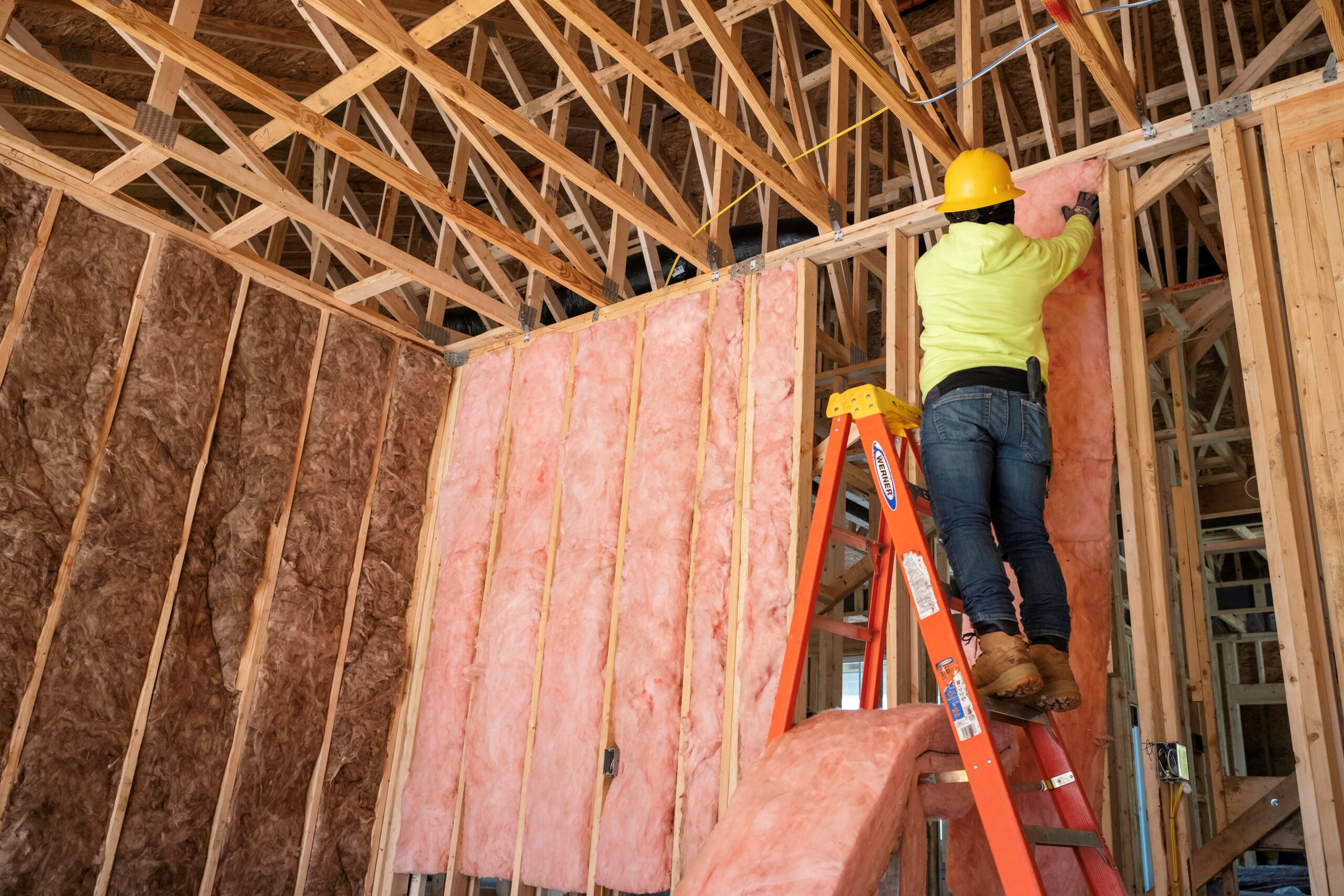
Investing in commercial air sealing creates lasting value when executed by trained technicians using commercial-grade sealant systems.
Consider these factors before selecting a contractor:
- Verified experience handling large-scale commercial building envelopes
- Availability of diagnostic equipment like commercial blower door systems
- Knowledge of local mountain climate challenges and thermal expansion
- Material selection designed for extreme temperature differentials
- Clear performance guarantees supported by post-project diagnostic testing
Bonus Tip: Request pre-testing and post-testing performance numbers to verify exact air leakage reductions before paying final project invoices.
Final Advice for Property Owners Managing Energy Expenses
Addressing building envelope gaps stands as a practical path toward reducing commercial energy waste in Jackson. Stopping structural leaks reduces utility expenses while protecting interior building materials from seasonal stress.
Review facility performance metrics, examine current heating costs, and assess interior draft complaints from occupants. Combining insulation improvements with complete envelope sealing delivers maximum long-term efficiency for commercial properties.
Key summary actions for property owners:
- Schedule thermal diagnostic scans to find hidden envelope gaps
- Prioritize sealing roof-to-wall joints and primary service entrances
- Review winter utility bills to calculate payback timelines on envelope sealing
- Hire qualified technicians equipped for commercial building diagnostics
Partner with Regional Specialists for High Efficiency Building Upgrades
Improving commercial building performance requires deep technical knowledge and local climate experience. Property managers in Wyoming can request comprehensive building assessments and a free quote from High Country Solutions. Their team delivers tailored insulation and air sealing services designed for severe mountain weather. Contact their staff directly by calling (307) 248-9063 or emailing admin@highcountrysol.com.
Frequently Asked Questions About Commercial Energy Efficiency
How long does professional air sealing take on a commercial property?
Project timelines depend on square footage and structural accessibility. Most commercial projects finish within two to five business days without disrupting normal business operations.
Can air sealing be performed during cold winter months?
Technicians apply specialized interior sealants and spray foams effectively during winter months. Diagnostic blower door testing also works well in cold weather due to temperature differences.
Does sealing a commercial building affect indoor ventilation?
Sealing prevents uncontrolled leaks while mechanical ventilation systems manage fresh air circulation. Proper air sealing allows mechanical systems to control indoor air quality efficiently.
What areas in a commercial building leak the most warm air?
Roof parapets, top-floor ceiling plenums, exterior wall penetrations, and loading bay doors account for the largest volume of escaped heat in commercial structures.
How soon will energy savings show on monthly utility bills?
Energy savings appear on the immediate billing cycle following project completion because heating equipment runtimes drop as soon as air leaks are closed.