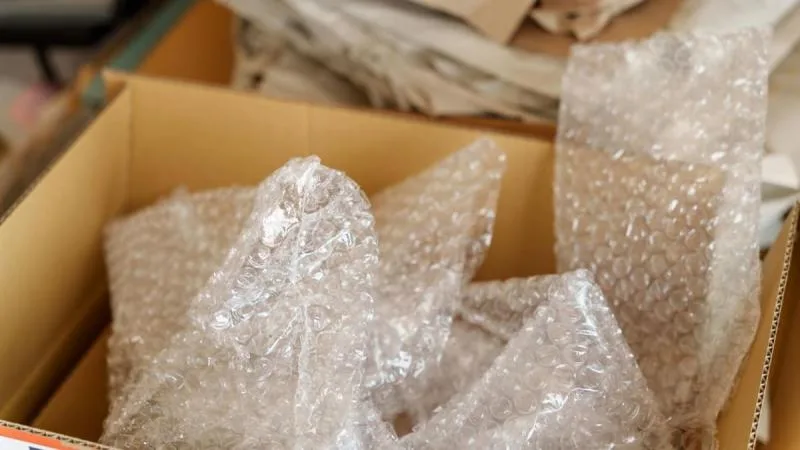
Every online order creates a packaging decision. While a box, mailer and protective filler may seem small individually, thousands of shipments can turn unnecessary packaging into a significant source of waste. For Australian e-commerce businesses, reducing this waste is an opportunity to improve efficiency while responding to growing expectations around sustainability.
The goal is not simply to use less packaging—it is to use the right packaging for each order. By reviewing package sizes, reducing unnecessary materials, choosing recyclable or compostable alternatives and improving packing processes, online retailers can reduce waste without compromising product protection. A thoughtful approach can also create a cleaner unboxing experience and strengthen a brand’s environmental credentials.
1. Start by Auditing Your E-commerce Packaging
The first step towards reducing packaging waste is understanding where it comes from. Review every component used to ship an order, including boxes, mailers, tape, tissue paper, labels, plastic sleeves and protective fillers.
Pay particular attention to packaging that is consistently larger than the products inside. An oversized box can require additional filler while taking up more space during transportation.
Create a simple packaging audit and record:
- The type and quantity of packaging used
- Average package sizes
- Protective materials used per order
- Packaging that customers are likely to discard immediately
- Opportunities to reuse or eliminate materials
For example, if a small product is regularly shipped in a large carton with excessive void fill, switching to a correctly sized mailer could reduce material consumption and make packing faster.
Businesses can also explore sustainable packaging solutions that are designed around common e-commerce shipping requirements.
2. Choose Right-Sized and Sustainable Packaging
Reducing packaging does not mean removing protection. Damaged products can result in returns, replacements and additional shipping, creating even more environmental and financial costs.
Instead, businesses should focus on right-sizing. Select boxes and mailers that provide enough room for protection without leaving excessive empty space.
Depending on the product, retailers may consider:
- Recycled cardboard mailers
- Kraft paper packaging
- Paper-based protective materials
- Reusable shipping bags
- Compostable or biodegradable alternatives where appropriate
Material selection should always reflect the product. Fragile electronics, cosmetics, clothing and books have very different packaging requirements.
It is also worth examining whether multiple packaging layers serve a genuine purpose. For example, replacing unnecessary plastic wrapping with a suitable paper-based alternative may reduce waste while maintaining presentation.
An experienced eco packaging supplier can help businesses compare materials, sizes and formats based on actual shipping needs rather than relying on generic packaging choices.
3. Build Waste Reduction Into Your Packing Process
Packaging improvements become more effective when they are incorporated into everyday fulfilment operations. Train warehouse and fulfilment teams to select the smallest suitable package and avoid adding protective material automatically when it is not required.
Businesses can also monitor packaging performance over time. Useful measures include packaging material used per order, average package size, damage rates and customer feedback.
Another opportunity is to consider the customer's experience after delivery. Packaging that can be easily recycled, reused or responsibly disposed of gives customers a clearer path for dealing with it.
Clear communication can help, too. A short message explaining whether packaging is recyclable, reusable or compostable can encourage customers to dispose of it correctly.
For growing e-commerce brands, packaging should be reviewed as the product range and order volumes change. What works for 100 orders a month may not be the most efficient solution at 10,000 orders.
Conclusion
Reducing packaging waste is a practical goal for Australian e-commerce businesses, but it requires more than simply switching materials. The biggest improvements often come from combining right-sized packaging, thoughtful material selection and better fulfilment processes.
Actionable takeaways:
- Audit every packaging component used in your orders.
- Reduce unnecessary layers and excessive void space.
- Choose packaging sizes based on actual product dimensions.
- Consider recycled, recyclable, compostable or reusable alternatives where suitable.
- Track packaging use and damage rates to measure improvement.
At Eco Packaging Experts, businesses can explore packaging options that balance product protection, presentation and more responsible material use. As e-commerce continues to grow, brands that treat packaging as part of their sustainability strategy can reduce waste while creating a more thoughtful customer experience.
The future of e-commerce packaging is not about packaging more—it is about packaging smarter.