
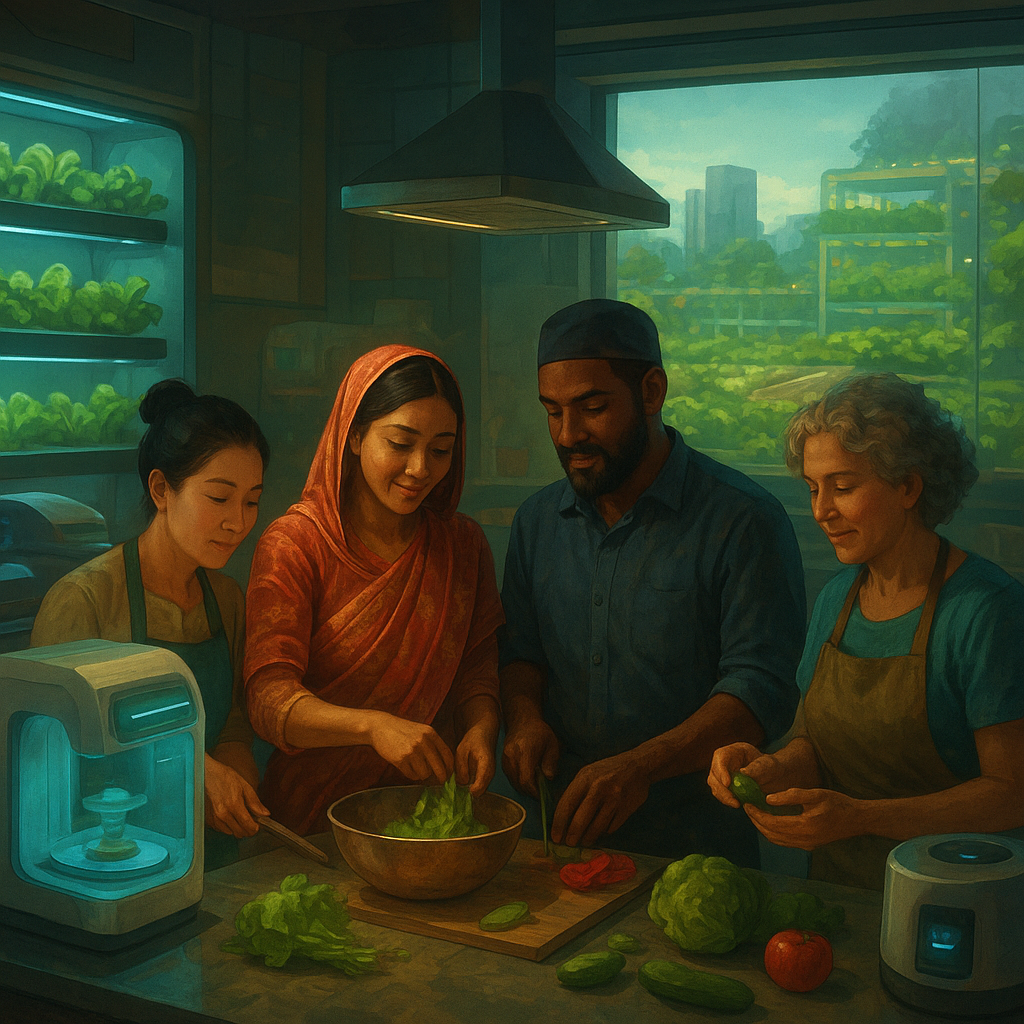
The Power of Food: More Than Just Nourishment
In the bustling markets of Marrakech, the aroma of spices mingling with fresh herbs tells a story centuries in the making. Across Tokyo’s neon-lit streets, intricate sushi artistry reflects a cultural dedication to precision and respect for ingredients. Food, often dismissed as mere sustenance, is in reality a profound expression of identity, innovation, and a reflection of global challenges and aspirations. Today, as we stand in 2026, food is not only about feeding billions but about connecting cultures, driving technological breakthroughs, and addressing some of the most pressing sustainability issues of our time.
This article explores the multifaceted roles food plays in our lives, from its deep-rooted cultural significance to the transformative innovations reshaping culinary landscapes. We’ll delve into the current trends shaping food systems, the critical challenges they face, and what the future holds for how we produce, consume, and think about food.
“Food culture is an intricate tapestry woven from history, environment, and innovation — understanding it is key to addressing global challenges.” — Dr. Lena Moriyama, Food Anthropologist
Tracing the Journey: How Food Culture Has Evolved
Food culture is the culmination of millennia of human adaptation, migration, and creativity. Early hunter-gatherer societies relied on seasonal harvests and available fauna, setting the foundation for the agricultural revolution roughly 12,000 years ago. This pivotal shift enabled settled communities, crop domestication, and food surplus, catalyzing civilizations.
Over the centuries, trade routes like the Silk Road and the Columbian Exchange dramatically expanded the global palate, introducing spices, grains, fruits, and livestock across continents. This exchange was not only culinary but also cultural, deeply influencing societal norms and economies.
Fast forward to the 20th century, industrialization and globalization transformed food production and distribution, making diverse foods accessible worldwide. Yet, this convenience came with costs: monoculture farming, overreliance on processed foods, and environmental degradation.
Today, the pendulum swings back toward valuing local, sustainable practices and culturally rich food experiences. As outlined in our article Why Food Culture Is More Than What’s on Your Plate, food encapsulates identity, community, and resilience, especially in a globalized era where cultural preservation is vital.
“Understanding food culture is vital to preserving heritage and fostering innovation that respects tradition.” — Chef Anaïs Dupont, Culinary Historian
Data-Driven Insights: Food’s Role in Global Systems
In 2026, food systems are under unprecedented scrutiny. According to the United Nations Food and Agriculture Organization (FAO), food production accounts for roughly 30% of global greenhouse gas emissions. Meanwhile, the World Health Organization reports that diet-related diseases remain the leading cause of mortality worldwide.
Data reveals stark inequalities in food access, with nearly 800 million people still facing hunger. Conversely, food waste amounts to approximately 1.3 billion tons annually, representing about one-third of all food produced globally.
Analyzing food consumption and production through a data lens exposes several critical trends:
- Plant-based diets have surged, with global sales of meat alternatives growing by 25% annually since 2023.
- Precision agriculture technologies—drones, AI-driven crop monitoring, and gene editing—are boosting yields while reducing resource use.
- Supply chain transparency is improving, with blockchain applications enhancing traceability and reducing fraud.
- Urban farming has expanded dramatically, with vertical farms increasing production capacity in dense cities.
These trends reflect a sweeping redefinition of how food is produced and consumed, aligning with broader sustainability goals and health imperatives.
For further understanding of these innovations, see our detailed coverage on How Food Innovation and Sustainability Are Shaping 2026’s Culinary Scene.
2026 Developments: Innovations and Challenges in Food Systems
The past three years have seen transformative developments in food technology and policy. Lab-grown meat production has scaled from experimental labs to commercial availability in over 20 countries, with companies like Cellular Harvest and NovaFoods leading the way. This shift significantly reduces land and water use, offering a promising alternative to traditional animal agriculture.
Simultaneously, AI-powered personalized nutrition has emerged, enabling consumers to tailor diets based on genetics, microbiomes, and lifestyle. HealthTech pioneers such as NutriGenie and BioPlates have harnessed big data to optimize wellbeing through food.
However, these advances coexist with persistent challenges. Climate change continues to disrupt crop yields, with droughts and floods increasing in frequency and severity. According to the International Panel on Climate Change (IPCC), global food insecurity risk has risen by 15% since 2020, disproportionately impacting vulnerable populations.
Governments worldwide are responding with new policies emphasizing food sovereignty, sustainability, and resilience. The European Union’s Farm to Fork strategy was updated in 2025 to mandate stricter carbon footprint labeling and incentivize regenerative agriculture practices.
Meanwhile, consumer awareness has reached new heights, with more conscious choices driving demand for transparency and ethical sourcing. This cultural shift is critical for long-term change, as consumer behavior directly influences supply chain decisions.
Expert Perspectives: Industry Leaders on Food’s Future
Industry leaders and experts underscore the dual imperative of innovation and cultural respect. Dr. Marco Valenti, CEO of AgroTech Solutions, emphasizes that “technology alone cannot solve food system issues without integrating local knowledge and sustainable practices.”
Culinary visionary Chef Maya Ortiz highlights that “celebrating food culture connects us to our roots and inspires sustainable creativity. It’s not about rejecting modernity but blending it with tradition.”
From the policy angle, Maria Chen, a global food security analyst, notes that “multi-stakeholder collaboration—governments, private sector, civil society—is essential. Food systems are complex, and no single actor can address the challenges effectively alone.”
The convergence of these views suggests that food’s future rests on a balanced approach, blending cutting-edge science with cultural wisdom and systemic cooperation.
Looking Ahead: What to Watch in Food’s Evolution
As we progress through 2026 and beyond, several developments demand attention:
- Scaling regenerative agriculture: The movement to rebuild soil health and biodiversity while capturing carbon is gaining momentum, with pilot projects demonstrating promising results.
- Integration of AI and biotechnology: Advances in gene editing and AI-driven farming promise to increase resilience but require ethical frameworks to guide application.
- Food equity initiatives: Addressing disparities in access, affordability, and nutrition quality remains critical for global health and stability.
- Consumer-driven transparency: Blockchain and IoT technologies will increasingly empower consumers to trace food origins and impact in real time.
- Urban food system transformation: Cities will continue to innovate with vertical farms, community gardens, and circular food waste models.
These trajectories illustrate an exciting yet complex future where food is central to solving global challenges. Stakeholders must maintain a holistic perspective, embracing innovation without losing sight of cultural and environmental stewardship.
For a deeper look into how emerging trends are reshaping food’s impact, our feature How Food Trends Are Reshaping Our Plates and Planet in 2026 offers detailed analysis.
Case Studies: Real-World Food Innovations Making a Difference
Several pioneering initiatives exemplify the transformative power of food innovation and culture:
- Vertical Harvest Farm, Jackson, Wyoming: This 30,000-square-foot vertical farm produces fresh vegetables year-round using 95% less water than traditional farms. It also provides employment for people with disabilities, demonstrating social impact alongside environmental benefits.
- Cellular Harvest’s Cultured Meat Facility, Singapore: As one of the first large-scale cultured meat producers, their facility supplies over 50 restaurants with lab-grown chicken and beef, reducing reliance on imports and lowering carbon emissions by an estimated 70% compared to conventional meat.
- Food Equity Network, Cape Town, South Africa: This grassroots organization runs community kitchens and urban gardens to combat food insecurity while preserving indigenous food traditions.
- NutriGenie Personalized Nutrition Platform, Berlin: Using AI and genetic data, NutriGenie creates individualized meal plans that have improved health outcomes for thousands of users, illustrating the potential of technology to enhance wellbeing through food.
These examples highlight how innovation, culture, and sustainability intersect to create resilient, inclusive food systems.
As we continue to explore food’s role in our lives, it becomes clear that understanding its complexity is essential. Our collective actions today will determine whether food becomes a vehicle for healing the planet and societies or a source of further crisis.
For more on food’s environmental and social impacts, see Unlocking Food’s True Impact: What Everyone Should Understand Today.