Long hours at a desk, repetitive movements, heavy lifting, and physically demanding tasks can gradually affect your muscles, joints, bones, and spine.
What begins as occasional back discomfort or shoulder stiffness can develop into persistent pain that interferes with everyday activities and work performance.
Work-related musculoskeletal problems are not limited to people in physically demanding occupations. Office employees, drivers, healthcare workers, construction professionals, and warehouse staff can all experience these conditions.
Consulting orthopedic doctors in Nairobi hospital settings can help identify the underlying cause of discomfort, assess the extent of musculoskeletal damage, and determine suitable treatment options.
What Are Work-Related Musculoskeletal Problems?
Work-related musculoskeletal problems affect the structures responsible for supporting movement, including muscles, tendons, ligaments, joints, nerves, and bones.
These conditions can develop gradually through repeated physical strain or occur suddenly following an accident or workplace injury.
Some common examples include:
- Lower back pain: Often associated with prolonged sitting, poor lifting techniques, or repetitive bending.
- Neck stiffness: Can develop from extended screen use and sustained awkward postures.
- Shoulder injuries: Repeated overhead movements or heavy lifting may strain shoulder muscles and tendons.
- Wrist and hand conditions: Repetitive typing, gripping, or tool use can contribute to tendon irritation and nerve compression.
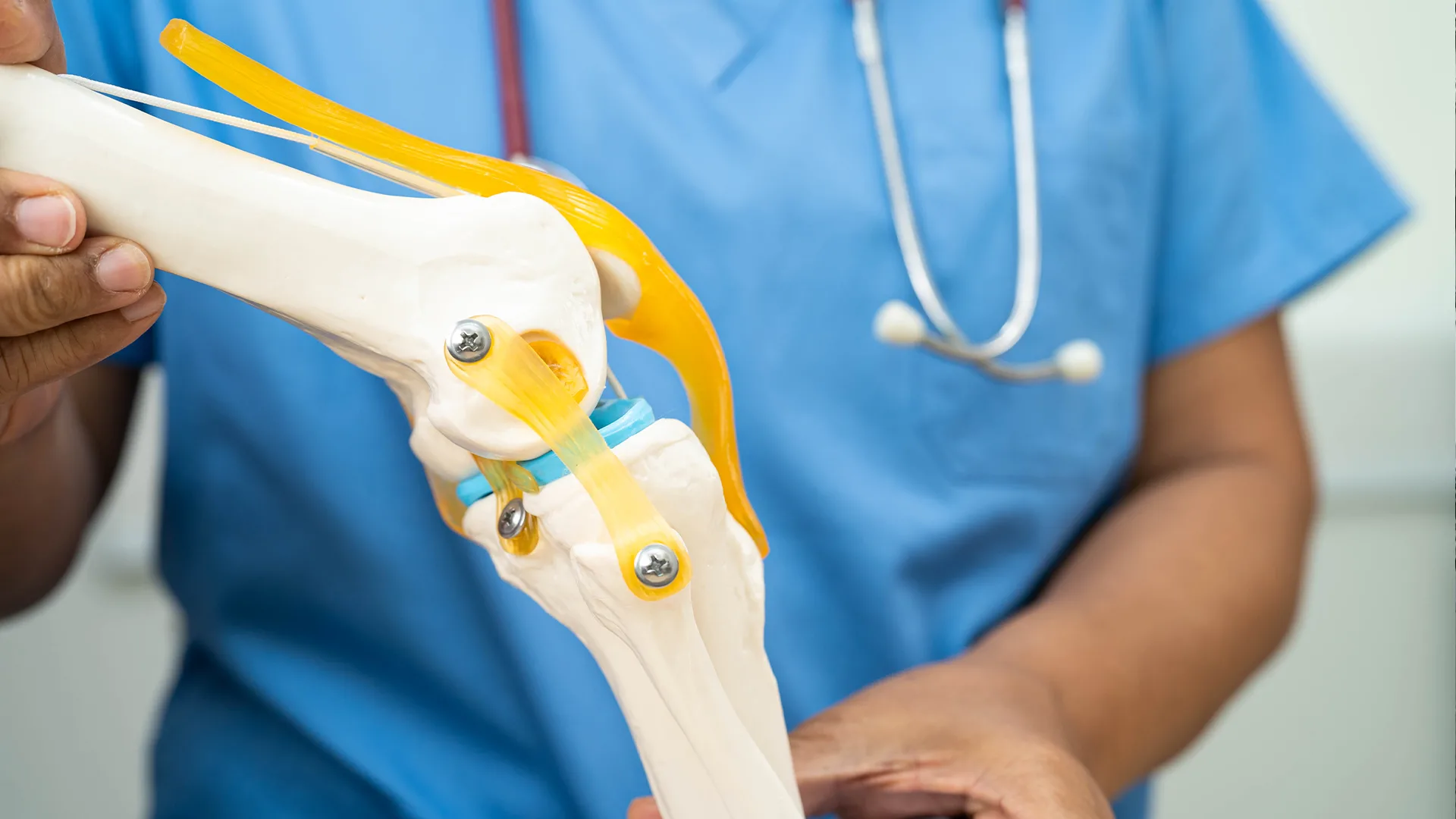
- Knee problems: Frequent kneeling, climbing, and prolonged standing may place additional stress on the knee joints.
Recognizing these symptoms early can help prevent minor problems from becoming more disruptive.

1. Identifying the Actual Cause of Workplace Pain
Treating discomfort without understanding its cause may provide only temporary relief. Orthopedic doctors assess how an injury or musculoskeletal condition affects the body's movement and supporting structures.
During an initial consultation, the specialist may ask about:
- The type of work you perform.
- How long you spend sitting, standing, or lifting.
- When the discomfort first appeared.
- Which movements make the symptoms worse.
- Whether you have experienced previous injuries.
A physical examination may follow to assess joint movement, muscle strength, posture, and areas of tenderness.
Depending on the findings, the doctor may recommend X-rays, MRI scans, or other investigations to understand the underlying problem.
This assessment helps distinguish between conditions caused by repetitive strain, acute injuries, degenerative changes, or other medical issues.
2. Managing Back and Neck Problems Linked to Desk Work
Office-based employees often spend several hours sitting in front of computers. Remaining in one position for extended periods can contribute to muscle stiffness, neck discomfort, and lower back pain.
Poor workstation arrangements may also encourage awkward postures that increase physical strain.
How can orthopedic treatment help?
Depending on the diagnosis, treatment may involve:
- Physiotherapy to improve flexibility and strengthen supporting muscles.
- Guidance on posture and workstation adjustments.
- Medication to manage pain or inflammation when appropriate.
- Activity modification to reduce repeated strain.
- Further specialist treatment when structural problems require additional attention.
For example, someone experiencing persistent lower back pain may need an assessment to determine whether the problem involves muscular strain, a spinal disc condition, or another underlying issue.
The treatment approach should address the diagnosed condition rather than simply focus on relieving discomfort.
3. Treating Repetitive Strain and Overuse Injuries
Jobs involving repeated hand movements, continuous gripping, or frequent lifting can place considerable stress on muscles and tendons.
Over time, these activities may contribute to conditions such as tendinitis, tennis elbow, and carpal tunnel syndrome.
An experienced orthopedic doctors in Nairobi hospital can assess the affected area and recommend suitable management.
Treatment may include:
Rest and activity modification: Temporarily reducing repetitive movements can help irritated tissues recover.
Physiotherapy: Targeted exercises may improve strength, flexibility, and movement control.
Supportive devices: Braces or splints may help reduce strain in selected conditions.
Medication: Anti-inflammatory medication may be recommended when clinically appropriate.
Surgical assessment: Some persistent or severe conditions may require surgical intervention if conservative treatment does not provide sufficient improvement.
Early assessment can help patients understand which activities need modification and how to avoid aggravating the injury.
4. Addressing Workplace Injuries Involving Bones and Joints
Not all work-related musculoskeletal conditions develop gradually. Falls, machinery accidents, lifting injuries, and sudden impacts can cause fractures, ligament damage, or joint dislocations.
These injuries may require immediate medical assessment.
Orthopedic doctors help evaluate the extent of the damage and determine whether the patient needs immobilization, medication, rehabilitation, or surgery.
For example:
- Fractures may require casting, bracing, or surgical fixation.
- Ligament injuries may need structured rehabilitation or surgical repair.
- Joint dislocations require appropriate medical reduction and follow-up care.
- Severe soft tissue injuries may need specialist assessment and ongoing rehabilitation.
The treatment plan depends on the injured structure, severity of damage, and the patient's overall health.
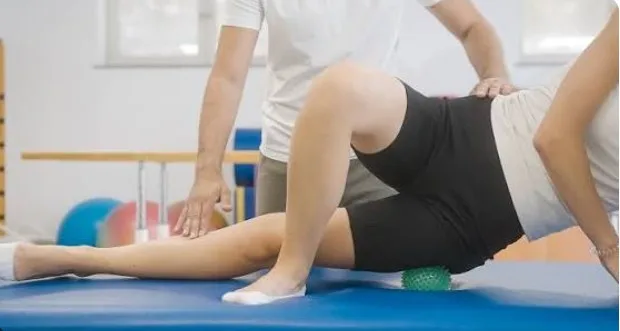
5. Using Physiotherapy to Restore Strength and Mobility
Treating the initial injury is only one part of recovery. Patients also need to regain the strength and movement required to perform everyday tasks safely.
Physiotherapy plays an important role in many orthopedic treatment plans.
A rehabilitation programme may focus on:
- Improving joint flexibility and range of motion.
- Strengthening muscles that support affected joints.
- Restoring balance and coordination.
- Improving posture and movement patterns.
- Gradually rebuilding tolerance for work-related activities.
Exercises should match the patient's condition and recovery stage. Returning to physically demanding tasks too quickly may aggravate an injury or delay recovery.
6. When Should You Consult an Orthopedic Specialist?
Occasional muscle soreness after physical activity does not always indicate a serious condition. However, persistent or worsening symptoms deserve medical attention.
Consider arranging an assessment if you experience:
- Back or neck pain that repeatedly interferes with work.
- Joint swelling or restricted movement.
- Tingling, numbness, or weakness in your arms or legs.
- Recurrent shoulder, wrist, or knee discomfort.
- Pain that continues despite rest and basic self-care.
- Difficulty lifting, walking, bending, or performing routine activities.
Sudden severe pain, suspected fractures, significant deformity, or new weakness and numbness require prompt medical assessment.
7. Preventing Musculoskeletal Problems in the Workplace
Medical treatment can address existing injuries, but prevention is equally important for reducing future strain.
Both employees and employers can take practical steps to create safer working conditions.
| Workplace habit | Potential benefit |
| Adjusting desk and chair height | Supports a more comfortable sitting posture |
| Taking regular movement breaks | Reduces prolonged static positioning |
| Using proper lifting techniques | Limits unnecessary strain on the back |
| Keeping frequently used items within reach | Reduces repeated awkward movements |
| Following ergonomic guidelines | Improves workstation comfort |
| Maintaining regular physical activity | Supports muscle strength and joint mobility |
These adjustments may seem simple, but consistent workplace habits can make a meaningful difference to musculoskeletal health.
Get the Right Support for Work-Related Musculoskeletal Conditions
Work-related pain should not become something you simply learn to tolerate. Persistent discomfort, restricted movement, and recurring injuries can affect both professional responsibilities and quality of life.
Understanding the cause early allows patients to explore appropriate treatment and rehabilitation before symptoms become more difficult to manage.
At Spine Clinic Africa, patients can explore specialist assessment and treatment options for spinal and musculoskeletal conditions. Whether your discomfort involves the back, neck, shoulders, or other joints, a proper evaluation can help identify the underlying concern and guide the next steps.
If workplace pain is affecting your movement or daily routine, contact Spine Clinic Africa to discuss your concerns and arrange an appropriate consultation with orthopedic doctors in Nairobi Hospital.
Taking action early can help you work towards better mobility, improved function, and a more comfortable daily life.