A flow meter that performs perfectly in one facility can deliver consistently wrong readings in another, using the exact same model, simply because the fluid, the pipe layout, or the installation conditions differ. Most buyers searching for flow meter suppliers in UAE start the conversation with a budget and a pipe size, when the more useful starting point is actually the fluid itself and how it's going to be measured.
The Question That Comes Before Price: What's Actually Flowing Through the Pipe
The Conductivity Test Most Buyers Skip
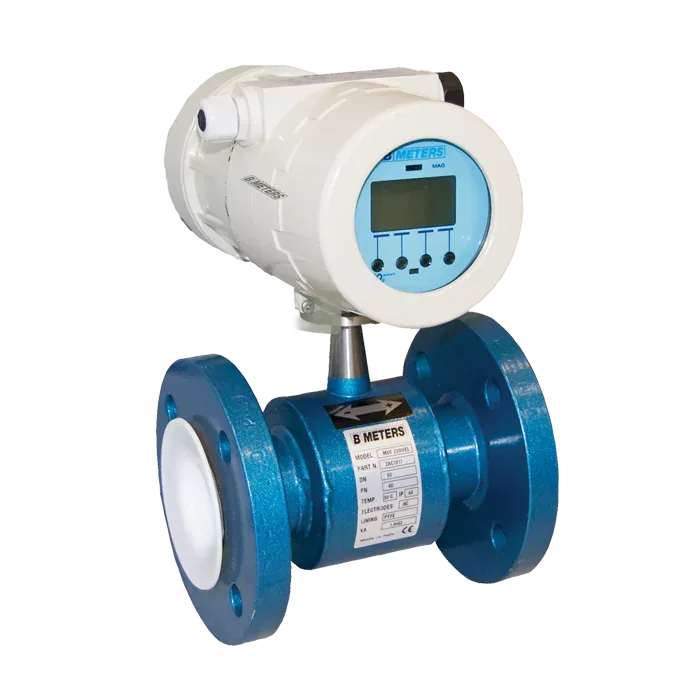
Electromagnetic flow meters, often called mag meters, offer excellent accuracy with no moving parts to wear out, but they only work on fluids that are electrically conductive. Standard water based fluids generally qualify, but low conductivity fluids, including some treated or demineralized water, can fall below the threshold these meters need to function reliably. A buyer choosing a mag meter purely because a colleague recommended it elsewhere, without confirming their own fluid's conductivity, risks installing a meter that simply can't do the job regardless of how well it's specified on paper.
Clean Water vs Dirty, Abrasive, or Scaling Fluids
Fluid cleanliness matters just as much as conductivity. Water carrying suspended solids, sediment, or scaling minerals will accelerate wear on any meter with moving parts, and it can also foul the electrodes inside an electromagnetic meter over time, gradually degrading accuracy until a cleaning or replacement cycle becomes necessary. Ultrasonic meters, which have no wetted electrical components in clamp on configurations, sidestep this particular problem, though they introduce a different sensitivity discussed further below.
Three Meter Types, Three Different Trade offs
Mechanical Meters: Affordable, But Wearing Parts
Mechanical, or turbine style, water meters remain the most affordable option and are available across the widest range of sizes, which is why they're still common in many standard water measurement applications. Their moving parts, a rotor spinning in response to flow, are also their central limitation: these components wear over time, are prone to jamming in dirty water, and generally require more frequent maintenance than the no moving parts alternatives discussed below.
Electromagnetic Meters: No Moving Parts, One Real Requirement
Electromagnetic meters trade the mechanical wear problem for excellent accuracy, often in the range of a fraction of a percent, and a wide operating range that handles both very low and very high flow rates well. Their one non negotiable requirement is fluid conductivity, discussed above, and their higher upfront cost compared to a mechanical meter is a genuine trade off worth weighing against how much maintenance downtime a mechanical alternative would realistically create in your specific application.
Ultrasonic Meters: Installation Flexibility, With a Catch
Ultrasonic meters measure flow by tracking how sound waves travel through the moving fluid, and they offer a genuine installation advantage: clamp on versions can be fitted to the outside of an existing pipe without cutting into it or shutting down the line, which matters enormously for a facility that can't easily schedule downtime. The trade off is sensitivity to flow disturbance. Turbulence, bubbles, or an irregular flow pattern near the measurement point can meaningfully affect ultrasonic accuracy, which is precisely why the installation requirement covered next matters so much for this meter type specifically.
The Installation Mistake That Ruins Accuracy Regardless of Meter Quality
Most flow meters, ultrasonic and electromagnetic types included, need a stretch of straight, uninterrupted pipe both before and after the meter, commonly five to ten pipe diameters in each direction, to let turbulent flow settle into a stable, measurable pattern. A meter installed immediately after a bend, a valve, or a pump, without this straight run, can produce consistently inaccurate readings even though the meter itself is functioning exactly as designed. This is one of the most common, and most avoidable, reasons a newly installed flow meter underperforms, and it's worth confirming your installation layout can actually accommodate this requirement before finalizing which meter and mounting position you commit to.
Why Total Cost of Ownership Beats Sticker Price
Comparing flow meters purely on purchase price misses a significant part of the real cost picture. A mechanical meter's lower upfront price needs to be weighed against the wear part replacement, more frequent calibration checks, and potential downtime that come with a component sensitive to mechanical wear. An electromagnetic or ultrasonic meter's higher initial cost is often offset over its working life by lower maintenance demands and a longer service interval, particularly in applications running continuously rather than intermittently. Asking a supplier to walk through expected maintenance frequency and calibration intervals for a specific model, not just its purchase price, gives a considerably more accurate picture of what a meter will actually cost you over several years of operation.
When You Can't Shut Down the Line: Retrofit and Clamp On Options
For facilities where shutting down a pipeline to install a meter simply isn't practical, insertion type and clamp on meters offer a genuine solution, fitted onto or into an existing line without the extended downtime a traditional inline meter installation would require. This flexibility comes with its own considerations: clamp on ultrasonic units still need that straight pipe run discussed above, and insertion type meters, while easier to install than a full inline replacement, still require careful positioning to get an accurate reading. Discussing your specific downtime constraints directly with a supplier before selecting a meter type helps avoid choosing a technically capable meter that's genuinely impractical to install given your actual operational limitations.
Why Choose Ali Yaqoob Trading
Ali Yaqoob Trading has supplied flow measurement equipment across the UAE's industrial, commercial, and utility sectors since 1986, and our recommendations start with your specific fluid properties and installation constraints rather than a default meter type applied regardless of application. As an ISO 9001 certified distributor of established flow meter manufacturers, our technical team confirms conductivity, cleanliness, and pipe layout requirements upfront, helping avoid the mismatch between meter type and application that causes so many accuracy complaints after installation. We discuss total cost of ownership directly, including expected maintenance intervals and calibration needs, so a purchasing decision reflects the meter's full working life rather than its price tag alone. Where downtime constraints rule out a traditional inline installation, we help identify clamp on or insertion type alternatives suited to your specific operational limitations.
Frequently Asked Questions
Can I use an electromagnetic flow meter on any type of water? Generally yes for standard water based fluids, but very low conductivity fluids can fall below what these meters need to function accurately, so it's worth confirming your fluid's conductivity before choosing this meter type.
Why would I choose a more expensive meter with no moving parts? Meters without moving parts, like electromagnetic and ultrasonic types, typically need less maintenance and hold accuracy longer over time, which can offset their higher upfront cost in continuous or high value measurement applications.
Does pipe layout really affect flow meter accuracy that much? Yes. Installing a meter too close to a bend, valve, or pump without adequate straight pipe on either side is one of the most common causes of inaccurate readings, regardless of how good the meter itself is.
Can I install a flow meter without shutting down my pipeline? In many cases, yes, using clamp on or insertion type meters designed for installation on or into an existing line without a full shutdown, though these still have their own installation requirements worth confirming beforehand.