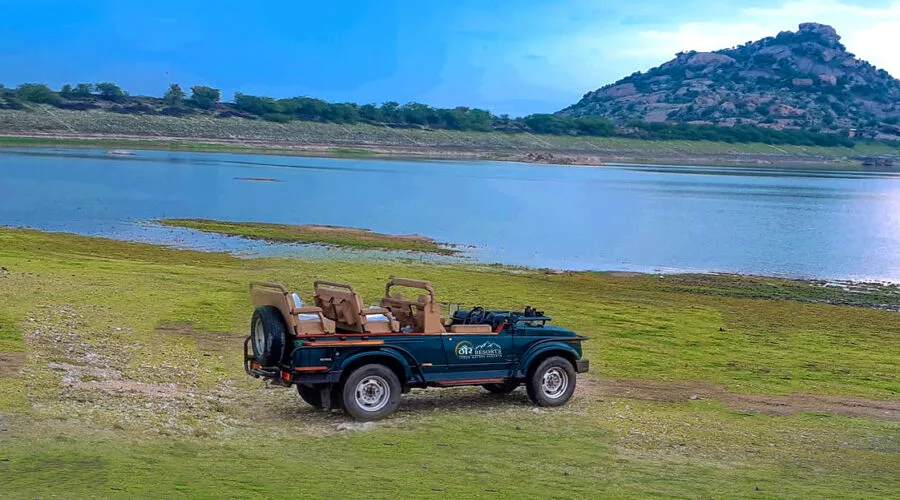
The craggy, ancient granite boulders of Jawai, Rajasthan, hide one of the most compelling wildlife stories on earth. Unlike conventional national parks bound by high fences and dense timber, this terrain offers an intimate window into the wild. For travelers booking a luxury resort in Jawai to experience this landscape firsthand, a successful expedition relies heavily on understanding the terrain's unique geography and ecological dynamics. The following expert insights provide an authoritative guide to navigating the region and maximizing your tracking opportunities.
Respecting the Uniqueness of a Fenceless Ecosystem
A common misconception among first-time safari trackers is expecting a traditional, enclosed wildlife sanctuary. Jawai operates as a free, open conservation reserve covering roughly 19 square kilometers of dramatic rock formations, scrublands, and rural settlements. This absence of artificial boundaries creates an authentic, untamed environment where over 60 to 70 wild leopards roam without physical restrictions.
The high population density of these big cats in a relatively focused geographical area ensures excellent tracking parameters throughout the year. However, discovering them requires sharp observational skills and an understanding of their behavior. Rather than tracking movement through dense foliage, spotting in this region means scanning towering granite outcrops where the animals utilize deep natural caves for shelter, breeding, and tactical observation.
Choosing the Ideal Tracking Window
Environmental conditions heavily dictate animal behavior and movement across the rock faces. To capture the best vantage points, you must align your field excursions with optimal daily schedules.
The Dawn Shift
Morning safaris generally run from 5:30 AM to 9:00 AM depending on seasonal light variations. This period offers exceptional clarity for photography as the morning sun casts a golden hue over the grey granite. Leopards are frequently observed returning from nocturnal hunting routes during these hours, making their way up the steep slopes to settle into elevated resting positions before the heat intensifies.
The Twilight Shift
Evening safaris typically commence around 4:00 PM and extend until dusk. As surface temperatures drop, the cats emerge from their deep cave sanctuaries to stretch, mark territory, and prepare for nightly hunts. The changing gradient of sunset light against the boulders provides a striking visual backdrop and is considered by professional field naturalists as a highly productive window for observing active social behavior among family groups.
Mastering the Art of Camouflage Spotting
The golden-yellow coats of these apex predators, patterned with dense black rosettes, serve as an evolutionary masterpiece of camouflage against the mottled granite and dry scrub vegetation. An untrained eye will often look directly at a resting feline and mistake it for a shadow or a protrusion of the rock.
Experienced local trackers look for subtle indicators rather than the animal's entire silhouette. A slight twitch of a white-tipped tail, the silhouette of a round ear breaking the flat line of a boulder, or the sudden, frantic alarm calls of local langurs and peafowl are the true indicators of a nearby predator. Bringing a high-performance pair of binoculars and a camera equipped with a telephoto lens (minimum 300mm) is highly recommended to bridge the distance safely and appreciate these fine details.
Documenting the Human-Wildlife Harmony
An essential dimension of any professional leopard safari in jawai is observing the rare, conflict-free coexistence between the resident predators and the indigenous Rabari pastoral community. For centuries, these red-turbaned herdsmen have shared their livestock grazing routes with the big cats. Driven by deep-rooted cultural reverence, the Rabari people view the leopards as guardians of their local deities rather than threats.
This mutual tolerance has habituated the local wildlife to human presence, reducing aggressive instincts and allowing them to roam freely past village edges and ancient hillside temples. Documenting this delicate cultural balance provides a profound layer of context to your wildlife journey, elevating it from a standard game drive into an anthropological study of sustainable living.
Exploring Beyond the Apex Predator
While the big cats dominate the local narrative, the surrounding wetlands created by the majestic Jawai Dam offer a diverse secondary ecosystem that warrants close exploration. The expansive reservoir serves as an active habitat for large mugger crocodiles that bask openly along the sandy banks during midday warmth.
Furthermore, the water body functions as a crucial sanctuary for over 150 species of birds. Depending on the season, birdwatchers can observe vibrant flocks of migratory bar-headed geese, demoiselle cranes, flamingos, and pelicans. Incorporating a dedicated backwater tour into your tracking itinerary delivers a well-rounded perspective of the region’s rich biodiversity.
Savoring the Wilderness
After spending hours traversing rugged off-road tracks in open 4x4 vehicles, your return to base should offer a seamless transition into comfort. Exploring this region involves a calculated balance between raw outdoor tracking and refined, peaceful relaxation.
To complement a day of intense field observation, concluding your evening with a curated meal at the Best Dining Restaurant in Jawai grounds your wilderness adventure in local hospitality. Sampling traditional Rajasthani flavors and fresh, locally sourced ingredients under a clear starlit sky provides the perfect space to review your field notes, organize your wildlife photographs, and reflect on the ancient, rhythmic balance of this historic landscape.