Selecting the right equipment is essential for successful placer mining. Different deposits contain varying amounts of sand, gravel, clay, and gold particles, so choosing unsuitable machinery can reduce productivity and increase operating costs. The right industrial gold mining equipment should match the ground conditions, material volume, and gold recovery requirements of your mining site. Before investing in machinery, operators should understand the deposit characteristics, production targets, equipment capacity, and recovery technology. This guide explains the important factors to consider when selecting equipment for an efficient placer mining operation.
1. Understand Your Placer Gold Deposit
Before purchasing mining machinery, evaluate the characteristics of your deposit. Placer gold is commonly found in riverbeds, stream channels, floodplains, and ancient alluvial deposits.
Each location has different geological conditions that influence equipment selection.
Check the Material Composition
Start by identifying the type of material present at your mining site.
- Sand: Generally easier to process and classify.
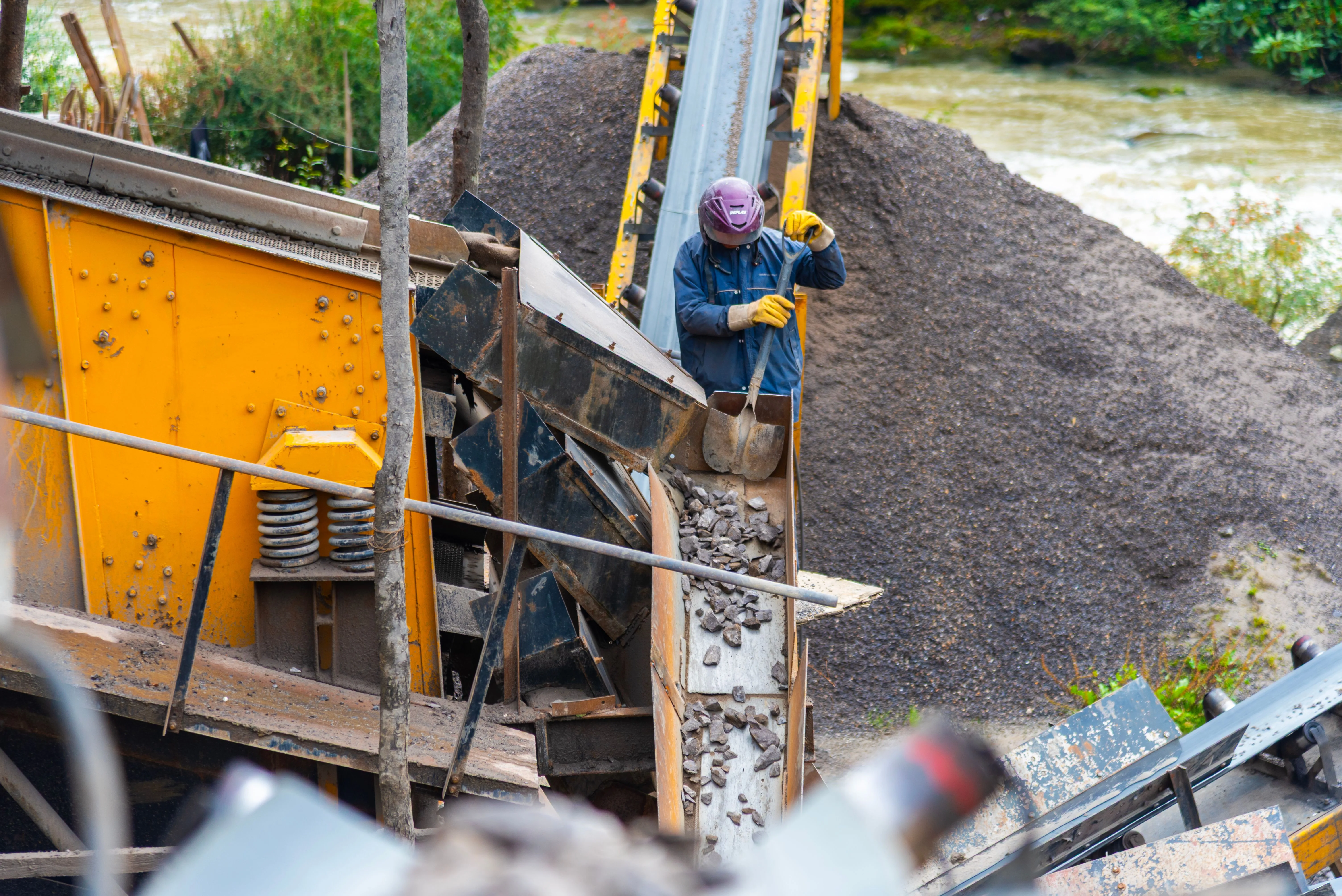
- Gravel: Requires suitable material handling and screening equipment.
- Clay: May need additional washing and breaking capabilities.
- Boulders: Require equipment designed to handle larger rocks and obstructions.
Understanding the material composition helps determine the appropriate dredge configuration and processing capacity.
Evaluate Gold Particle Size
Gold particles can range from larger nuggets to extremely fine flakes. Some placer deposits contain fine gold mixed with sand and lighter sediments, making recovery more challenging.
If your deposit contains fine gold, select a processing system designed to capture smaller particles instead of focusing only on material throughput.
2. Choose Equipment Based on Mining Scale
The size of your mining operation plays an important role in determining which equipment is suitable. Small operations and large commercial projects have different production requirements.
Small-Scale Placer Mining
Smaller mining projects may require compact equipment that is easier to transport, assemble, and operate. Portable dredges and basic classification systems can be suitable when the deposit size and working conditions support their use.
Medium-Scale Mining Operations
Medium-sized projects often require higher processing capacity and more efficient material handling. A properly configured dredge with an integrated recovery system can help reduce unnecessary handling and improve workflow.
Large-Scale Commercial Mining
Large placer mining operations generally require heavy-duty machinery capable of processing substantial material volumes. Commercial suction dredges, powerful pumps, classifiers, and concentrators can work together to support continuous material processing.
The equipment should be selected according to the deposit's actual potential rather than purchasing the largest available machine.
3. Compare Dredge Capacity and Performance
Dredge capacity is one of the most important considerations when choosing equipment for placer deposits. The right size depends on the amount of material available, operating conditions, and expected production.
For commercial operations, compare different dredge sizes before making a decision.
10-Inch Gold Dredge
A 10-inch dredge can be suitable for commercial mining projects that require a relatively compact platform. It offers a published average processing capacity of approximately 150 cubic yards per hour.
12-Inch Gold Dredge
A 12-inch dredge provides a higher processing capacity for operations handling larger material volumes. Its published average capacity is approximately 250 cubic yards per hour.
15-Inch Gold Dredge
A 15-inch dredge is designed for larger commercial projects requiring substantial material throughput. Its published average processing capacity reaches approximately 400 cubic yards per hour.
When comparing these options, consider transportation, power requirements, water depth, and material characteristics alongside hourly capacity.
4. Select an Efficient Gold Recovery System
Excavating gold-bearing material is only one part of placer mining. The recovery system must separate valuable gold particles from sand, gravel, and other unwanted materials.
An effective recovery setup can help operators process material more consistently and reduce unnecessary gold losses.
Consider Fine Gold Recovery
Fine gold can be difficult to capture because smaller particles may move through conventional recovery equipment. For deposits containing fine gold, look for a system designed to recover smaller particles.
For example, recovery technology capable of capturing gold down to .006 fine can be valuable when processing deposits containing very fine gold.
Use Concentrators and Classifiers
Classifiers separate material according to size, while concentrators help separate valuable heavy minerals from lighter material.
Combining these systems can create a more organized processing workflow. It can also reduce the need for additional material transfers between separate machines.
Focus on Recovery Efficiency
When comparing equipment, evaluate the complete recovery process rather than relying only on advertised production capacity. A machine that processes more material does not necessarily recover more gold.
Consider gold particle size, material consistency, classification performance, and the amount of gold remaining in the tailings.
5. Evaluate Power and Operating Requirements
Industrial mining machinery requires sufficient power to operate pumps, processing systems, electrical controls, and other equipment.
Before selecting a dredge, calculate the power requirements of the complete setup.
Important factors include:
- Pump and motor power requirements.
- Onboard power generation capacity.
- Fuel consumption and operating costs.
- Electrical system configuration.
- Maintenance and replacement requirements.
For remote mining locations, onboard power generation can simplify equipment operation by reducing dependence on external electrical infrastructure.
Also consider transportation and assembly requirements. Large commercial equipment may need to be transported in sections and assembled at the mining location.
6. Consider Equipment Durability and Maintenance
Placer mining environments can expose machinery to abrasive sand, gravel, water, and continuous material movement. Equipment durability is therefore important for maintaining reliable operation.
Before purchasing, check the quality of pumps, hoses, structural components, processing equipment, and electrical systems.
Regular maintenance should also be part of your operating plan.
Consider these maintenance requirements:
- Inspect suction hoses and connections regularly.
- Check pumps for wear and damage.
- Clean classifiers and recovery components.
- Monitor electrical systems and power equipment.
- Replace worn parts before they affect production.
Choosing equipment with accessible components and available technical support can make long-term maintenance easier.
7. Work With an Experienced Equipment Manufacturer
Selecting machinery from an experienced manufacturer can help ensure that the equipment matches your mining requirements.
Discuss your deposit characteristics, water depth, material composition, expected production, and gold recovery goals before ordering.
A manufacturer should be able to explain available dredge sizes, processing configurations, power requirements, and customization options.
shelldredging offers commercial dredging platforms in 10-inch, 12-inch, and 15-inch configurations for different placer mining requirements. Comparing the available specifications can help operators identify a suitable system for their projects.
Frequently Asked Questions
1. What equipment is commonly used for placer gold mining?
Common equipment includes suction dredges, pumps, classifiers, sluice systems, and gold concentrators. The right combination depends on deposit characteristics, material volume, and recovery requirements.
2. How do I choose the correct dredge size for placer deposits?
Consider the size of the deposit, material composition, water depth, and production target. Compare available dredge capacities and choose a system that meets your requirements without unnecessary operating costs.
3. Why is fine gold recovery important in placer mining?
Some placer deposits contain very small gold particles that can pass through unsuitable recovery systems. Equipment designed for fine gold recovery helps capture these particles and reduce potential losses.
4. What should I check before purchasing industrial mining equipment?
Evaluate processing capacity, recovery performance, power requirements, equipment durability, maintenance needs, transportation, and manufacturer support. These factors help determine whether the equipment is suitable for your mining site.
Conclusion
Selecting the right equipment for placer deposits requires careful evaluation of geological conditions, mining scale, dredge capacity, recovery technology, power requirements, and long-term maintenance. Each factor contributes to the overall performance of a commercial mining operation.
Instead of choosing machinery based only on size or production claims, focus on equipment that matches your deposit and operational goals. The right combination of dredging and recovery technology can support consistent material processing and more efficient gold extraction.