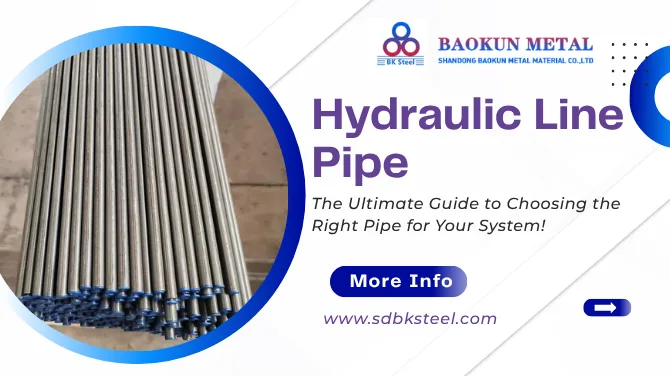
When it comes to hydraulic systems, the significance of a hydraulic line pipe cannot be overstated. Serving as the essential circulatory system for transferring oil and other fluids under pressure, the selection of the right hydraulic line pipe can make the difference between seamless operation and costly downtime. At Shandong Baokun Metal Material Co. Ltd., we understand how critical it is for industries like construction, manufacturing, mining, and transportation to source not only the correct size and material but also the best quality hydraulic line pipe for their unique applications.
In recent years, as industries worldwide ramp up their expectations for higher efficiency, greater safety, and reduced maintenance costs, the demand for robust and reliable hydraulic line pipe solutions has surged. Properly chosen pipes not only ensure the longevity of your machinery but also contribute to the overall productivity and safety of your operations.
Why the Right Hydraulic Line Pipe Matters?
Selecting the correct hydraulic line pipe is a foundational step in the installation or maintenance of any hydraulic system. The repercussions of selecting improperly rated or incompatible pipes can be severe—ranging from fluid leaks and pressure losses to complete system failures or safety hazards. On the other hand, a well-informed choice maximizes operational performance and prevents unnecessary costs related to repairs, replacements, or lost productivity.
Moreover, as hydraulic systems become more complex and sophisticated, the need for pipes with precise tolerances, superior corrosion resistance, and high-pressure capacity becomes evident. This underscores the importance of understanding not only the functional requirements of your hydraulic system, but also the technical specifications and performance characteristics of the hydraulic line pipe you select.
1. Understanding Hydraulic Line Pipes
Hydraulic line pipes are specifically engineered tubes designed to carry pressurized fluids in hydraulic systems. Typically, these pipes are made from materials with high strength and corrosion resistance, such as carbon steel, stainless steel, or specialized alloys. Hydraulic line pipes must meet rigorous industry standards to ensure that they can withstand the internal pressure of hydraulic systems while maintaining a leak-proof seal over their operational lifetime.
Key Functions of Hydraulic Line Pipes:
- Efficiently transmit fluid under high pressure
- Maintain structural integrity across varied operating conditions
- Resist corrosion and wear from both internal and external factors
- Provide compatibility with hydraulic fittings and connectors
Since hydraulic systems are used in diverse applications, ranging from industrial presses to mobile construction equipment, the choice of hydraulic line pipe must be tailored for each specific use.
2. Types of Hydraulic Line Pipes and Materials
- Carbon Steel Hydraulic Line Pipes:
Carbon steel is by far the most common material used in hydraulic line pipe manufacturing due to its balance of strength, machinability, and cost-effectiveness. It offers excellent pressure handling and is suitable for general applications. - Stainless Steel Hydraulic Line Pipes:
For systems exposed to corrosive environments or requiring higher cleanliness, stainless steel pipes are preferred. They offer superior resistance to oxidation and are essential in marine, chemical, and food-grade hydraulic systems. - Coated and Plated Hydraulic Line Pipes:
Often, hydraulic line pipes feature coatings such as zinc plating or epoxy for extra corrosion protection—critical for outdoor or harsh environments. - Seamless vs. Welded Pipes:
Seamless pipes are made without a welded seam and are typically used where strength and integrity are paramount. Welded pipes, on the other hand, are often more cost-effective and suitable for lower-pressure applications.
3. Determining the Correct Size for Hydraulic Line Pipes
Choosing the right size for your hydraulic line pipe involves considering both external diameter (OD), wall thickness, and the maximum working pressure. Undersized pipes can lead to excessive pressure drops, heat build-up, and inefficiency, while oversized pipes may result in unnecessary expense and cumbersome installations.
Key Sizing Factors:
- Maximum operating pressure of your hydraulic system
- Fluid flow rate requirements
- Compatibility with existing fittings and equipment
- Length of piping runs and potential for pressure loss
Industry standards such as DIN, ASTM, and ISO provide detailed sizing charts and guidelines.
4. Hydraulic Line Pipe Standards and Certifications
To ensure safety, quality, and regulatory compliance, hydraulic line pipes should conform to international standards like ASTM A106, ASTM A53, DIN 2391, and EN 10305. At Shandong Baokun Metal Material Co. Ltd., our hydraulic line pipes are manufactured in alignment with these benchmarks, providing our clients with full confidence in product consistency and performance.
5. Quality Assurance and Testing
It is essential that hydraulic line pipes undergo rigorous quality assurance processes, including:
- Hydrostatic pressure testing
- Non-destructive evaluation (NDE), such as ultrasonic or eddy current testing
- Dimensional inspections for straightness, roundness, and wall thickness
- Surface finish and coating validation
These steps guarantee that every pipe delivered meets or exceeds application demands.
6. Installation Tips for Hydraulic Line Pipes
Even the best hydraulic line pipe can fail if not installed correctly. Follow these best practices:
- Always use proper cutting, bending, and flaring tools specifically designed for hydraulic pipes.
- Eliminate sharp bends or kinks that can restrict fluid flow or cause stress concentrations.
- Ensure that all connections are clean, properly torqued, and leak-tested before system commissioning.
- Support pipes adequately along their lengths to prevent sagging or vibration-related fatigue.
7. Maintenance for Longevity
Regular inspection is key for extending the lifespan of hydraulic line pipes. Look for signs of corrosion, abrasion, vibration-induced wear, and leaks. Replace damaged pipes promptly and use only original equipment manufacturer (OEM) parts to maintain system integrity.
Selecting the right hydraulic line pipe is more than just a technical decision—it’s a strategic investment in the safety, efficiency, and longevity of your hydraulic systems. By carefully considering material options, sizing, certifications, installation best practices, and ongoing maintenance, you can prevent costly failures and keep your operations running smoothly. At Shandong Baokun Metal Material Co. Ltd., we are dedicated to providing not only high-quality hydraulic line pipe products but also expert support throughout your selection and procurement process. Whether you are upgrading existing equipment or starting a new project, our team is ready to help you make informed choices that deliver lasting value. Trust in our experience and comprehensive product range to give your hydraulic systems the reliable performance they deserve. Contact us today to discover how our hydraulic line pipe solutions can power your next success.
Frequently Asked Questions (FAQ) About Hydraulic Line PipeQ1. What is the difference between seamless and welded hydraulic line pipe?
A: Seamless pipes are made from a solid billet and do not have any welded seams, making them stronger and more reliable for high-pressure applications. Welded pipes are made by rolling and welding sheets of metal and are more suitable for low-to-medium pressure applications due to the welded seam.
Q2. How do I know which material is best for my hydraulic line pipe?
A: The choice depends on your application. For standard machinery, carbon steel is usually sufficient. In corrosive or sanitary environments, stainless steel or specially coated pipes are required. Always consider operating pressure, temperature, and environmental conditions.
Q3. What certifications should hydraulic line pipe have?
A: Look for certifications such as ASTM, DIN, ISO, and EN which indicate the pipe meets strict international quality standards. Suppliers like Shandong Baokun Metal Material Co. Ltd. offer documented certifications with each order.
Q4. Can I reuse old hydraulic line pipes?
A: While some pipes can be reused if carefully inspected and pressure-tested, it's generally best practice to use new pipes—especially for critical or high-pressure systems—to avoid unexpected failures.
Q5. What are common causes of hydraulic line pipe failure?
A: Pipe failure is most often caused by corrosion, mechanical damage, improper installation, exposure to incompatible fluids, and manufacturing defects. Routine inspection and buying from reputable suppliers greatly reduce these risks.