
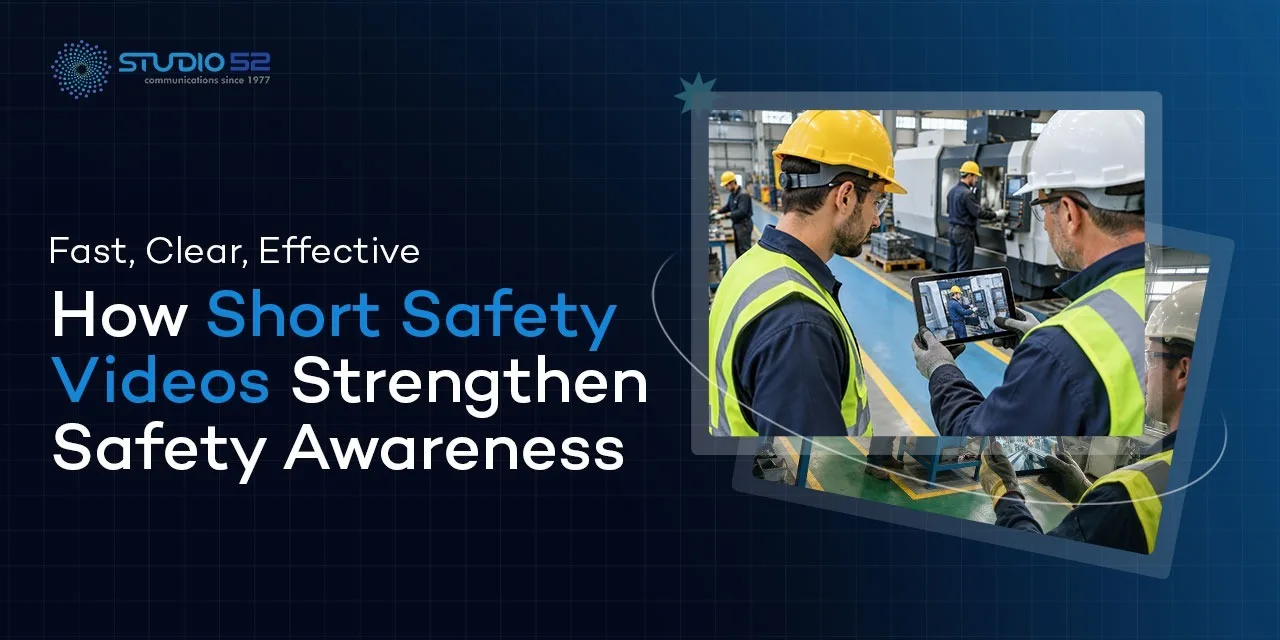
Workplace safety is an important part of every organisation, particularly in industries where employees regularly deal with machinery, equipment, hazardous materials and challenging working conditions. Providing employees with clear safety instructions is essential for reducing workplace risks and encouraging responsible behaviour. One effective way to communicate these instructions is through short workplace safety videos.
Short safety videos present important safety information in a simple, visual and engaging format. Instead of relying entirely on lengthy manuals or traditional training sessions, businesses can use video content to explain safety procedures, demonstrate preventive measures and highlight potential workplace hazards.
Why Workplace Safety Awareness Matters
Employees need to understand the potential risks associated with their daily responsibilities. From construction sites and manufacturing facilities to offices and warehouses, every workplace has its own safety requirements. Lack of awareness, poor communication or overlooked procedures can contribute to workplace incidents.
Regular safety communication helps employees recognise hazards, understand preventive measures and follow workplace safety guidelines. It also encourages employees to take responsibility for their own safety and the safety of their colleagues.
Safety awareness should not be limited to onboarding sessions. Organisations can reinforce important information through regular safety reminders, short training sessions and visual learning materials that employees can easily understand.
How Short Safety Videos Make Training More Effective
Short safety videos focus on specific topics, allowing employees to learn essential information without being overwhelmed. These videos can explain one safety procedure, hazard or preventive action at a time.
Visual demonstrations help employees understand how to use protective equipment, operate machinery safely, respond to emergencies and follow workplace protocols. By combining narration, animation, real-life footage and visual illustrations, safety training videos can make complex instructions easier to follow.
Short videos can also be shared before shifts, during toolbox talks, internal training sessions or through employee learning platforms. Their flexible format makes them suitable for different departments and workplace environments.
Important Topics to Cover in Safety Awareness Videos
Businesses can develop short safety videos around the risks and procedures relevant to their employees. Some useful topics include:
- Personal protective equipment (PPE) and its proper use
- Fire prevention and emergency evacuation procedures
- Working at heights and fall prevention
- Machinery operation and equipment safety
- Electrical safety and hazard identification
- Chemical handling and storage precautions
- Manual handling and lifting techniques
- Workplace housekeeping and slip, trip and fall prevention
Each video can focus on a particular topic, helping employees understand the essential information and apply it during their daily activities.
The Role of Animation in Safety Training
Some workplace hazards and procedures are difficult to film in real environments. Safety animation videos can help businesses demonstrate these situations through creative visual storytelling.
2D and 3D safety animation can illustrate machine hazards, dangerous working conditions, emergency scenarios and correct operating procedures. Animation also allows organisations to visualise technical processes, restricted areas and potential accidents without exposing employees or production teams to real risks.
Well-designed safety animation videos can simplify complicated safety information and make training more engaging. They are particularly useful for industrial environments, construction projects, manufacturing facilities and other workplaces where visual demonstrations can support employee understanding.
Benefits of Short Safety Videos for Organisations
Short safety videos offer several practical advantages for businesses. They help standardise safety communication by presenting consistent instructions across different departments, locations and employee groups.
Videos can also be reused for employee induction, refresher training, toolbox talks and internal awareness campaigns. This makes it easier for organisations to reinforce important safety messages regularly.
Another advantage is accessibility. Employees can watch short videos at convenient times, revisit instructions when required and learn through visual examples. This approach can complement classroom training, written safety documents and on-site demonstrations.
When safety videos are developed around actual workplace requirements, they can support better hazard awareness, improve communication and encourage a proactive approach to workplace safety.
Professional Safety Video Production for Workplace Training
Creating an effective safety video requires more than presenting information on screen. The content needs to be structured carefully, with clear messaging, relevant visuals, suitable narration and an engaging presentation style.
Studio52 provides professional safety video production, safety animation and HSE video solutions for businesses across various industries. From workplace safety awareness videos and safety induction videos to animated safety training content, professionally produced videos can help organisations communicate safety procedures and workplace expectations effectively.
Businesses can use customised video content to explain their safety policies, demonstrate preventive actions and deliver training messages suited to their operational environments.
Conclusion
Short workplace safety videos are a practical way to communicate safety instructions, highlight workplace hazards and reinforce responsible working practices. Their visual format makes important information easier to communicate, while their shorter duration supports regular training and awareness initiatives.
By incorporating short safety videos into workplace training programmes, organisations can strengthen safety communication, encourage employee participation and promote a more safety-conscious working environment. Investing in clear and engaging safety video content can help make workplace safety an ongoing priority rather than an occasional training activity.