Straightening crowded or misaligned teeth later in life is increasingly popular across Australia, yet choosing the right orthodontic path requires balancing clinical needs with a packed work and social calendar. Many working professionals begin comparing invisalign vs braces to see which option fits smoothly around client meetings and weekend plans, while others ask their local clinician whether invisalign treatment can deliver discreet results without disrupting daily routines. Understanding how clear aligners and fixed brackets differ in comfort, visibility, and appointment schedules helps busy adults make an informed decision.
Appearance and Confidence in Professional Settings
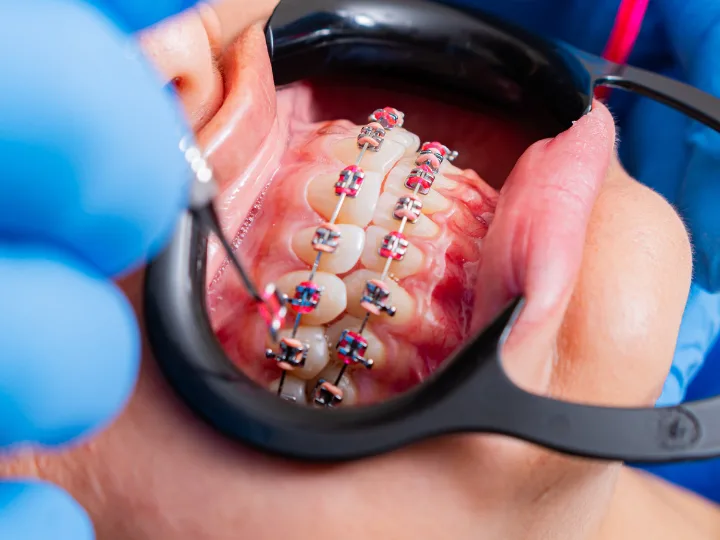
For adults regularly presenting in boardrooms, serving customers, or attending social events, appliance visibility often plays a major role. Clear aligners are crafted from smooth, transparent medical-grade polymer that sits snugly over the teeth, making them barely noticeable during everyday conversations. Traditional fixed braces use small brackets bonded to the front surfaces of teeth and connected by a thin archwire. While modern ceramic brackets blend closer to natural enamel than older metal styles, fixed appliances remain more visible than removable clear trays.
Eating Freedom and Daily Oral Hygiene
How each system fits into meal times and bathroom routines highlights another clear contrast for busy households:
- Clear aligners are removed completely before eating or drinking anything other than plain water, allowing you to enjoy crunchy salads, apples, and crusty bread without food traps.
- Brushing and flossing stay straightforward with removable trays, whereas fixed brackets require interdental brushes and floss threaders to clean thoroughly around wires.
- Fixed braces work continuously around the clock without relying on personal willpower to remember putting trays back in after coffee breaks or business lunches.
Appointment Frequency and Treatment Complexity
Time spent in the dental chair matters when juggling career and family commitments. Because clear aligner series are digitally mapped in advance, patients typically swap to a fresh set of trays at home and attend brief progress reviews spread further apart. Fixed braces require regular in-chair wire adjustments, yet they remain remarkably effective for complex bite corrections, severe tooth rotations, or vertical tooth movements where constant mechanical control is beneficial.
Final Thoughts on Adult Orthodontics
Selecting the ideal path to a straighter smile comes down to matching clinical suitability with your everyday habits and schedule. Whether you are weighing up invisalign vs braces for long-term bite balance or discussing how invisalign treatment fits into a demanding workweek, a personalised dental assessment clarifies the clearest way forward.
Frequently Asked Questions
Are clear aligners as effective as traditional braces for adults?
For mild to moderate crowding, spacing, and many bite concerns, clear aligners achieve comparable results to fixed brackets when worn consistently as directed. Complex structural bite issues may still respond better to fixed braces.
How many hours a day must clear aligners be worn?
Removable aligner trays need to stay in place for nearly the entire day and night, coming out only for meals, coloured drinks, brushing, and flossing so teeth move steadily on schedule.
Do fixed braces or clear aligners cause speech changes?
Some adults notice a slight lisp during the initial adjustment phase with clear trays or new brackets, though the tongue adapts quickly once everyday speaking continues.
Which orthodontic option requires fewer dental visits?
Clear aligner plans often allow longer intervals between check-ups because multiple sets of pre-planned trays can be provided at once, whereas fixed braces need regular hands-on wire adjustments.
Can adults straighten teeth if they have existing fillings or crowns?
Yes, most adults with existing dental restorations can undergo orthodontic care safely, though a thorough clinical exam ensures all teeth and gums are healthy before movement begins.