An Acrylic Roof Coating is right for your commercial building if your existing roof structure is structurally sound, has positive drainage, and suffers from heavy exposure to heat and sunlight. These water-based elastomeric systems create a monolithic layer that seals minor cracks and reflects solar radiation, significantly lowering indoor cooling costs.
If your property struggles with standing water or severe cold weather during application, alternative materials like silicone might serve you better. Decades of field testing show that reflective roof surfaces reduce heat transfer into buildings, preserving original roofing materials without requiring a tear-off.
Direct Financial and Operational Advantages for Building Owners
Restoring a commercial roof costs substantially less than replacing the full assembly. An Acrylic Roof Coating acts as a renewable sacrificial membrane, taking the brunt of weather exposure so your underlying roof structure stays intact. Professional Roof Coating Services can help apply this protective layer evenly, extending the service life of the existing roof while reducing the need for costly replacement.
Applying reflective coatings directly onto existing surfaces eliminates tear-off labor and landfill disposal fees. Building occupants can continue daily operations without major disruptions or noise interruptions typical of full construction projects.
Key operational advantages include:
- Energy savings of up to twenty percent on summer air conditioning utility bills
- Surface temperature reductions of up to fifty degrees Fahrenheit in direct sunlight
- Qualification for utility rebates and energy efficiency tax deductions
- Extended life for existing HVAC equipment due to reduced cooling demands
- Reduced urban heat island impact around your facility
Bonus Tip: Check with local power utility providers before starting installation. Many companies offer cash incentives for installing cool roof reflective surfaces that meet minimum solar reflectance standards.
Which Roof Types Perform Best with Elastomeric Systems
Not every roof substrate responds identically to elastomeric coatings. Matching the coating material to your current membrane ensures strong adhesion and long-term protection.
Selecting a Commercial Roof Coating system tailored to your specific roof substrate prevents premature peeling and blistering. Metal panels, single-ply membranes, and modified bitumen react differently under extreme heat.
- Metal Roofs: Excellent candidates because their elastomeric properties adjust smoothly to panel expansion and contraction.
- EPDM Membranes: Require specialized primers to achieve full surface adhesion.
- TPO and PVC: Work well when surfaces are thoroughly cleaned and properly aged.
- Built-Up Roofs: Require heavy primer application to fill granule gaps and rough texture.

Substrate Compatibility and Operational Guidelines
Roof Substrate TypeAdhesion StrengthPrimer RequirementStanding Water ResistanceMetal DeckingHighStandard Rust PrimerModerateAged TPOHighSubstrate CleanerLowEPDM RubberMediumHigh-Tack PrimerLowModified BitumenHighWash-Primer RequiredModerateSpray Polyurethane FoamHighOptional Direct CoatLowHow Does Climate Impact the Performance of Acrylic Elastomeric Coatings
Local atmospheric conditions determine how well your protective layer cures and performs over time. Water-based formulas rely on warm, dry air to evaporate water content during the curing process.
If you manage facilities in sunny regions, an Acrylic Roof Coating delivers top-tier performance by blocking harmful ultraviolet rays. Direct solar exposure causes uncoated asphalt and rubber membranes to dry out, crack, and fail prematurely.
Regional and climate considerations to keep in mind:
- Sunbelt Regions: High UV reflectivity provides maximum thermal reduction year-round.
- Cold Northern Climates: Freezing temperatures during application ruin curing water-based materials.
- High Humidity Zones: Drying times increase significantly, requiring dry weather windows during installation.
- High Rainfall Areas: Standing water causes water-based coatings to soften and break down over time.
Bonus Tip: Schedule your application project during dry months when night temperatures remain consistently above fifty degrees Fahrenheit for at least forty-eight hours.
Key Factors to Review Before Purchasing a Restoration System
Before investing in Roof Coating Services, property managers must evaluate existing roof conditions thoroughly. Applying a layer over compromised materials traps moisture and leads to structural deck rot.
Conducting a moisture survey helps locate trapped wet insulation under existing membranes. Damaged sections must be cut out and replaced before any surface preparation begins.
Primary pre-decision factors include:
- Roof Slope: Slopes greater than one-quarter inch per foot ensure proper water drainage.
- Existing Moisture: Trapped water beneath membranes prevents coating adhesion and causes bubbling.
- Surface Cleanliness: Dirt, grease, and chalking ruin chemical bonds between layers.
- Existing Warranty Status: Verify whether adding a restoration layer impacts current manufacturer coverage.
When you hire experienced Roof Coating Specialists, they perform surface adhesion tests to determine if dedicated primers are needed before full application.
Essential Maintenance Steps to Extend System Lifespan
Proper maintenance protects your investment and ensures your solar reflectivity stays at peak levels. Environmental dirt, atmospheric dust, and debris reduce light reflection if left uncleaned.
Inspecting your building roof twice per year helps identify minor physical tears caused by foot traffic or flying storm debris early.
Recommended maintenance actions include:
- Annual low-pressure washing using mild biodegradable detergents
- Clearing drains, gutters, and scuppers to avoid standing water pockets
- Performing immediate touch-ups on high-traffic areas around mechanical units
- Documenting all inspection records to keep manufacturer warranties valid
Bonus Tip: Install heavy-duty walkway pads along routine inspection paths to mechanical equipment. This protects soft coating layers from shoe scuffs and dropped hand tools.
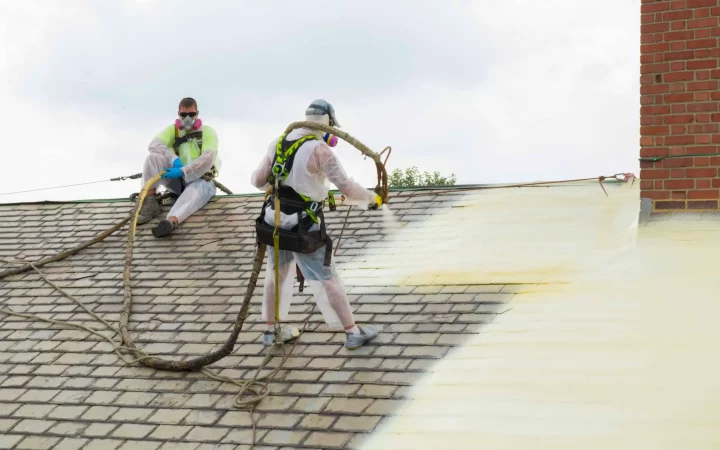
Making the Best Decision for Your Commercial Property
Evaluating whether an Acrylic Roof Coating suits your facility comes down to drainage quality, regional weather patterns, and substrate condition. Properties with strong roof slopes in high-heat environments reap maximum cooling benefits and long-term surface protection.
Inspect your roof drainage paths, resolve minor leaks, and consult qualified professionals to confirm your existing membrane is ready for restoration. Taking these practical steps ensures your building stays protected while keeping energy costs down.
Choosing Professional Application Services for Long-Term Protection
For business owners seeking top-tier roof restoration, working with skilled contractors ensures maximum service life and heat defense. Spray Foam Tech provides expert roof assessment, surface prep, and application tailored to your building's needs. Contact their team directly at (737) 777-9590 or via email at oldworldtx@hotmail.com.
Frequently Asked Questions About Commercial Elastomeric Systems
How long does a typical acrylic roof application last?
A professionally applied acrylic restoration system lasts between ten and fifteen years depending on dry mil thickness. Reapplying a fresh topcoat before the base coat wears thin extends total life indefinitely.
Can acrylic coatings handle standing water on flat commercial roofs?
Water-based acrylic formulas soften when submerged under standing water for extended periods. Buildings with chronic ponding water issues require drainage corrections or silicone coatings in low-lying sections.
How much can surface temperatures drop after installation?
Bright white elastomeric layers lower dark roof surface temperatures from over one hundred sixty degrees Fahrenheit down to near ambient air temperatures, often dropping surface heat by forty to fifty degrees.
What surface preparation is required before applying the material?
Roofs must be thoroughly power washed to eliminate chalking, dirt, grease, and biological growth. Damaged seams, fasteners, and flashings must be repaired and reinforced before liquid application.
Is cold weather installation recommended for acrylic products?
Cold weather hampers the curing process because water cannot evaporate efficiently. Application requires ambient and surface temperatures above fifty degrees Fahrenheit for at least twenty-four to forty-eight hours.