
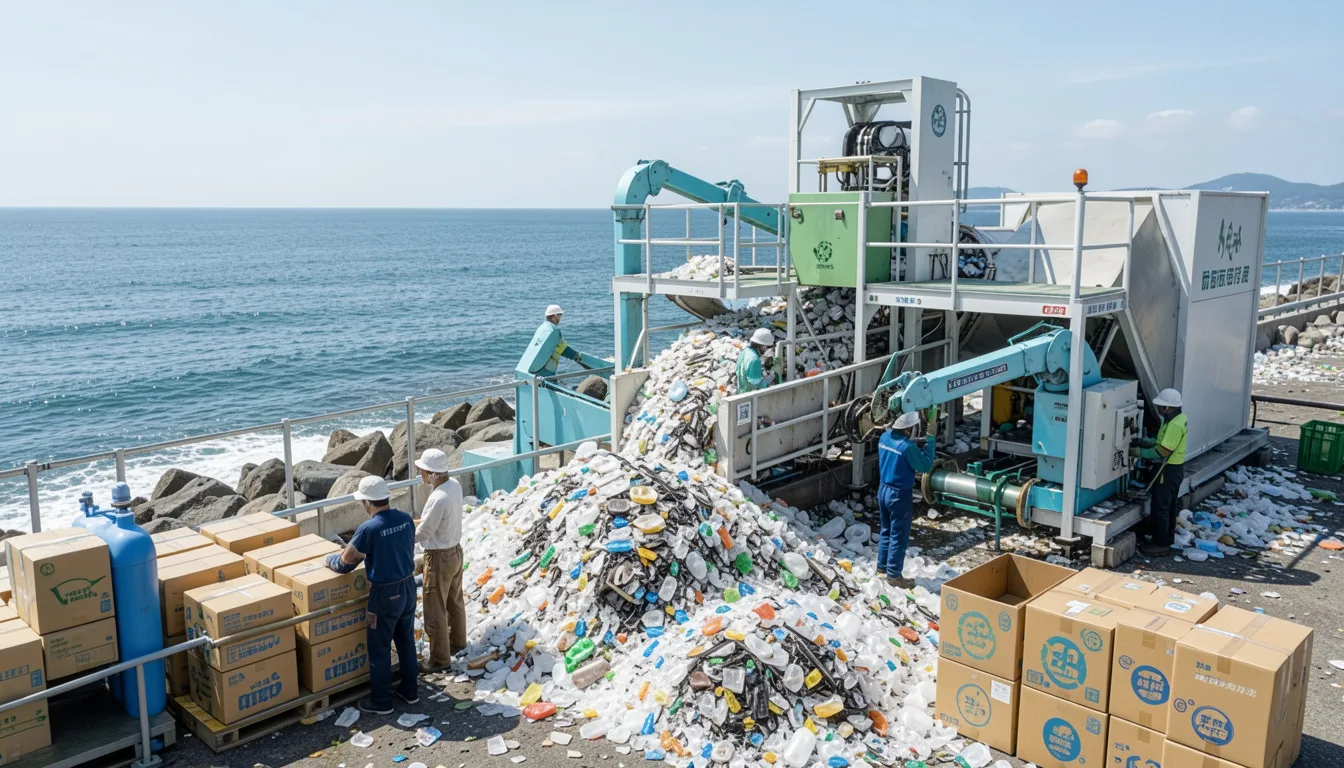
According to Dimension Market Research, The Japan Recycled Ocean Plastics Market is witnessing substantial momentum as environmental sustainability becomes a central focus across industries and government initiatives. Growing concerns surrounding marine pollution, coupled with increasing pressure to reduce plastic waste, are encouraging the adoption of recycled ocean plastics as a viable alternative to conventional raw materials. This transition is helping create a more sustainable manufacturing ecosystem while supporting Japan’s long-term environmental objectives.
The country has emerged as a leading advocate of resource efficiency and circular economy principles. Through a combination of policy support, technological innovation, and public-private partnerships, Japan is strengthening its ability to recover plastic waste from oceans and coastal environments and convert it into high-value industrial materials. These efforts are contributing to the development of a more resilient and environmentally responsible plastics value chain.
Businesses across sectors such as packaging, consumer goods, automotive manufacturing, textiles, and electronics are increasingly incorporating recycled ocean plastics into their products. This trend reflects a broader commitment to sustainability, carbon reduction, and responsible sourcing practices. As demand for environmentally friendly materials continues to increase, recycled ocean plastics are becoming an important component of modern manufacturing strategies.
Download a Complimentary PDF Sample Report: https://dimensionmarketresearch.com/request-sample/japan-recycled-ocean-plastics-market/
Market Outlook
Japan’s recycled ocean plastics industry is moving beyond environmental conservation and becoming a significant economic opportunity. By transforming marine waste into reusable resources, the market supports both ecological restoration and industrial innovation.
The Japan Recycled Ocean Plastics Market is projected to reach USD 100 million in 2025 and is expected to expand steadily to approximately USD 200 million by 2034. With a CAGR of 8.1%, the market's growth trajectory reflects rising investments in recycling infrastructure, increasing consumer demand for sustainable products, and stronger regulatory measures targeting plastic waste reduction.
The growing emphasis on sustainable material sourcing is encouraging manufacturers to explore alternatives to virgin plastics. Recycled ocean plastics offer an effective solution by reducing environmental impact while meeting evolving performance and quality requirements across diverse applications.
Key Growth Catalysts
Strong Government Support for Sustainability
Government initiatives aimed at reducing marine pollution and promoting recycling are creating a favorable environment for market expansion. Policies supporting waste collection, material recovery, and circular economy practices are encouraging businesses to invest in recycled materials and sustainable production systems.
Rising Demand for Sustainable Packaging Materials
Packaging manufacturers are increasingly adopting recycled ocean plastics as brands seek environmentally responsible alternatives to traditional packaging solutions. Growing consumer awareness regarding plastic pollution is accelerating demand for products packaged with recycled content.
Expansion of Circular Economy Programs
Japan’s commitment to establishing a circular economy is creating long-term growth opportunities for the recycled ocean plastics industry. Material recovery and reuse are becoming central components of corporate sustainability strategies, driving demand for recycled feedstocks across multiple sectors.
Growing Corporate Environmental Commitments
Organizations are setting ambitious sustainability targets and integrating recycled materials into their supply chains. The use of recycled ocean plastics helps companies reduce environmental footprints while strengthening brand reputation among environmentally conscious consumers.
Emerging Technology Trends
Technological innovation continues to enhance the efficiency and scalability of ocean plastic recycling operations.
Advanced sorting technologies powered by artificial intelligence are improving the identification and classification of recovered materials. These systems help increase recycling yields while reducing processing costs.
Chemical recycling processes are enabling manufacturers to convert difficult-to-recycle plastics into high-quality raw materials. This technology expands the range of ocean plastics that can be reused in commercial applications.
Innovations in material purification are also improving the consistency and performance of recycled plastics, making them suitable for premium packaging, consumer products, and industrial applications.
Digital traceability systems are becoming increasingly important, allowing companies to verify the origin and environmental credentials of recycled materials throughout the supply chain.
Purchase the report for comprehensive details: https://dimensionmarketresearch.com/checkout/japan-recycled-ocean-plastics-market/
Regional Analysis
Coastal Regions at the Forefront of Market Development
Japan’s coastal areas are playing a vital role in supporting the recycled ocean plastics ecosystem. These regions serve as primary collection points for marine waste and host numerous cleanup and recycling initiatives designed to reduce ocean pollution.
Local governments, environmental organizations, and private enterprises are working together to establish efficient collection systems and improve recycling rates. These collaborative efforts are strengthening the availability of recyclable materials and supporting market growth.
Industrial Centers Driving Material Consumption
Major manufacturing regions across Japan are creating significant demand for recycled ocean plastics. Industries focused on packaging, consumer goods, electronics, and automotive production are increasingly utilizing sustainable materials to meet environmental objectives and regulatory requirements.
The concentration of advanced manufacturing capabilities within these regions positions Japan as a leading market for high-value recycled ocean plastic applications.
Key Insights Summary
The Japan Recycled Ocean Plastics Market is entering a period of sustained growth driven by environmental regulations, circular economy initiatives, and increasing demand for sustainable materials. With the market expected to grow from USD 100 million in 2025 to USD 200 million by 2034, opportunities are expanding across recycling, packaging, consumer goods, and industrial manufacturing sectors. Continued investment in advanced recycling technologies and marine conservation efforts will further strengthen the market’s role in supporting Japan’s transition toward a more sustainable and resource-efficient economy.