Standing at the Crossroads: A Glimpse into Today's Job Market
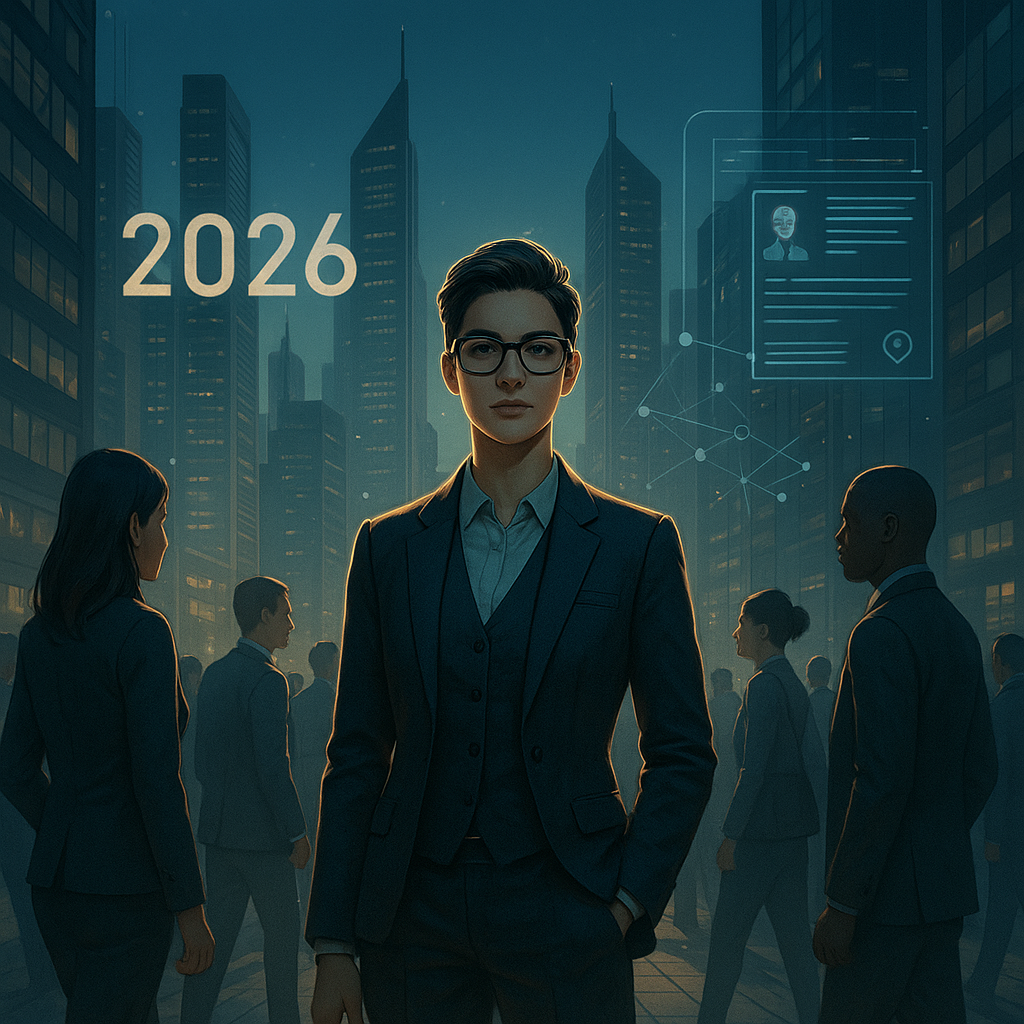
On a bustling Tuesday morning in June 2026, Maya, a recent graduate with a double major in computer science and behavioral psychology, scrolls through over 50 job postings before applying to just three. Her story is not unique. Across the globe, millions face an intensely competitive job market where traditional resumes are no longer enough. According to recent labor market analyses from the U.S. Bureau of Labor Statistics, the number of job seekers far outpaces openings in many sectors, particularly in tech, healthcare, and creative industries. Yet, companies are simultaneously reporting a shortage of qualified candidates who can bridge technical skills with adaptability and emotional intelligence.
This paradox has created an environment where standing out is no longer about who knows the most but who can demonstrate the most relevant, adaptable, and human-centered skills. As we explore how candidates like Maya can distinguish themselves, it becomes clear that mastering career distinction requires an understanding of the forces shaping employment opportunities and a strategic approach to personal branding and skill acquisition.
From Resumes to Relationships: The Evolution of Job Market Dynamics
The transformation of the job market over the past decade has been shaped by rapid technological innovation, shifting employer expectations, and evolving worker aspirations. In the early 2020s, automation and AI were feared to displace millions of jobs. However, recent studies reveal a more nuanced picture: while some roles have diminished, many new jobs demand hybrid skills combining technology fluency with creativity and interpersonal abilities.
This shift has been accelerated by the rise of AI-powered recruitment tools that screen candidates based on nuanced algorithms. According to industry reports, over 75% of Fortune 500 companies now utilize AI to evaluate applications, emphasizing not only hard skills but cultural fit and potential for growth. Consequently, passive candidates and those relying on traditional application methods find themselves overlooked.
In parallel, the gig economy and remote work models have expanded, requiring job seekers to be more entrepreneurial and self-directed. Workers must now manage their own career narratives across multiple platforms, signaling their capabilities through portfolios, social media presence, and professional networks. Platforms like LinkedIn and emerging decentralized career networks have become arenas where reputations are built and verified through endorsements and project showcases.
Decoding Distinction: Core Strategies and Data-Driven Insights
To rise above the noise in 2026, job seekers must deploy multi-dimensional strategies. Data from the National Career Development Association highlights several key differentiators that correlate strongly with successful hires:
- Skill Agility: Candidates who demonstrate continuous learning and adaptability are 42% more likely to receive interview calls. This includes certifications in emerging technologies and cross-disciplinary expertise.
- Personal Branding: A strong, authentic online presence that reflects professional values and achievements increases recruiter engagement by 36%.
- Networking Quality: Proactive engagement in industry-specific communities and mentorship programs correlates with a 28% higher job placement rate.
- Emotional Intelligence (EI): Hiring managers rate EI as a top attribute, with 65% believing it predicts long-term success better than technical skills alone.
- Portfolio Evidence: Project-based portfolios showcasing problem-solving and impact outpace traditional resumes by 50% in recruiter preferences.
Moreover, research from Gartner emphasizes the growing importance of AI literacy. Candidates proficient in collaborating with AI tools and understanding their implications are increasingly favored in sectors like finance, marketing, and healthcare.
“In 2026, your ability to collaborate with AI systems and demonstrate emotional intelligence will define your career trajectory more than any single technical skill.” – Dr. Anjali Patel, Workforce Futurist
The 2026 Landscape: Emerging Trends and Market Realities
This year has brought several pivotal changes impacting how candidates can differentiate themselves. The integration of AI into everyday workflows means that roles demanding human creativity, strategic thinking, and interpersonal skills are expanding rapidly. Hybrid and remote work environments have matured, requiring candidates to exhibit digital communication fluency and self-management.
Additionally, companies are increasingly adopting diversity, equity, and inclusion (DEI) mandates, reshaping recruitment to value diverse perspectives and backgrounds. This has opened doors for candidates who can articulate unique cultural insights and demonstrate inclusive leadership potential.
The rise of micro-credentialing platforms has also democratized skill acquisition, enabling professionals to rapidly upskill in niche areas relevant to their industries. This contrasts with older models where formal degrees were the primary currency.
In fact, a recent survey by LinkedIn's Workforce Insights division found that 64% of hiring managers in 2026 place equal or greater value on verified micro-credentials compared to traditional degrees, particularly in technology and creative fields.
“The democratization of knowledge through micro-credentials has leveled the playing field but raised the bar for continuous improvement.” – Mia Chen, Head of Talent Acquisition at InnovateX
Expert Perspectives: Navigating the Competitive Job Market
Industry leaders emphasize that standing out today requires a strategic mindset and an authentic personal narrative. Recruiters note that candidates who can clearly communicate their unique value proposition in interviews and digital profiles succeed more frequently.
Career coaches recommend cultivating a growth mindset, focusing on transferable skills, and leveraging mentorship opportunities. According to Jessica Morales, a leading career strategist, “The best candidates we see in 2026 are those who treat their careers like startups: agile, innovative, and relentlessly focused on delivering value.”
Employers also highlight the importance of cultural fit and adaptability over rigid credentials. Many have incorporated behavioral assessments and situational interviews to evaluate how prospective hires handle uncertainty and collaboration.
To better understand practical applications, Minnesota’s Career Expo, a major hiring event this year, showcased how candidates combining technical skills with storytelling and networking secured roles rapidly despite high competition. This event was detailed in our recent coverage, illustrating actionable strategies to accelerate hiring in a cutthroat job market.
Actionable Insights and What to Watch Next
As the job market continues to evolve, candidates must proactively adapt. Key takeaways for those seeking to stand out include:
- Embrace Continuous Learning: Regularly update skills through micro-credentials, workshops, and AI literacy programs.
- Build a Dynamic Portfolio: Showcase tangible projects that highlight problem-solving, creativity, and impact rather than static resumes.
- Leverage Digital Networks: Engage authentically in professional communities and cultivate relationships with mentors and peers.
- Develop Emotional Intelligence: Invest time in self-awareness, empathy, and communication skills to thrive in collaborative environments.
- Articulate Your Story: Craft a compelling personal brand narrative accessible across platforms emphasizing your unique blend of skills and values.
Looking ahead, emerging technologies such as augmented reality (AR) job simulations and AI-driven career coaching are poised to further transform recruitment practices. Candidates who experiment with these tools now will gain a competitive edge.
For further guidance on mastering job market challenges and rising above the noise, readers can explore our in-depth analyses in Mastering Job Market Challenges: Strategies to Stand Out and Succeed and How to Rise Above the Noise and Win in Today’s Job Market.
In the relentless race for career distinction, understanding the market's pulse and embracing a holistic, adaptive approach is no longer optional—it's imperative.