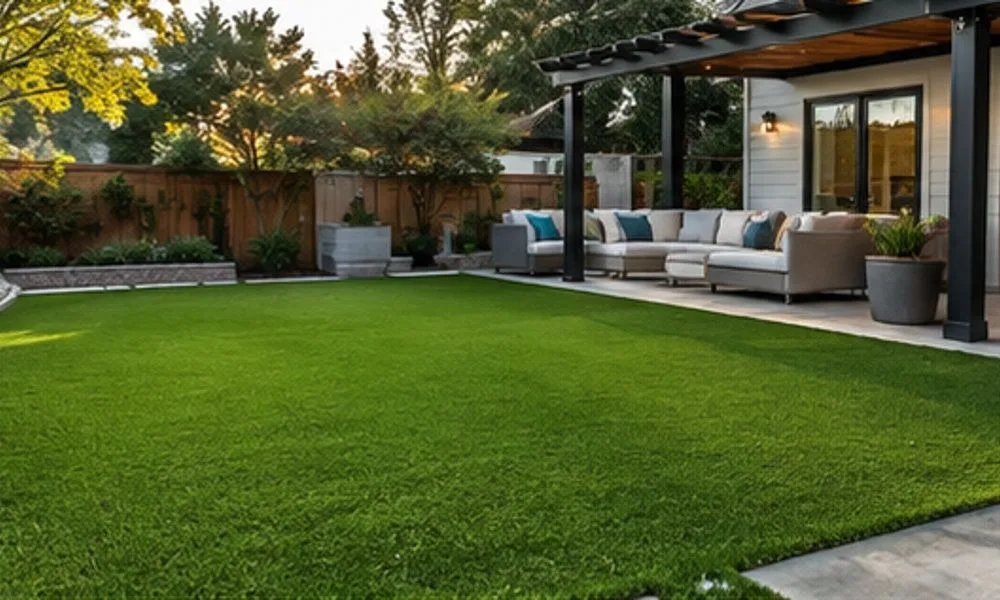
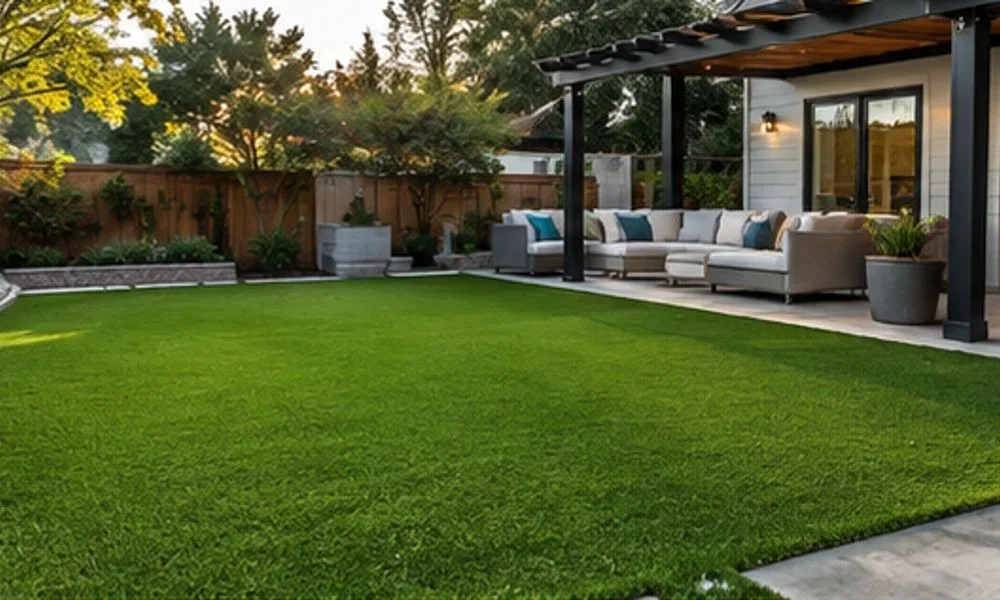
Before replacing a worn lawn, think about how your outdoor space is actually used. A family play area, a shaded garden and a busy entertaining space each have different surface requirements.
For homeowners tired of mowing, reseeding and repairing bare patches, artificial grass can offer an alternative.
However, choosing artificial turf for a backyard involves more than finding a product that looks green. Drainage, surface temperature, installation quality and intended use all affect how well the lawn performs.
This guide explains what to consider before replacing natural grass with synthetic turf.
Is Artificial Grass a Good Choice for Backyards?
Artificial grass can work well in residential spaces where homeowners want a consistent appearance and less routine lawn maintenance.
Unlike natural grass, synthetic turf does not require mowing, fertilizing or regular irrigation to stay green.
It can also withstand certain types of foot traffic without developing the same bare patches that appear on living lawns.
However, artificial turf is not completely maintenance-free.
It still requires cleaning, debris removal and occasional brushing. Some installations may also need periodic inspection of seams, edges and infill.
The suitability of artificial turf depends on the property and how the space will be used.
For example, a quiet decorative lawn has different requirements from a backyard used daily by children and dogs.
What Type of Artificial Grass Is Best for a Backyard?
The best artificial grass is a product suited to your climate, usage and desired appearance.
Important characteristics include:
- Fiber density
- Pile height
- Blade shape
- Backing construction
- Drainage capacity
- UV resistance
- Surface texture
- Installation requirements
A taller pile can create a lush appearance, but it may require more brushing to maintain its look in frequently used areas.
Shorter, denser turf may be easier to maintain in certain high-traffic applications.
Homeowners exploring artificial grass for backyard installation should compare products based on actual usage rather than appearance alone.
How Is an Artificial Lawn Installed?
A successful installation begins beneath the visible grass.
Step 1: Evaluate the Existing Surface
The installer examines soil conditions, grading, drainage and the intended use of the area.
Standing water or poor drainage should be addressed before installation.
Step 2: Prepare the Ground
Existing vegetation and unsuitable materials may need to be removed.
The required excavation depth depends on site conditions and the selected system.
Step 3: Install the Base
An appropriate aggregate or engineered base supports stability and drainage.
Proper compaction helps reduce future settlement and uneven areas.
Step 4: Position the Turf
Turf sections are positioned with attention to blade direction, seams and overall appearance.
Step 5: Secure and Finish
Edges are secured according to the installation system.
Infill may be added where required, followed by brushing and final inspection.
Skipping preparation stages can lead to visible seams, uneven surfaces or drainage problems.
Does Artificial Grass Drain Rainwater?
Many landscape turf systems are designed to allow water to pass through the backing.
However, drainage performance depends on the entire installation.
Water must pass through the turf, base and surrounding soil or drainage system.
A permeable turf product installed over a poorly draining foundation may still develop standing water.
Before installation, ask how water will move away from the surface.
This is especially important in yards with low spots or frequent heavy rainfall.
Does Artificial Turf Get Hot in Summer?
Yes. Artificial turf can become significantly hotter than natural grass under direct sunlight.
Actual temperature depends on weather, turf colour, fiber design, infill, shade and surrounding surfaces.
This matters for children, pets and anyone walking barefoot.
Before installation, consider how much direct sunlight the area receives.
Shade structures, landscaping and careful product selection can improve usability, but no turf surface should be assumed to remain cool in all conditions.
Check surface temperature before allowing barefoot play on very hot days.
Artificial Grass for Families With Dogs
A backyard shared with pets has different requirements from a decorative lawn.
Dogs may run repeatedly along fences, use the same bathroom area and spend time lying on the surface.
This makes drainage and cleaning especially important.
Pet owners should consider pet-friendly artificial turf designed for the practical demands of animal use.
Ask about waste removal, rinsing procedures, odor management and the underlying drainage system.
Also provide shaded resting areas and access to drinking water.
Can Artificial Turf Be Installed Near a Swimming Pool?
Yes, provided the installation is suitable for the site.
Synthetic turf may be used around selected pool areas as a landscaping surface.
However, pool surroundings require additional attention to drainage, slip resistance, cleaning and exposure to pool chemicals.
The surface should also be evaluated for heat buildup.
Homeowners planning a combined lawn and pool renovation can explore artificial grass for pool surrounds to understand the available application.
Artificial Grass vs Natural Grass: Which Is Better?
Neither option is universally better.
Natural grass provides living vegetation and can help cool its immediate surroundings through evapotranspiration.
It also supports certain ecological functions that artificial turf does not provide.
Artificial turf can reduce mowing and irrigation requirements while maintaining a consistent appearance.
However, synthetic materials have manufacturing, maintenance and end-of-life environmental considerations.
The decision should reflect the property's conditions, local climate, water availability and intended use.
How Much Does Backyard Artificial Grass Cost?
Installation costs vary according to several factors.
These include:
- Lawn size
- Site access
- Ground preparation
- Drainage improvements
- Turf specifications
- Existing material removal
- Edging
- Installation complexity
A small backyard with easy access may require different preparation from a sloped property with drainage issues.
Request a detailed estimate showing what is included.
The cheapest quote may not provide the same base construction or drainage solution.
How to Maintain a Synthetic Lawn
Routine maintenance helps preserve appearance and usability.
Remove leaves and debris before they accumulate.
Clean spills promptly using suitable methods.
Brush high-traffic areas as recommended by the manufacturer.
Pet areas require additional waste removal and cleaning.
Inspect edges and seams periodically, especially after unusual weather or heavy use.
Avoid applying chemicals or using powered equipment without checking the turf manufacturer's guidance.
Common Installation Mistakes to Avoid
Ignoring Drainage
A poorly draining base can create recurring water problems.
Choosing Turf Only by Colour
Fiber construction, backing and intended use also matter.
Overlooking Surface Heat
Full-sun areas may require additional planning.
Poor Seam Alignment
Visible seams can affect the finished appearance.
Forgetting Future Maintenance
Even low-maintenance landscapes require routine care.
Plan around the way your family uses the yard
Mark the areas where people walk, children play and furniture sits before choosing artificial grass for backyard projects. Ask the installer to assess existing slopes and identify where runoff can discharge legally. A shaded corner may need a different maintenance routine from an exposed seating area. Request a sample and inspect it outdoors rather than relying on showroom lighting.
Frequently Asked Questions
1. How long does artificial grass last in a backyard?
Service life depends on the product, installation quality, climate, traffic and maintenance. Review the manufacturer's specific warranty conditions.
2. Can artificial grass be installed over soil?
Yes, but proper ground preparation and a suitable base are generally required.
3. Does artificial turf need watering?
It does not need irrigation for plant growth, although occasional rinsing or cleaning may be necessary.
4. Is artificial grass suitable for shaded yards?
It can be useful in areas where natural grass struggles due to limited sunlight, provided drainage and site conditions are suitable.
5. Can children play on artificial turf?
Yes, on a properly selected and maintained surface, but surface heat and the intended activity should be considered.
Plan a Backyard That Works for Your Lifestyle
Artificial grass can provide a practical landscape option for homeowners looking to reduce routine lawn care.
The best results come from choosing suitable materials, preparing the base properly and understanding long-term maintenance.
FieldTurf Landscape offers residential synthetic turf solutions and connects homeowners with installation professionals.
Thinking about artificial grass for your backyard?
Contact FieldTurf Landscape or call 1-866-352-4575 to discuss your property and available turf options.