
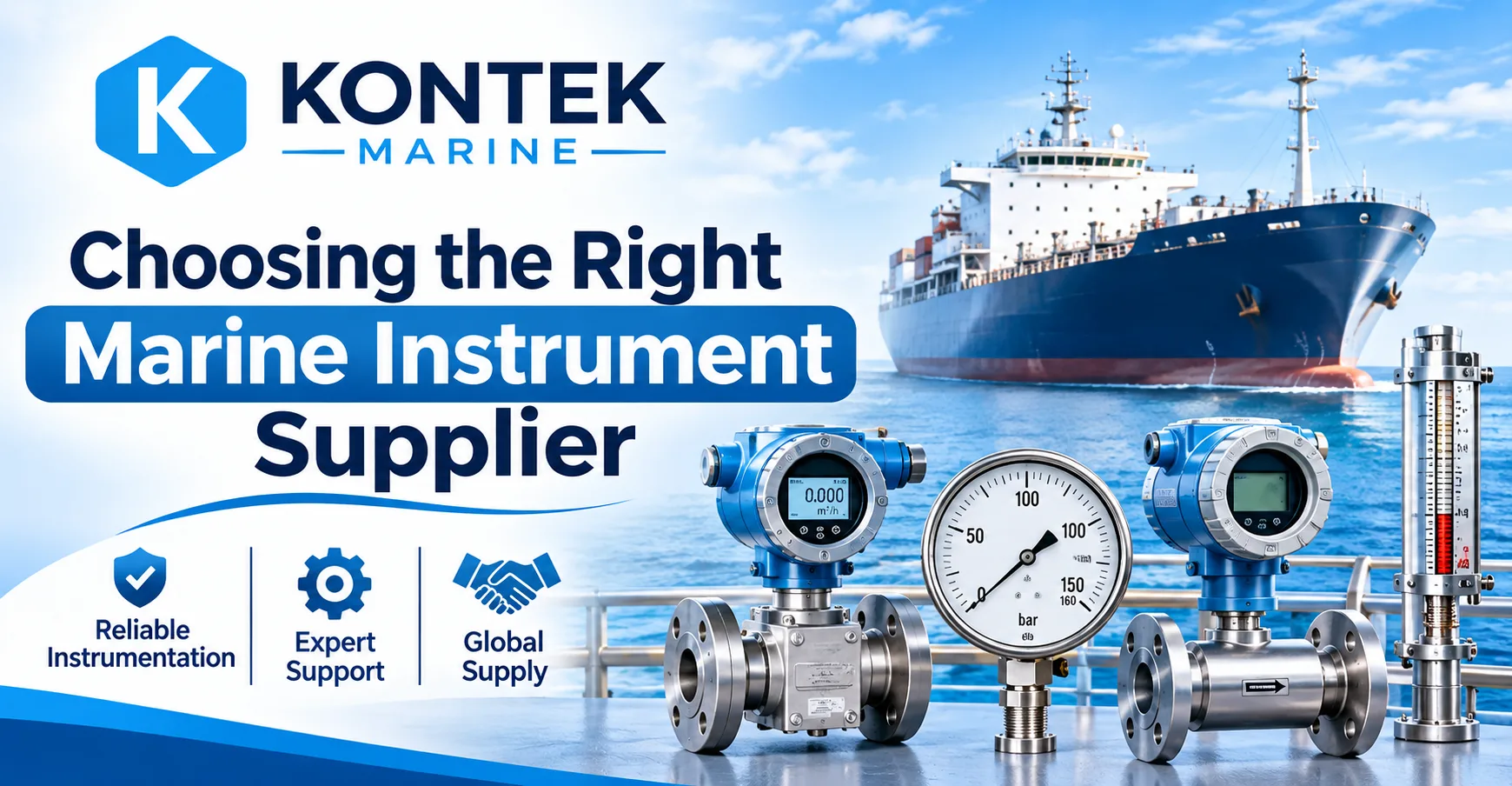
Reliable Ship Instrument Parts: What to Know
A vessel is only as dependable as the instruments guiding it. Pressure gauges, temperature sensors, flow meters, level transmitters and bridge displays tell crews what is happening in the engine room, on deck and at the helm. When one fails at sea, the result can range from a nuisance alarm to a costly delay or a safety incident. Choosing the right marine instrumentation parts supplier is therefore an operational decision, not just a purchasing task.
Why Durable Ship Instruments Matter
Marine environments are harsh on equipment. Salt-laden air corrodes housings and connectors, constant vibration loosens fittings and fatigues solder joints, and temperature swings between a cold deck and a hot engine room stress seals and electronics. An instrument that performs well in a workshop may drift or fail within months on a working vessel.
Durability affects more than uptime. Inaccurate readings can hide developing problems, such as a slowly falling lubricating oil pressure or a creeping exhaust temperature, until damage is already done. Reliable instruments give engineers early warning, support condition-based maintenance and reduce unplanned port calls.
When assessing durability, look for:
- Corrosion-resistant materials, such as stainless steel or marine-grade alloys
- Sealed enclosures with appropriate ingress protection ratings
- Vibration and shock resistance suited to engine rooms and open decks
- Stable calibration over long service intervals
Paying slightly more for robust parts usually costs less than repeated replacements and emergency repairs.
How to Vet a Supplier
Even excellent parts mean little if the company behind them cannot deliver consistently. Before committing, evaluate any ship instrumentation equipment supplier against clear criteria.
Verify genuine, traceable products. Counterfeit and grey-market components are a known risk in the marine sector. Ask for manufacturer documentation, batch or serial traceability and certificates of conformity. A trustworthy supplier will provide them without hesitation.
Check technical depth. The best suppliers can discuss measurement ranges, signal types, materials and installation conditions, not just quote a price. If they can't match a part to your system's specifications, mistakes become likely.
Confirm range and availability. Vessels operate on tight schedules. A supplier with broad inventory, or reliable access to manufacturers, can shorten lead times and help you avoid waiting weeks for a single sensor.
Review logistics and support. Ask about global shipping, port-side delivery, packaging for marine transit and responsiveness after the sale. Good after-sales support, including help with installation queries or warranty claims, signals a long-term partner.
Look for transparent quality processes. Quality management certification, inspection records and clear return policies all indicate a disciplined operation.
A dependable marine instrumentation parts supplier should welcome these questions. You can learn more about one such provider's approach and product focus on the Kontek Marine homepage, which is a useful reference point when building your own shortlist.
Understanding Compliance Standards
Ship instruments don't operate in a regulatory vacuum. Depending on the vessel type, flag state and trading area, equipment may need to meet requirements set by international conventions and classification societies.
The International Maritime Organization (IMO) sets the global framework through conventions such as SOLAS (Safety of Life at Sea), which governs navigation, machinery and safety equipment. Classification societies such as DNV, Lloyd's Register, ABS and Bureau Veritas add technical rules and type-approval schemes. Electrical and electronic instruments also commonly reference IEC standards for performance and environmental testing.
For buyers, this means confirming that a part is:
- Type-approved or certified where the application requires it
- Documented, with certificates available for class surveys and port state inspections
- Compatible with the vessel's approved configuration
Using non-compliant or undocumented components can cause failed surveys, detentions or insurance complications. For authoritative guidance, consult the International Maritime Organization, which publishes conventions and updates relevant to shipboard equipment. A capable ship instrumentation equipment supplier will already understand these requirements and help you select parts that satisfy them.
Repairs and Part Replacement
Even the best instruments eventually wear out, drift out of calibration or suffer damage. Knowing when to repair and when to replace saves money and downtime. Repair often makes sense for high-value instruments with minor faults, while replacement is better for aging units with recurring problems, obsolete models or parts no longer supported by the manufacturer.
Planning matters here. Keeping critical spares onboard, tracking calibration schedules and documenting failures all shorten response times. If you need support with repairs or replacement components, the marine spare and service page outlines what is available so you can match your requirements to the right solution.
Final Thoughts
Reliable ship instruments protect crews, cargo and schedules. Prioritize durability, vet suppliers on traceability, technical knowledge and support, and make sure every part meets the compliance standards your vessel requires. A proven marine instrumentation parts supplier turns routine procurement into a real safeguard for operations.
Ready to source dependable parts or discuss a specific requirement? Contact the team to get started.
FAQs
1. How often should ship instruments be calibrated?
It depends on the instrument, manufacturer guidance and class requirements. Many critical instruments are checked annually or during scheduled surveys, but follow your planned maintenance system.
2. How can I spot counterfeit marine instrument parts?
Watch for missing certificates, inconsistent labeling, unusually low prices and unclear sourcing. Always request traceability documents from the supplier.
3. Can I use non-OEM parts?
Sometimes, provided they match the specifications, hold the required approvals and are accepted by your class society. Confirm compatibility before installation.
4. What documents should come with a purchase?
Typically a certificate of conformity, test or calibration certificates where relevant, and manufacturer datasheets. Class-approved items may need additional type-approval papers.
5. Which spare instruments should I keep onboard?
Prioritize items critical to safety and propulsion, such as pressure and temperature sensors on main systems, plus anything with long lead times.