Healthy knees are essential for maintaining an active and independent lifestyle. However, conditions such as osteoarthritis, cartilage damage, and age-related joint degeneration can make everyday movements increasingly uncomfortable. People experiencing persistent knee pain may eventually require advanced orthopedic treatment when medication, exercise, and physiotherapy no longer provide sufficient relief.
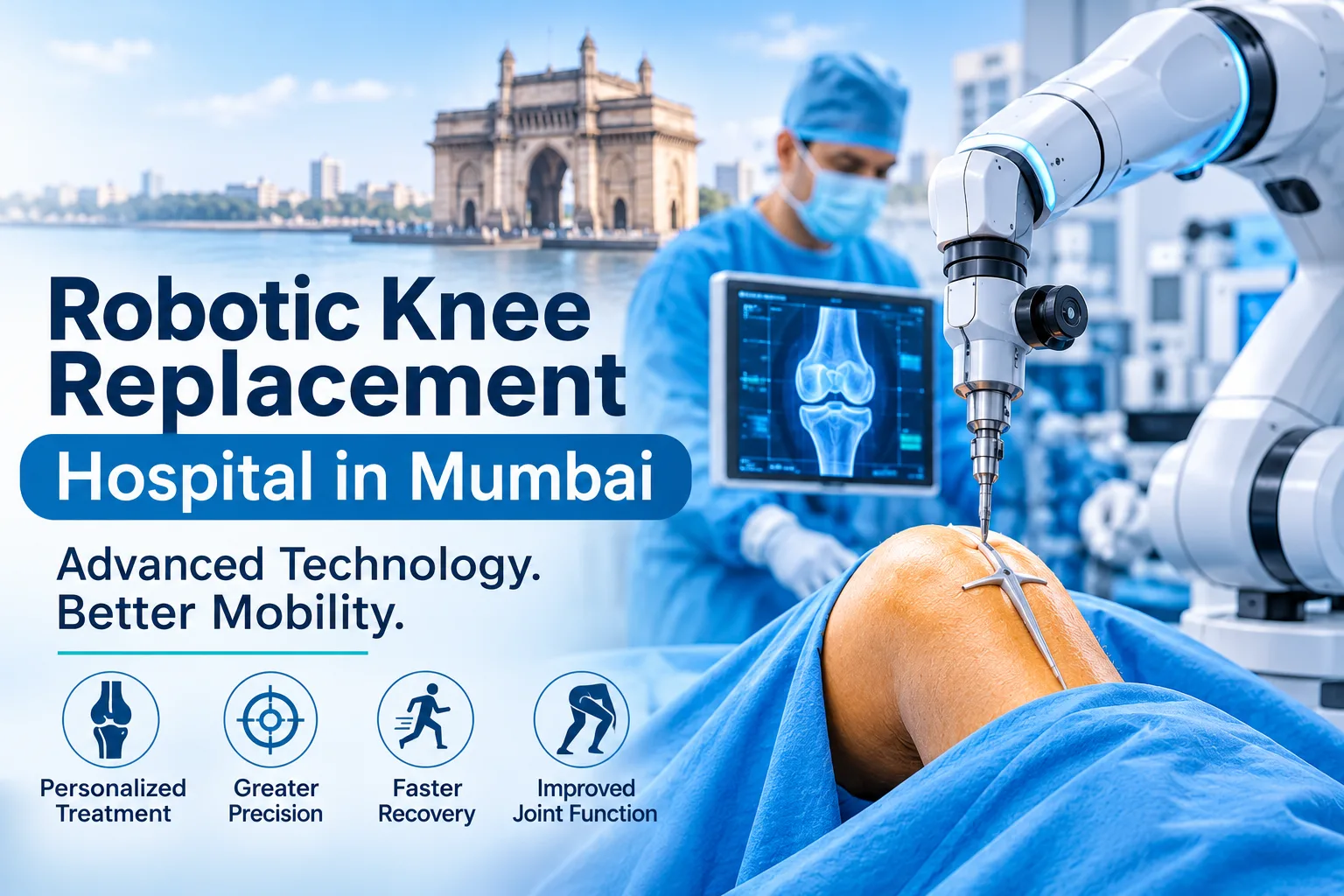
With advancements in medical technology, robotic-assisted knee replacement has become an important option in modern orthopedic care. Patients searching for a reliable Robotic Knee Replacement Hospital in Mumbai can explore how this technology supports surgeons in planning and performing knee replacement procedures.
The Growing Role of Robotic Technology in Orthopedics
Traditional knee replacement surgery has helped many patients manage severe joint damage. However, modern robotic-assisted systems provide additional technological support during surgical planning and selected steps of the procedure.
These systems help surgeons assess knee anatomy, evaluate joint alignment, and plan implant positioning according to individual patient requirements.
Robotic assistance does not replace the surgeon. Instead, it works as a supporting technology while the orthopedic specialist remains responsible for surgical decisions and treatment.
Common Knee Conditions That May Require Replacement
Several medical conditions can lead to severe knee joint damage. Some of the most common include:
- Osteoarthritis: Gradual deterioration of joint cartilage that causes pain and stiffness.
- Rheumatoid Arthritis: An inflammatory condition that can damage the knee joint.
- Post-Traumatic Arthritis: Joint degeneration following an earlier knee injury.
- Advanced Cartilage Damage: Loss of protective cartilage that affects comfortable joint movement.
- Severe Joint Deformity: Changes in knee alignment that may affect walking and mobility.
An orthopedic surgeon evaluates the patient's symptoms, medical history, and diagnostic reports before recommending an appropriate treatment.
How Robotic-Assisted Knee Replacement Works
Robotic-assisted knee replacement involves a combination of surgical expertise and computer-assisted technology.
The process generally includes:
Initial Assessment: The orthopedic specialist examines the knee joint and evaluates the severity of joint damage.
Surgical Planning: The robotic system helps the surgeon create a personalized surgical plan based on the patient's anatomy.
Surgical Procedure: The surgeon uses robotic assistance during selected stages of bone preparation and implant positioning.
Post-Surgical Rehabilitation: Following surgery, patients receive guidance regarding movement, physiotherapy, and follow-up care.
The exact surgical approach depends on the patient's condition and the surgeon's clinical assessment.
Important Factors When Selecting a Knee Replacement Hospital
Selecting the right hospital is an important part of the treatment journey. Patients should consider several factors before choosing a healthcare facility.
- Availability of modern orthopedic surgical technology.
- Experienced orthopedic surgeons and supporting medical professionals.
- Proper diagnostic and pre-operative assessment facilities.
- Comprehensive post-operative monitoring.
- Access to physiotherapy and rehabilitation guidance.
- Clear communication about treatment costs and expected recovery.
A good treatment plan should focus on the patient's overall health, comfort, and long-term mobility.
Advanced Orthopedic Care at Navkaar Hospitals, Mumbai
Navkaar Hospitals, located in Bhandup West, Mumbai, provides orthopedic services, including robotic-assisted knee replacement.
The hospital utilizes the Smith+Nephew CORI robotic surgical system to assist orthopedic surgeons during knee replacement procedures. This technology supports personalized surgical planning and provides additional guidance during selected stages of surgery.
Patients experiencing chronic knee pain, stiffness, reduced mobility, or advanced arthritis can seek an orthopedic consultation to understand their condition and available treatment options.
Navkaar Hospitals aims to support patients through the treatment process, including medical evaluation, surgical care, post-operative monitoring, and rehabilitation guidance.
Why Is Rehabilitation Important After Knee Replacement?
Surgery is only one part of the knee replacement journey. Rehabilitation is equally important for helping patients regain strength and improve joint movement.
A supervised physiotherapy program may include:
- Gentle knee movement exercises.
- Muscle-strengthening activities.
- Walking and balance training.
- Gradual improvement in flexibility.
- Guidance for performing everyday activities.
Recovery differs between individuals, so patients should follow the rehabilitation schedule recommended by their medical team.
Final Thoughts
Robotic-assisted knee replacement is bringing new possibilities to modern orthopedic treatment. By combining surgical expertise with advanced technology, it supports personalized planning and precision during selected stages of knee replacement surgery.
If you are searching for a Robotic Knee Replacement Hospital in Mumbai, Navkaar Hospitals can be an option to explore for orthopedic consultation and robotic-assisted knee replacement services.
Understanding your knee condition and discussing suitable treatment options with an experienced orthopedic specialist is the first step towards better joint health and mobility.