
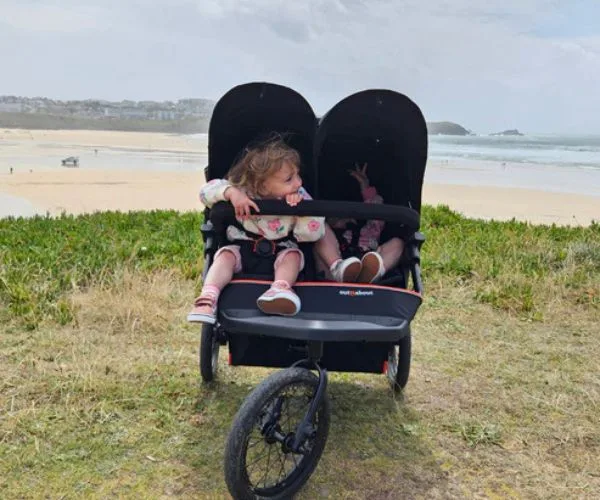
Running with a pushchair is one of the most rewarding ways to stay active after having children. It combines exercise with family time, gets everyone outside, and keeps your fitness routine alive during a stage of life when solo workouts can feel almost impossible. However, running with a pushchair is not without rules, and understanding the age, speed, and terrain guidelines that apply is essential for keeping both your child and yourself safe every time you head out.
Why Running Pushchair Safety Is Not Optional
A running pushchair is specifically engineered to handle the forces and dynamics that jogging creates: the increased forward momentum, the vibration from varied terrain, and the need for greater steering stability at pace. A standard buggy or everyday double stroller is not designed with these forces in mind. Using the wrong pushchair to run places your child at risk of an unsafe ride and reduces the level of control you have as the runner.
Beyond the equipment itself, there are important developmental considerations around the age at which a child is physically ready to be pushed at running pace. Understanding these rules protects your child's neck, spine, and overall comfort during each outing.
The Age Rule: When Is It Safe to Start Running With a Pushchair?
Running With a Single Child
The widely accepted guidance is that babies should not be taken jogging in a running pushchair until they are at least six months old and have sufficient neck and head muscle strength to handle the motion safely. Before six months, a baby's musculature is not developed enough to absorb the repetitive jolting that even a smooth run produces.
For parents keen to run sooner after birth, gentle walking with a well-cushioned buggy is the safer alternative for the early months. Once your baby reaches six months and has good head control, a certified running pushchair used on even, smooth terrain becomes appropriate.
Running With Two Children in a Double Buggy
The same minimum age of six months applies to the youngest child when using a double buggy for running. If you have a newborn and a toddler, it is advisable to wait until your youngest reaches that developmental milestone before jogging, even if your older child is well beyond the threshold. The structure and suspension of a well-designed double buggy built for running will help manage the load, but the age rule applies regardless of the equipment.
Speed Rules: How Fast Is Too Fast?
There is no universally mandated maximum speed for running with pushchair use, but common sense and the design limits of your equipment should guide you. Most certified running pushchairs are designed for jogging and recreational running rather than high-performance racing. If you are pushing hard intervals at sprint pace, consider whether the pushchair you are using and, more importantly, the child inside it can safely cope with that level of exertion and speed.
Downhill Running and Speed Management
Descents are where speed becomes genuinely critical. A running pushchair carrying one or two children picks up momentum quickly on a slope, and losing control is a serious risk. Models designed for running, particularly those for use as a double buggy on varied terrain, often include a hand brake specifically for managing speed on descents. If your pushchair does not have a hand brake and you are running on hilly routes, reconsider either the route or the equipment.
Terrain Rules: Not All Surfaces Are Equal
Road and Pavement Running
Smooth, even terrain is the safest and most appropriate surface for running pushchair use from the minimum recommended age. Paved paths, cycle routes, and flat park footpaths offer predictable ground that your pushchair can handle with confidence. Most running pushchairs perform well on these surfaces from six months onwards.
Trail and Off-Road Running
Trail running with a pushchair introduces additional variables: roots, stones, uneven camber, and sudden drops. Not all running pushchairs are designed for serious off-road use. If trail running is your intention, you need a pushchair with larger air-filled tyres, robust suspension, and ideally a fixed or lockable front wheel for enhanced stability on rough ground. Attempting off-road trail running with a standard double stroller or a kids wagon is unsafe and not recommended.
Surfaces to Always Avoid
Loose gravel at high speed, steep uneven paths, and wet muddy descents without a handbrake represent conditions where caution should override your training plan. If in doubt, walk it.
Choosing the Right Running Pushchair for Two Children
For parents who want to run with two children, the range of double pushchairs from Out 'n' About offers purpose-built options designed specifically with running in mind. The Nipper Double V6 supports jogging on even terrain from six months, while the Nipper Double V6 Plus goes further as the first swivel-lock front-wheel double buggy certified for running under BS EN 1888-2:2023. It features 14" wheels, a handbrake for downhill control, and the structural integrity needed for regular running use with two children on board.