Sports and physical activities offer many benefits, including improved strength, endurance, coordination, and overall well-being. However, injuries can sometimes interrupt training, competition, and everyday routines. From muscle strains and ligament sprains to joint discomfort and overuse injuries, physical problems can make it difficult to participate in favorite activities. Recovery often requires patience, proper movement, and a plan that addresses the injury while helping restore physical function. Physical Therapy for Sports Injuries can play an important role in helping individuals recover, improve mobility, and gradually return to their desired level of activity.
Sam's Physical Therapy, P.C. understands that every sports injury affects a person differently. An athlete may struggle with running, lifting, jumping, throwing, or even walking comfortably after an injury. Treatment needs can vary depending on the affected area, injury severity, physical demands, and personal recovery goals. Physical therapy focuses on improving strength, flexibility, balance, coordination, and movement control through individualized care. With appropriate guidance, patients can work toward rebuilding physical abilities and developing habits that support a safer return to sports and recreational activities.
Understanding Common Sports Injuries and Their Impact
Sports injuries can happen during organized competition, recreational exercise, gym workouts, or everyday physical activities. Sudden movements, awkward landings, excessive force, repetitive motions, or inadequate recovery may contribute to injuries involving muscles, tendons, ligaments, and joints. Common examples include ankle sprains, knee injuries, shoulder strains, hamstring injuries, tennis elbow, and muscle soreness that develops from overtraining. Symptoms may include swelling, stiffness, tenderness, weakness, limited movement, or difficulty placing weight on an affected area.
Some injuries occur suddenly, while others develop gradually over time. Repetitive stress can affect tissues when the body does not have enough time to recover between workouts or when movement patterns place excessive strain on certain areas. Pain may initially seem minor but become more noticeable during activity or afterward. Recognizing changes in movement, discomfort, and physical performance can help individuals respond early and seek appropriate assessment before continuing activities that may aggravate their condition.
How Physical Therapy for Sports Injuries Supports Recovery
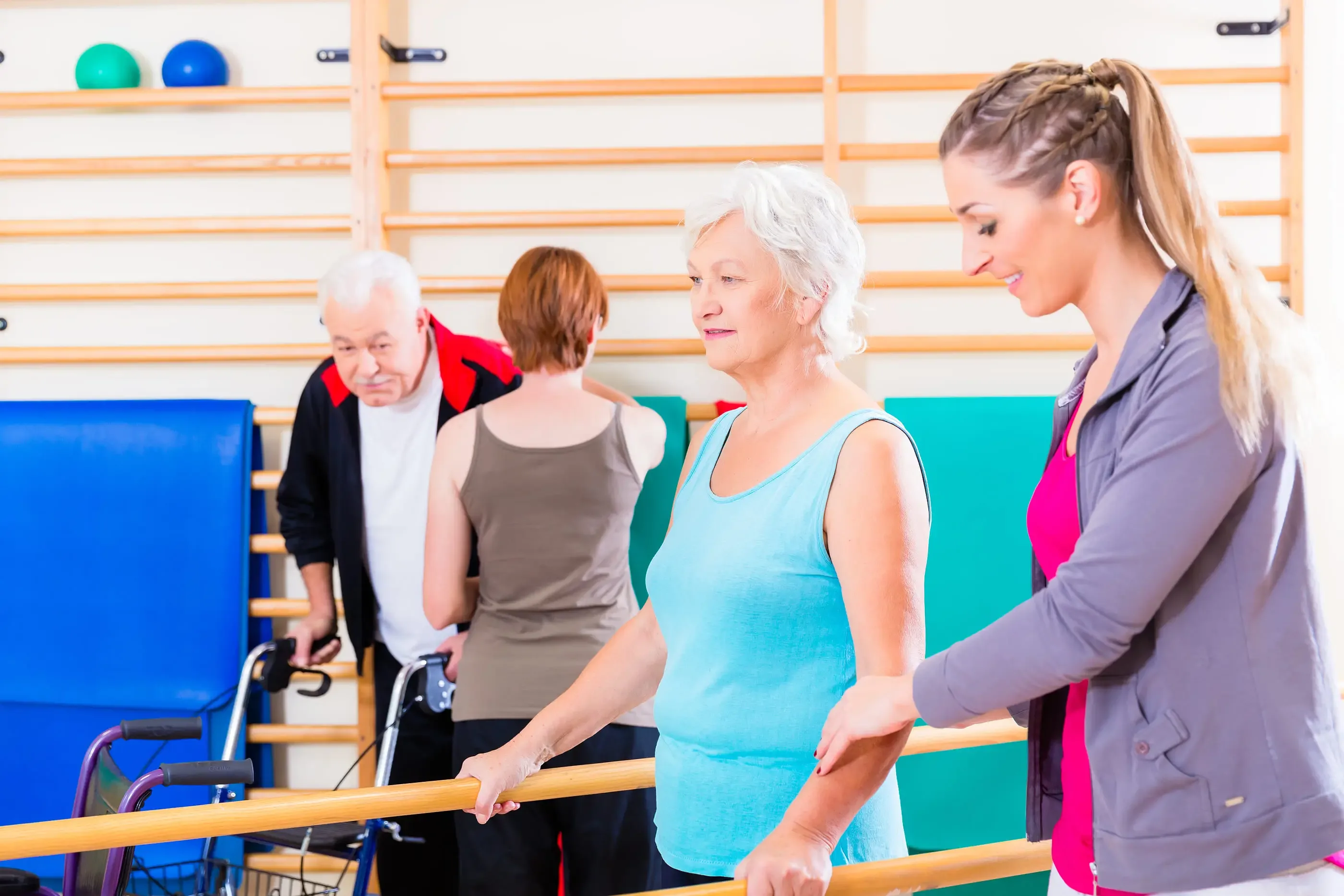
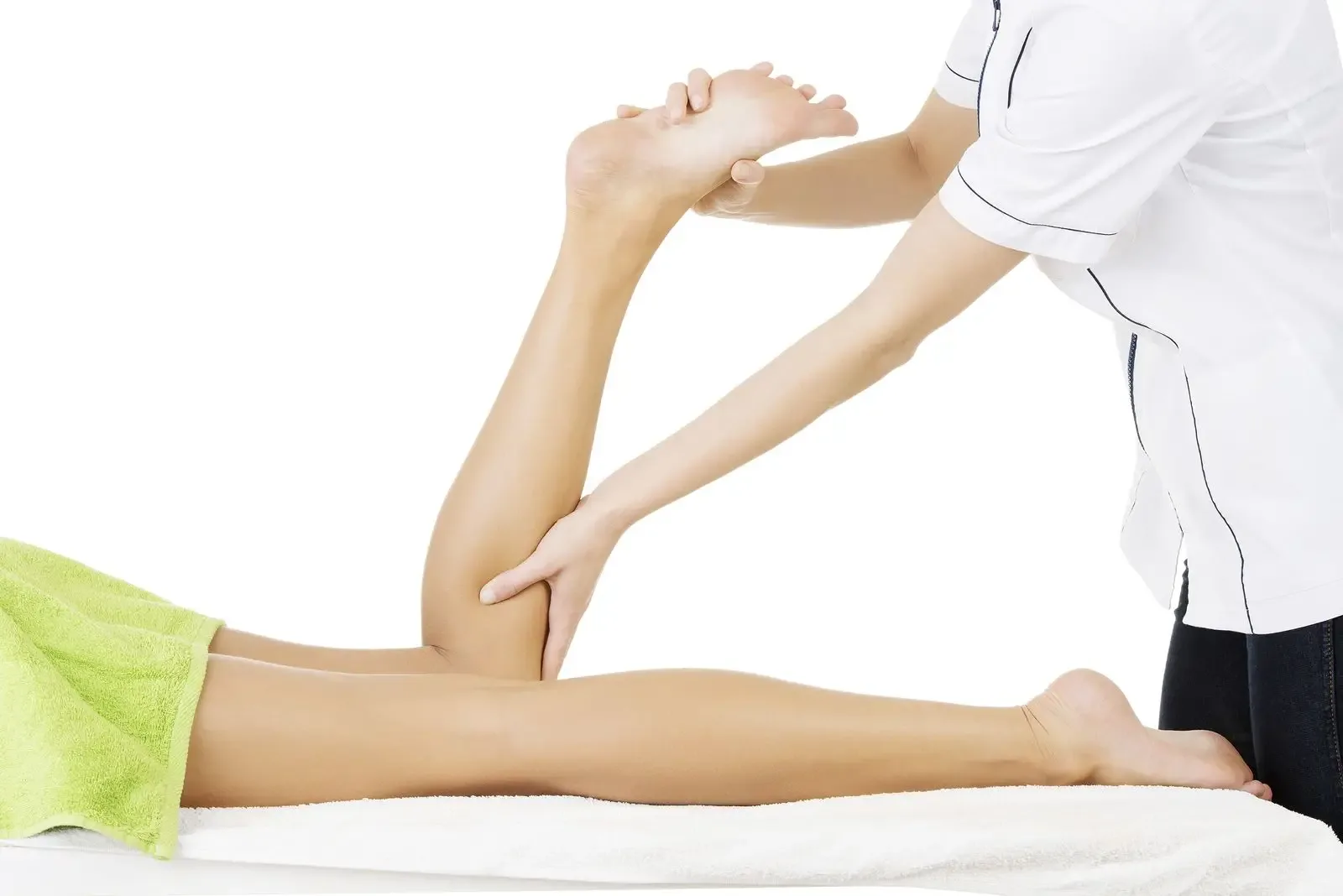
Physical Therapy for Sports Injuries focuses on identifying movement limitations and helping individuals regain the abilities affected by an injury. A physical therapist may assess joint mobility, muscle strength, balance, flexibility, coordination, and the way a patient performs specific movements. This evaluation helps guide treatment according to the injury and the activities the individual wants to resume. Rather than using a one-size-fits-all approach, therapy can be adjusted as recovery progresses and the patient's physical abilities change.
Treatment may include several strategies designed to improve movement, reduce physical limitations, and rebuild strength. Depending on the condition and individual needs, a program may involve:
- Therapeutic exercises to restore strength and flexibility.
- Mobility activities to improve comfortable joint movement.
- Balance and coordination training to support stability.
- Gradual loading exercises to improve tissue tolerance.
- Movement education to address potentially aggravating habits.
- Functional exercises that prepare patients for sport-related demands.
The intensity of these exercises is typically adjusted to match the patient's abilities and recovery stage. Early rehabilitation may focus on comfortable movement and basic strength, while later sessions may involve more challenging exercises. Gradually progressing through treatment can help individuals rebuild confidence and prepare their bodies for the physical requirements of their chosen activities.
Restoring Strength, Flexibility, and Athletic Movement
Strength plays an important role in recovery from many sports injuries. When an injury limits movement, affected muscles may become weaker because of reduced activity or discomfort. Weakness can also affect how the body distributes force during running, jumping, lifting, and other movements. Physical therapy exercises can help rebuild strength in the injured area while also improving support from surrounding muscles. This approach may help individuals perform daily activities more comfortably and prepare for more demanding physical tasks.
Flexibility and mobility are equally important during rehabilitation. Tight muscles or restricted joint movement may make certain activities difficult, especially when sports require quick changes in direction, reaching, stretching, or repeated movement. A therapist may introduce appropriate stretching, mobility exercises, and controlled movement practice to address these limitations. Improving flexibility does not mean forcing the body into painful positions. Instead, exercises are selected to encourage gradual progress while respecting the patient's current physical condition and recovery needs.
Preparing for a Safe Return to Sports and Exercise
At Sam's Physical Therapy, P.C., Returning to sports after an injury involves more than simply waiting until pain decreases. The affected area may need to regain strength, endurance, balance, coordination, and the ability to tolerate sport-specific movements. A person who feels comfortable walking may not yet be prepared for sprinting, jumping, cutting, or lifting heavy weights. Rehabilitation helps build these abilities progressively, allowing patients to work toward the physical demands of their activities rather than rushing into full participation.
A gradual return-to-activity program may include exercises that resemble the movements required during a sport. For example, runners may work on walking tolerance, controlled jogging, and gradually increasing distance. Basketball players may practice balance, jumping, landing, and directional changes as appropriate. Recreational athletes may focus on lifting mechanics, endurance, or improving control during repetitive activities. Progress depends on the injury, individual response, and professional recommendations. Paying attention to symptoms and allowing adequate recovery can help support a more responsible return to activity.
Preventing Future Injuries Through Better Movement Habits
Although not every sports injury can be prevented, developing healthy training habits may help reduce certain risk factors. Proper warm-ups, gradual increases in exercise intensity, adequate recovery, appropriate equipment, and balanced training routines can all contribute to better physical preparation. Athletes who repeatedly perform the same movements may also benefit from incorporating strength, mobility, and conditioning exercises that support different muscle groups and movement patterns.
Physical therapy can help individuals identify areas where strength, flexibility, balance, or movement control may need improvement. Patients may learn exercises that support their joints, improve coordination, and increase awareness of their physical limits. Avoiding sudden increases in training volume, recognizing early signs of overuse, and allowing the body time to recover are also valuable habits. Building a sustainable routine can support long-term participation in sports while helping individuals maintain confidence in their physical abilities.
Conclusion
Sports injuries can affect performance, mobility, strength, and the ability to enjoy physical activities. Whether an injury develops suddenly or gradually, proper rehabilitation can help individuals address physical limitations and work toward restoring function. Physical Therapy for Sports Injuries offers a structured approach that may include strengthening, mobility exercises, balance training, functional movement practice, and education tailored to individual needs.
Sam's Physical Therapy, P.C. recognizes the importance of personalized recovery plans that consider each patient's injury, activity level, and goals. With appropriate guidance and consistent effort, individuals can work toward improving physical abilities, returning to their favorite activities, and developing healthier movement habits. Taking recovery one step at a time can help support lasting progress and a more confident approach to staying active.