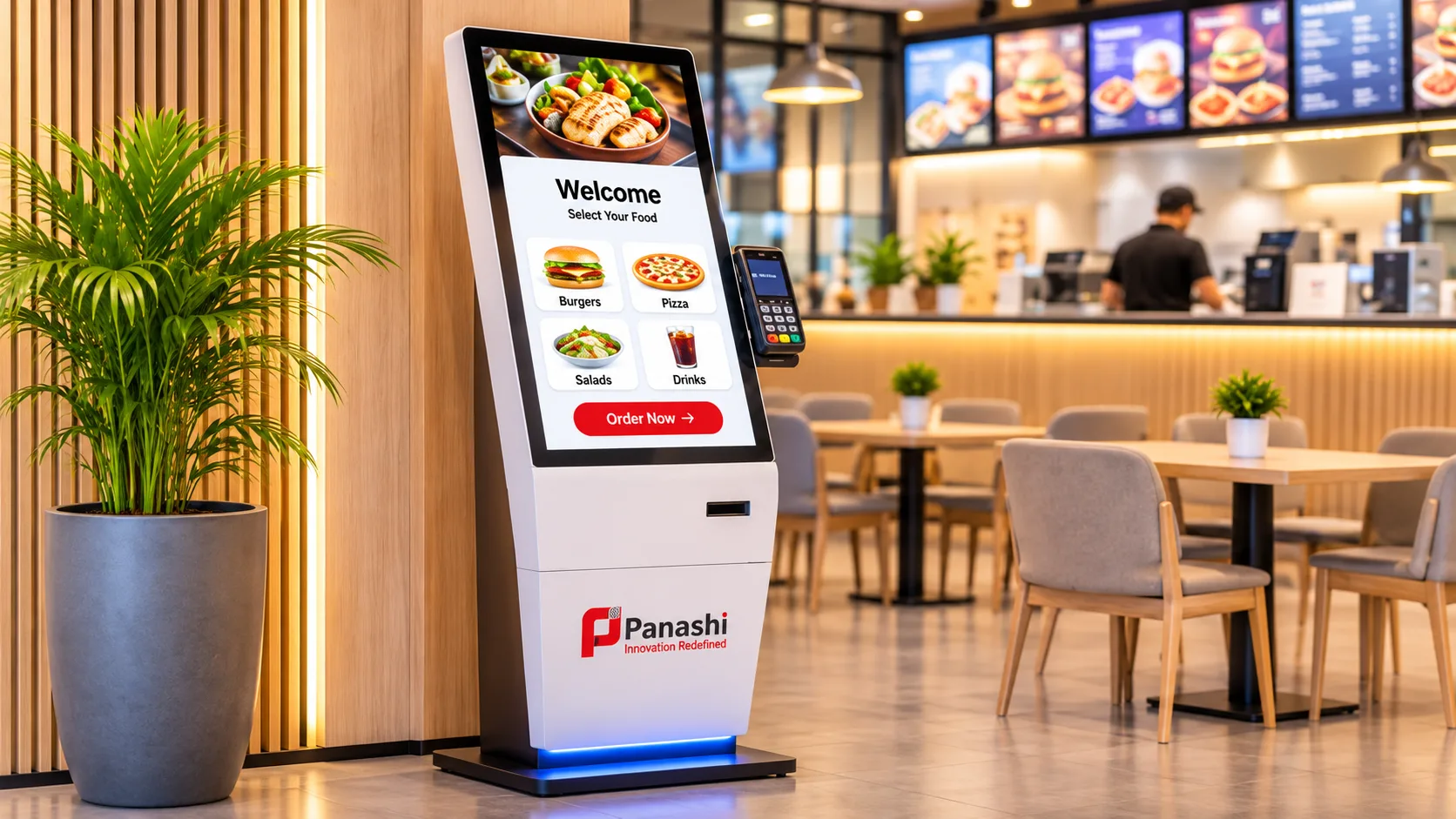
Restaurants in Saudi Arabia are adopting digital ordering to meet rising customer expectations for speed, convenience, and accurate service. A self ordering kiosk lets guests browse menus, customise meals, add extras, and pay independently. However, choosing the right system involves more than buying a touchscreen. Restaurant owners should consider the features that fit their menu, service flow, staff, and growth plans.
1. A Simple, Customer-Friendly Interface
An intuitive interface is one of the most important kiosk features. Customers should be able to find menu categories, understand item descriptions, adjust quantities, and complete checkout without confusion. Large buttons, readable text, clear images, and visible prices help users of different ages and digital skill levels.
A short ordering journey reduces frustration during busy periods. Restaurants should test screens with real customers and remove unnecessary steps wherever possible.
2. Menu Customisation That Reflects Real Orders
Food orders often include choices such as size, toppings, sauces, sides, and preparation preferences. The software should display these options clearly and allow customers to make selections without overlooking required choices.
A well-configured kiosk machine can also recommend relevant add-ons, such as a drink with a meal or a dessert after an order. Suggestions should be useful, transparent, and easy to skip, supporting upselling without making customers feel pressured.
3. Arabic and English Language Support
In Saudi Arabia, language options can make digital ordering more accessible to residents, visitors, and international customers. Arabic and English interfaces should be properly translated, not simply converted word by word. Menu names, instructions, modifiers, and payment prompts need to remain understandable in both languages.
Restaurants should also review layout and text direction so Arabic screens feel natural and easy to navigate.
4. Secure, Flexible Payment Options
Payment convenience is essential to completing a kiosk order. The system should support the restaurant’s preferred payment methods and connect with approved payment terminals or gateways. Clear confirmation, receipt options, and dependable handling of declined or interrupted transactions help customers trust the process.
Before deployment, operators should verify payment integration, transaction records, refunds, and reconciliation workflows.
5. Integration with Restaurant Systems
A kiosk should work with the restaurant’s existing technology rather than create another isolated channel. Integration with point-of-sale (POS) software, kitchen display systems, order management platforms, loyalty tools, and reporting can reduce manual entry and help orders reach preparation teams accurately.
For a growing restaurant group, integration also makes it easier to standardise menus, prices, and promotions across branches.
6. Hardware Built for the Restaurant Environment
A kiosk machine in Saudi Arabia should be selected with its location and daily use in mind. Consider screen size, stability, cable management, cleaning, ventilation, and resistance to frequent customer interaction. Floor-standing models may suit larger outlets, while countertop units can fit cafés with limited space.
Hardware selection should balance appearance, durability, accessibility, and maintenance—not just initial cost.
7. Remote Management and Useful Reporting
Restaurant managers need visibility into orders, menu performance, and system status. Centralised management can make updates easier across locations, while reports may help identify popular items, peak periods, abandoned orders, and sales patterns.
These insights support practical decisions: adjusting menu placement, planning staffing, or testing promotions. Data should be reviewed regularly and interpreted alongside customer feedback.
Restaurants should also plan for accessibility and dependable operation. Screen height, reach, contrast, and clear audio or visual feedback can help more customers use the service confidently. Staff must know how to assist when a customer needs help, when an item becomes unavailable, or when a device is offline. A service plan includes software updates, cleaning routines, spare parts, and support contact, keeping downtime from disrupting service overall.
Choosing a Kiosk Provider in Saudi
When comparing a kiosk provider in Saudi, restaurants should evaluate customisation, technical support, deployment experience, and integration capabilities. A supplier should understand the business process, offer suitable hardware and software, and help plan installation, training, and ongoing service.
Panashi FZCO Pvt Ltd provides self-service kiosk solutions that can be tailored to restaurant workflows, interface requirements, hardware configurations, and payment systems. Its experience across different industries supports deployments designed around each business environment.
Prepare for Expansion
A self service kiosk can help restaurants improve order flow, reduce pressure on counter staff, and provide a consistent customer experience. The right features depend on operational needs and the restaurant’s goals. Whether planning a kiosk machine in Saudi for one outlet or expanding a kiosk in Saudi Arabia across several branches, begin with a pilot, measure results, and refine the customer journey.
Restaurant technology should make service simpler for guests and employees. A carefully selected self ordering kiosk can become a dependable part of that strategy in Saudi Arabia and other markets, including the UAE, Oman, Kuwait, and Africa.