Plantation shutters are a timeless window furnishing option that combines architectural appeal with everyday functionality. Their adjustable louvres allow homeowners to manage natural light, privacy and airflow while creating a structured interior appearance.
From coastal properties in the Northern Beaches to traditional homes in Sydney's Eastern Suburbs, plantation shutters can complement a wide range of residential styles.
What makes plantation shutters different?
Unlike fabric curtains and blinds, plantation shutters consist of solid panels containing adjustable horizontal louvres.
The louvres can be tilted to change the amount of sunlight entering the room and adjust visibility from outside.
Their fitted design creates a permanent architectural feature that can complement existing window frames and interior finishes.
Flexible natural light control
One of the main advantages of plantation shutters is their adjustable louvre design.
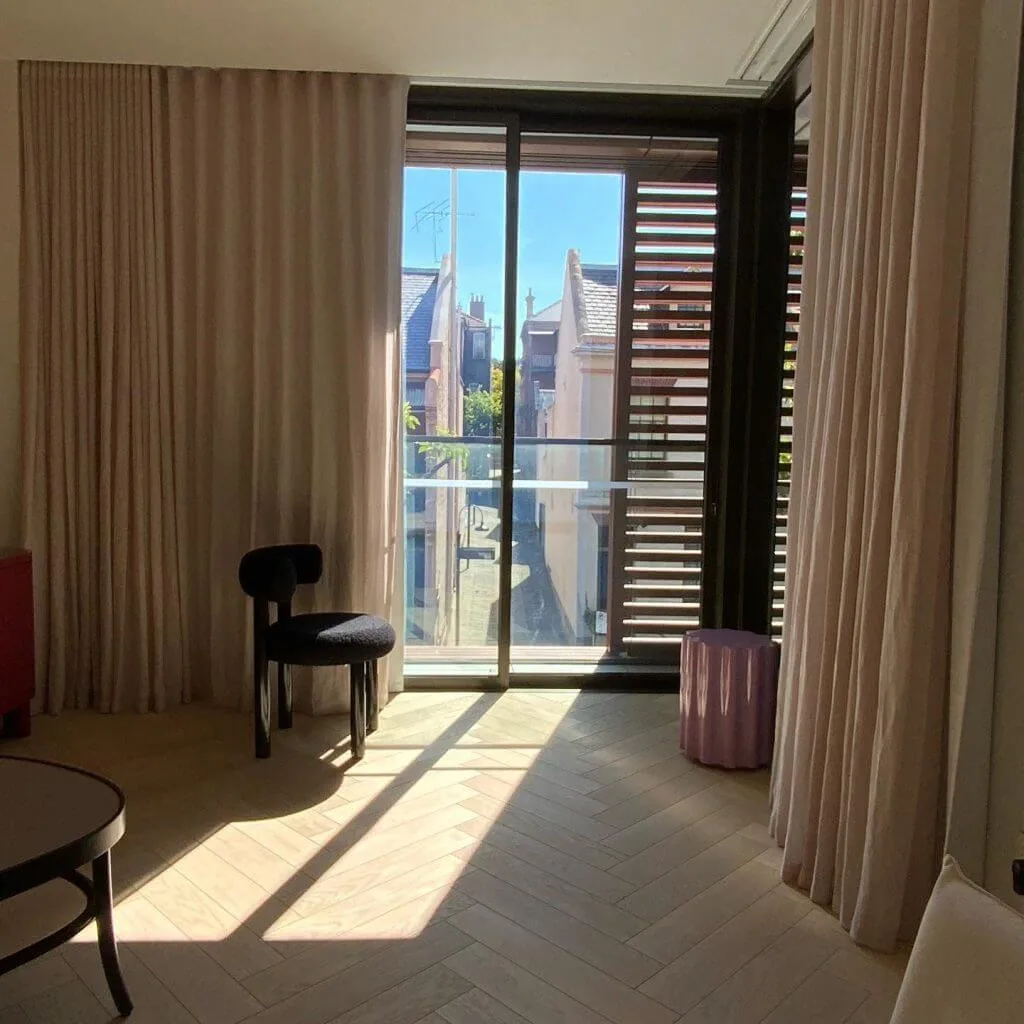
Homeowners can tilt the louvres to allow daylight into the room without fully exposing the interior to outside views.
This flexibility is useful in street-facing living rooms, bedrooms and properties located close to neighbouring homes.
Shutters can also help manage direct sunlight and reduce glare when positioned appropriately.
Improve privacy throughout the home
Privacy requirements vary depending on the location of your property and the function of each room.
Plantation shutters allow homeowners to adjust the angle of the louvres rather than completely covering or uncovering the window.
This provides greater flexibility for rooms where both daylight and privacy are important.
Professionally measured plantation shutters in Sydney can be fitted to individual window openings to achieve a neat and coordinated appearance.
Suitable for a variety of interior styles
Plantation shutters complement both traditional and contemporary homes.
White shutters are particularly popular in coastal interiors because they work well with natural timber flooring, neutral walls and light-coloured furnishings.
They can also suit heritage properties, Hamptons-inspired interiors and modern minimalist apartments.
Choosing the right louvre size, frame design and finish can help maintain consistency throughout the property.
Potential benefits for indoor comfort
Closed plantation shutters can create an additional barrier between the window and the interior of a room.
Depending on the shutter material, installation and window construction, this may help limit some heat transfer and reduce exposure to direct sunlight.
However, plantation shutters should be considered part of an overall home comfort strategy rather than a replacement for proper insulation or energy-efficient glazing.
Selecting the right shutter material
Different shutter materials are suitable for different environments.
Timber shutters can provide a natural decorative appearance, while suitable moisture-resistant materials may be preferable for bathrooms, laundries and other areas exposed to humidity.
Homeowners should consider environmental conditions, maintenance requirements and product specifications when selecting shutters.
Professional advice can help identify a suitable material for each room.
Easy everyday maintenance
Plantation shutters generally have accessible surfaces that can be dusted with a soft cloth or suitable cleaning tool.
Unlike fabric curtains, they do not normally require removal for routine cleaning.
Following the manufacturer's maintenance instructions can help preserve the finish and operation of the shutters over time.
Combining shutters with other window coverings
Plantation shutters work well alongside other window furnishings.
Bedrooms may benefit from additional blockout curtains, while living rooms with large sliding doors may be better suited to full-length sheer curtains.
Homeowners exploring custom window furnishings in Sydney can combine shutters, curtains and blinds to meet different functional requirements throughout the property.
Why professional installation matters
Plantation shutters require precise measurements to ensure the panels fit correctly and operate smoothly.
Window handles, frame depth, opening direction and surrounding architectural features must all be considered before manufacturing.
Professional installation helps achieve a suitable fit while reducing potential operational issues.
Conclusion
Plantation shutters offer an attractive combination of privacy, adjustable light control and architectural style. With appropriate material selection, accurate measurements and professional fitting, they can become a practical and visually appealing feature in Australian homes.