
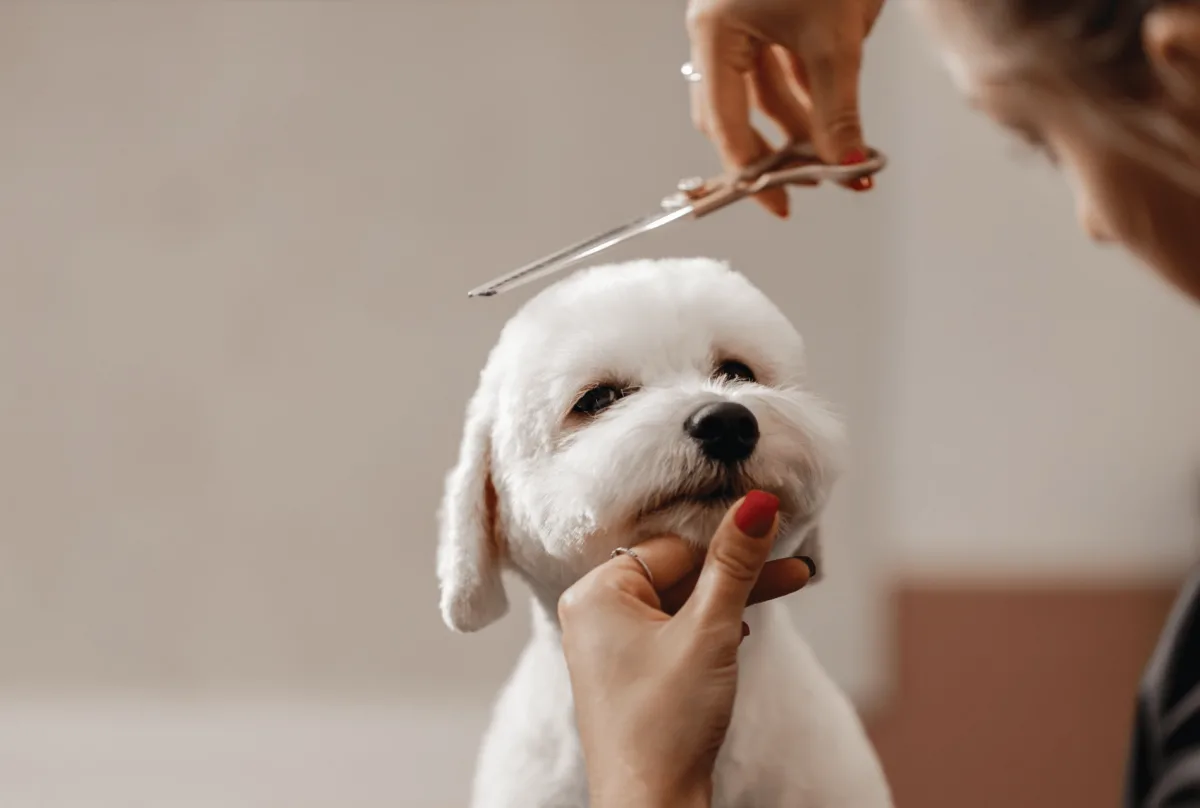
Why Dog Grooming Matters More Than You Think
Regular dog grooming is one of the most important investments you can make in your pet's long-term health and happiness. Most people think of grooming as a cosmetic concern — keeping their dog looking neat and smelling fresh — but the reality is that consistent grooming practices play a critical role in preventing skin conditions, detecting health problems early, and strengthening the bond between pet and owner. A well-groomed dog is not just a clean dog. It is a healthier, more comfortable, and happier companion that is easier to care for in every dimension of daily life.
Building a Grooming Routine That Works
The foundation of effective dog grooming is consistency. Dogs that are groomed regularly from puppyhood learn to tolerate and even enjoy the process, making each session faster and less stressful for both of you. Start by introducing grooming tools gradually, allowing your dog to sniff and investigate brushes, combs, and nail clippers before using them. Use positive reinforcement — treats, praise, and gentle handling — to associate grooming time with pleasant experiences. Over time, a dog that once squirmed and resisted will learn to sit calmly through brushing, ear cleaning, and nail trims.
Brushing for Every Coat Type
Different dog breeds have dramatically different coat types, and effective brushing technique varies accordingly. Short-coated breeds like Beagles and Boxers need only a weekly pass with a rubber curry brush or grooming mitt to remove loose hair and distribute natural skin oils. Medium-coated breeds like Golden Retrievers and Border Collies benefit from brushing two to three times per week with a slicker brush and comb to prevent matting in the feathered areas around the ears, chest, and legs. Long-coated breeds like Shih Tzus, Maltese, and Afghan Hounds require daily brushing with a pin brush and detangling comb to prevent painful mats that can trap moisture and harbor bacteria against the skin.
Double-Coated Breeds and Shedding Management
Double-coated breeds — including Huskies, German Shepherds, Golden Retrievers, and Pomeranians — present unique grooming challenges because they carry a dense undercoat beneath their outer guard hair layer. This undercoat sheds heavily during seasonal transitions, and without proper grooming management, it can mat close to the skin and impair the coat's natural insulating function. An undercoat rake or deshedding tool used two to three times per week during shedding seasons will dramatically reduce the amount of loose hair that ends up on your furniture while keeping your dog's coat and skin in excellent condition.
Ear Care as Part of Complete Grooming
Ear care is one of the most commonly overlooked components of comprehensive dog grooming, yet it is among the most important for preventing painful and potentially serious infections. Dogs with floppy ears — Cocker Spaniels, Basset Hounds, Labrador Retrievers — are particularly prone to ear infections because the drooping ear flap traps moisture and limits airflow in the ear canal. Check your dog's ears weekly for redness, discharge, odor, or excessive scratching. Use a vet-approved ear cleaning solution and cotton balls to gently wipe the visible portion of the ear canal, avoiding deep insertion that could damage the eardrum.
Teeth and Oral Hygiene in Your Grooming Routine
Dental disease is one of the most prevalent health conditions affecting domestic dogs, with studies estimating that the majority of dogs over three years of age show signs of periodontal disease. Incorporating tooth brushing into your regular grooming routine is the single most effective way to prevent dental disease, bad breath, and the associated systemic health problems that oral bacteria can cause. Use a soft-bristled toothbrush and dog-formulated toothpaste — never human toothpaste, which contains ingredients toxic to dogs — and aim for brushing three to four times per week at minimum, with daily brushing being the gold standard.
When to Visit a Professional Groomer
Home grooming covers the day-to-day maintenance that keeps your dog comfortable and healthy between appointments, but professional grooming provides deep cleaning, precision styling, and specialized services that home care cannot fully replicate. Most dogs benefit from a professional grooming appointment every six to eight weeks, though breeds with continuously growing coats like Poodles and Bichon Frises typically need professional attention every four to six weeks. A skilled groomer will bathe, dry, brush out, trim, clean ears, and clip nails in a single comprehensive session, sending your dog home looking and feeling their absolute best.
Making Grooming a Positive Experience for Life
The long-term success of your dog's grooming routine depends on the emotional associations your dog builds with the process from an early age. Dogs that associate grooming with positive experiences — calm handling, gentle touch, tasty treats, and the warm praise of someone they love — look forward to grooming sessions and cooperate willingly throughout. If your dog shows significant anxiety around grooming, work gradually with a qualified trainer to desensitize them using counterconditioning techniques before attempting more intensive grooming sessions. Patience and consistency in building positive grooming associations is always more effective than forcing a stressed dog through a grooming session.