A Composite skill lab is an integrated learning space where students develop several different abilities together, instead of studying subjects one at a time in isolation. Traditional classrooms often separate learning into distinct boxes — science in one period, computer studies in another, and communication skills rarely addressed at all. This fragmented approach can leave students with theoretical knowledge that is hard to apply once they step into real-world situations. A composite skill lab addresses this gap by bringing together technical, creative, analytical, and interpersonal skills under one roof, allowing students to see how these areas naturally connect in practice.
The core purpose of a composite skill lab is to prepare learners for the practical challenges they will encounter in their careers. Rather than depending solely on textbooks and lectures, students are given direct exposure to tools, machines, software, and collaborative projects. This hands-on method pushes them to think critically, solve problems on the spot, and apply multiple skills at once to complete a task. For example, a student working on a robotics project in such a lab might need to build a physical model, write code to control it, troubleshoot errors, and then explain their process to a group — combining engineering, programming, and communication skills in a single exercise.
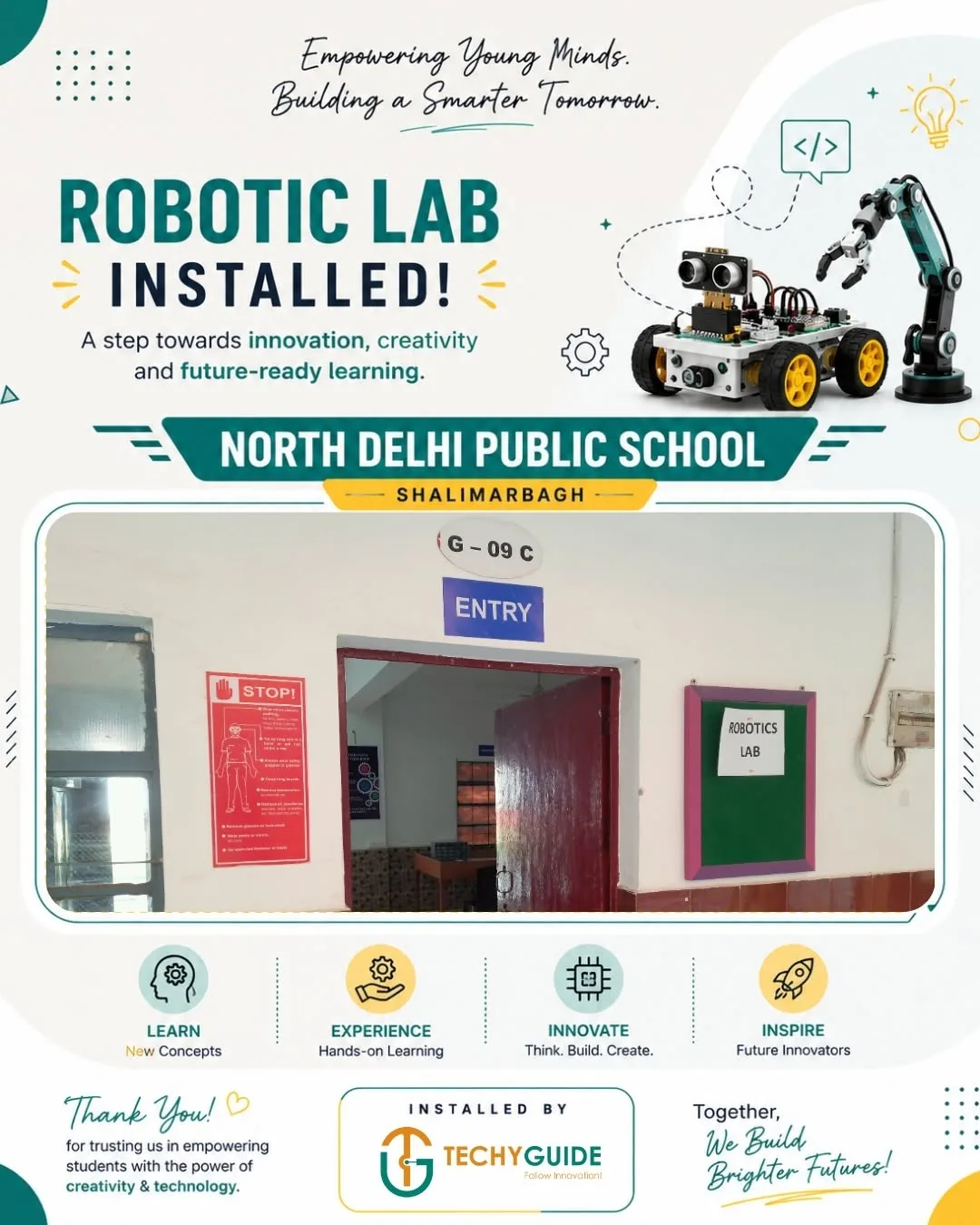
Stem robotics lab are especially valuable in technical and vocational education, where industries today are looking for multi-skilled professionals rather than narrow specialists. Employers increasingly value adaptability, and a composite skill lab nurtures exactly that by giving students repeated practice in switching between different types of tasks and thinking modes. This kind of training builds confidence, as students learn that they are capable of handling varied challenges rather than relying on a single area of expertise.
Beyond technical readiness, composite skill labs also foster creativity and innovation. When students are not confined to one subject, they are more likely to borrow ideas from different fields and combine them in unexpected ways. This cross-disciplinary thinking often leads to more original projects, unconventional problem-solving approaches, and a genuine sense of ownership over their learning process. It also encourages teamwork, since many activities in such labs are designed for group collaboration rather than individual study.
In conclusion, the Composite skill lab reflects a meaningful shift in modern education — moving away from rigid, single-subject teaching toward a flexible, integrated, and skill-based model of learning. By nurturing adaptability, creativity, and practical competence, these labs help shape students into confident, well-rounded individuals who are genuinely prepared to meet the demands of a fast-changing, real-world environment.