
A successful website doesn't start with colours, typography, or impressive animations. It starts with a clear plan.
Many businesses rush into designing pages without thinking about how users will navigate the site or find the information they need. The result is often a beautiful website that struggles to generate enquiries, sales, or engagement.This is where a website wireframe becomes one of the most valuable steps in the entire website planning process.
Rather than focusing on visual design, a website wireframe helps define structure, user journeys, and content hierarchy before any design or development work begins. It gives everyone involved from business owners to designers and developers a shared blueprint that keeps the project focused from start to finish.In this guide, we'll explore what a website wireframe is, why it's important, and how it supports better UX, content planning, and long-term website performance.
Define Website Wireframe?
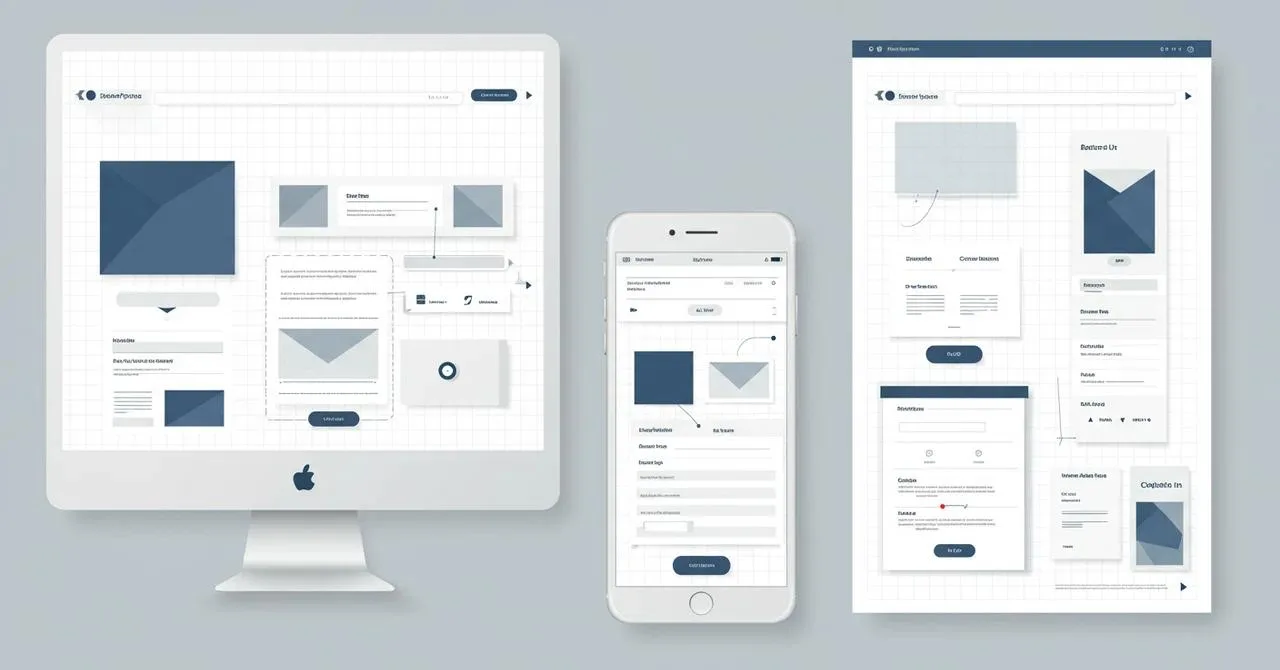
A website wireframe is a simplified visual outline of a website's pages. It shows the placement of key elements without including colours, branding, images, or final design details.
Before construction begins, architects determine where every room, hallway, and entrance should be located. In the same way, a wireframe defines how visitors move through a website and how information is presented.
A website wireframe typically includes:
- Page layout
- Content sections
- Navigation menus
- Buttons and calls-to-action
- User flow between pages
- Content hierarchy
Because it removes visual distractions, teams can focus entirely on functionality and usability.
Why Every Website Needs a Wireframe
Skipping wireframing often creates unnecessary problems later in the project.
Without a clear structure:
- Pages become cluttered.
- Navigation feels confusing.
- Important content gets buried.
- Designers spend more time making revisions.
- Developers rebuild features that could have been planned earlier.
A website wireframe solves these issues before they become expensive.
- Does this page have a purpose?
- Can users find what they're looking for?
- Is the next action obvious?
- Does the layout support business goals?
Answering these questions early saves time throughout the entire project.
Website Information Architecture Comes First
One of the biggest benefits of wireframing is that it helps establish strong website information architecture.
Good information architecture ensures users can quickly find:
- Services
- Products
- Pricing
- Contact details
- Resources
- Support pages
When planning a website wireframe, every page should have a clear relationship with the others.
For example:
Home
- Services
- Individual Service Pages
- Case Studies
- Contact
This logical structure improves both user experience and search engine understanding.
Creating an Effective Website Navigation Structure
Even the best content won't perform well if visitors struggle to reach it.
That's why your website navigation structure deserves careful planning during the wireframing stage.
An effective navigation system should be:
- Simple
- Consistent
- Easy to scan
- Predictable
- Focused on user goals
Rather than adding every page to the main menu, prioritise the content visitors need most.
Ask yourself:
- What information will users look for first?
- Which pages support conversions?
- Which links belong in the footer instead?
Keeping navigation organised helps users explore the website without frustration.
Understanding User Flow in a Website Wireframe
A wireframe isn't just about individual pages.Every page should naturally lead visitors toward the next logical step.
For example:
- Landing Page
- Service Overview
- Detailed Service Page
- Contact Form
- Thank You Page
When visitors don't need to stop and think about where to click next, your website is doing its job.
Using a Website Wireframe Template
Starting from a blank page can feel overwhelming.That's why many designers begin with a website wireframe template.
Templates provide a basic framework for common page types, such as:
- Homepage
- About page
- Service page
- Blog page
- Contact page
- Landing pages
Instead, it speeds up planning while ensuring important sections aren't overlooked.
Once the structure is in place, the layout can be customised to fit your brand and business goals.
How Wireframes Improve Content Planning
Many people assume content comes after design.In reality, content planning becomes much easier once the wireframe is complete.Each section already has a defined purpose.
A clear wireframe also helps identify:
- Missing pages
- Duplicate content
- Opportunities for internal linking
- Better content hierarchy
This results in stronger messaging and a more organised website.
SEO Benefits of Website Wireframing
Although wireframes aren't created specifically for SEO, they support many technical and structural SEO best practices.
A well-planned website wireframe helps by:
- Creating a logical page hierarchy
- Improving internal linking opportunities
- Reducing duplicate content
- Supporting keyword-focused landing pages
- Making website navigation easier for users and search engines
Planning your website before development also reduces the likelihood of major structural changes after launch.
That makes future SEO efforts much more effective.
Common Website Wireframing Mistakes
Even experienced teams sometimes make avoidable mistakes during the planning stage.
Some of the most common include:
Focusing on Design Too Early: Wireframes should solve structural problems not visual ones.
Adding Too Much Content: Every section should have a clear purpose.If something
doesn't help users move forward, reconsider whether it belongs on the page.
Ignoring Mobile Layouts: Modern websites must work seamlessly across every device.Consider responsive layouts from the beginning.
Overcomplicating Navigation: More menu items rarely improve usability.Keep navigation simple and intuitive.
Skipping User Journeys: Every page should guide visitors toward a specific action.Without a defined journey, users are more likely to leave the site.
When Is a Website Wireframe Complete?
A website wireframe is ready when:
- Every page has a clear objective.
- Navigation feels intuitive.
- User journeys are well defined.
- Content hierarchy makes sense.
- Stakeholders agree on the website structure.
- Designers have enough guidance to begin creating the visual interface.
At this stage, the project moves into design with far fewer uncertainties.
Final Thoughts
A website wireframe is much more than a simple sketch. It's the strategic foundation that shapes user experience, content organisation, and website performance before design begins.
By planning your website information architecture, refining your website navigation structure, using a reliable website wireframe template, and reviewing a practical wireframe website example, you can create websites that are easier to navigate, easier to manage, and far more effective at achieving business goals. Whether you're building a custom WordPress website from scratch or redesigning an existing one, investing time in wireframing saves valuable time during development and helps deliver a user experience that feels intuitive from the very first click.