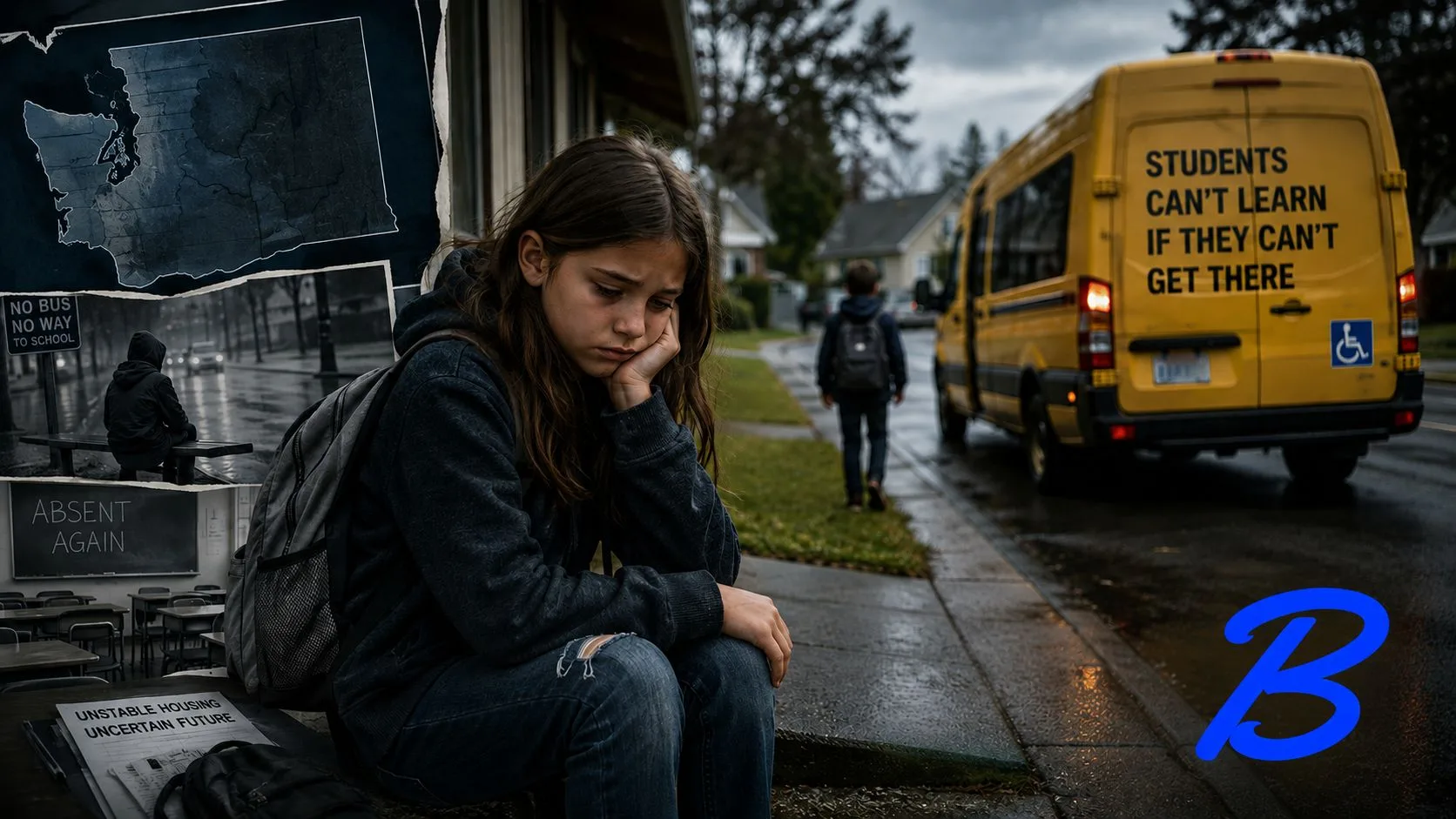
The ride to and from school is not simply a routine transfer from one location to another. It may involve mobility support, sensory considerations, emotional regulation, medical equipment, individualized timing, or the need for a calm and predictable experience that helps the student begin and end the school day successfully.
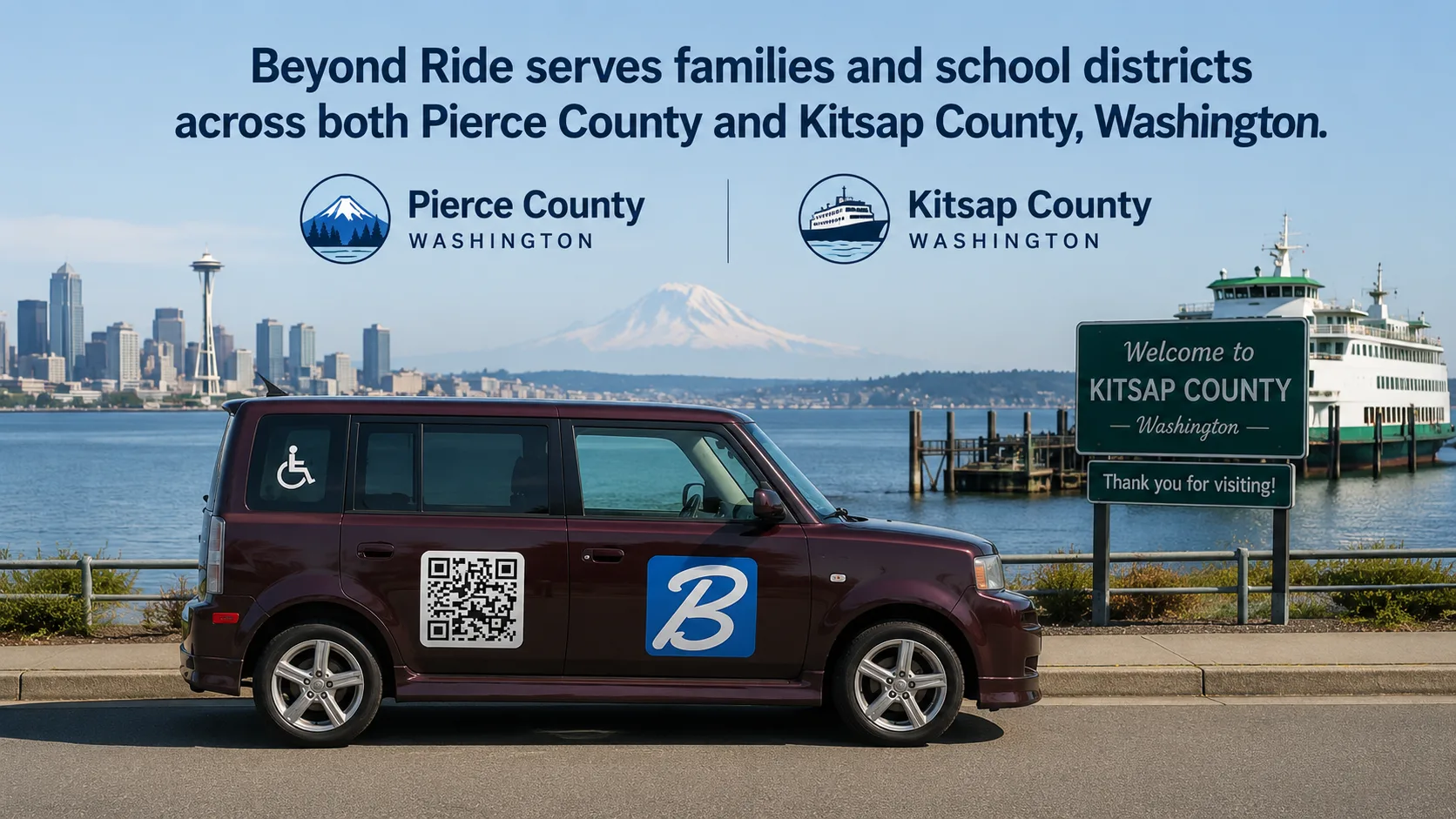
That is why transportation for students with disabilities cannot be evaluated by the same minimal standard as a basic pickup and drop-off service. In DoThePR’s recent coverage of “Student Safety in Pierce County and Kitsap Takes Priority With Verizon and Beyond Ride Collaboration,” the inclusion of special education transportation and disability student transportation stood out for exactly this reason. It acknowledged that student transportation is not one uniform category and that some families need far more than a seat in a vehicle.
Parents of students with disabilities often ask different questions than other families. They may want to know whether the driver understands the student’s specific needs, whether the route is consistent enough to avoid unnecessary stress, whether the vehicle is equipped appropriately, and whether communication will be clear if a delay or issue occurs. They may also be thinking about how the child handles transitions, whether changes in routine trigger distress, or whether a rushed or poorly managed ride could affect the rest of the school day.
In that context, a transportation provider becomes part of the student’s support system. The quality of the ride can affect attendance, classroom readiness, emotional well-being, and family confidence in the broader school routine. A transportation issue that seems minor on paper, such as a late pickup or a change in route, can have a much bigger impact when the student depends on structure, predictability, and accommodations to feel secure.
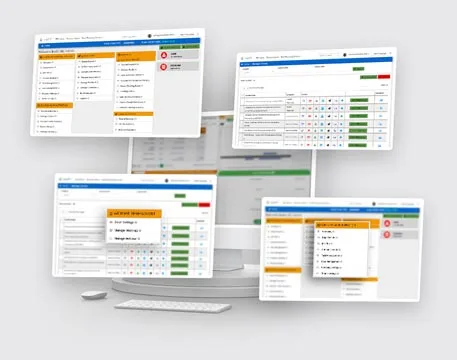
DoThePR’s reporting on the Beyond Ride safety rollout highlights why visibility and oversight matter so much here. Real-time route information can help families understand where a vehicle is and when it will arrive.
Driver monitoring and in-cab oversight can help providers maintain standards around conduct and safety. Trip recording can provide documentation if a concern needs to be reviewed. Together, those systems do not replace compassionate care or training, but they do create a stronger accountability framework around a service that many families cannot personally observe.
What families of students with disabilities need most is not just transportation, but confidence. Confidence that the child’s needs will be taken seriously. Confidence that delays or issues will be communicated clearly. Confidence that if something does go wrong, there is a documented process for understanding it and addressing it.
In Pierce County and Kitsap County, that expectation is likely to grow. As families become more aware of what modern transportation oversight can look like, they will continue to judge providers not only by whether a ride is available, but by whether that ride reflects the level of care, structure, and transparency their child actually needs.