
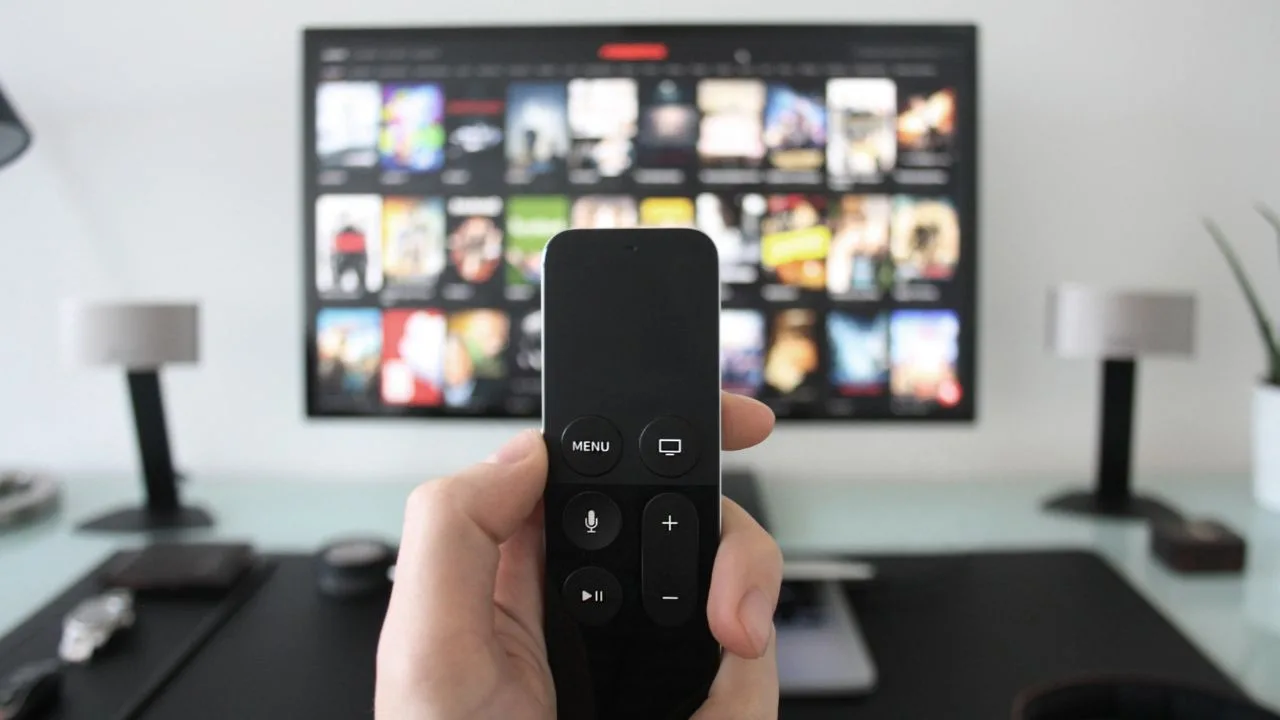
In an era where traditional cable bills have ballooned and satellite dishes feel increasingly outdated, many households are turning to live TV streaming services for a more flexible way to watch. DIRECTV Stream stands out as a robust option that bridges the familiar comfort of cable-like channel lineups with the convenience of internet-based delivery. Whether you're a sports enthusiast chasing every game or a family seeking a mix of news, entertainment, and on-demand options, understanding what this service offers and how it actually functions can help you decide if it fits your viewing habits without the long-term commitments of the past.
Tracing the Path from Traditional TV to Modern Streaming
DIRECTV has deep roots in satellite television, but its streaming service represents a significant evolution. Originally launched under different names like DIRECTV Now and AT&T TV, it rebranded and streamlined into what many now simply call DIRECTV streaming. The core idea remains delivering live television channels over the internet rather than through cables or dishes. This shift eliminates installation hassles and equipment rentals tied to physical infrastructure.
At its heart, the service aggregates content from major broadcast networks, cable channels, and regional sports feeds, then streams it directly to your devices. You don't need a satellite dish or coaxial wiring. A stable high-speed internet connection becomes your lifeline—typically 25 Mbps or higher for smooth HD viewing, with more recommended for 4K or multiple streams. This internet reliance means performance can vary based on your provider's reliability, but it also opens doors to watching from virtually anywhere in the U.S., within certain limits.
The transition wasn't just technical. It reflected broader changes in how people consume media. Viewers grew tired of rigid contracts and hidden fees. DIRECTV Stream responded with month-to-month flexibility, no annual commitments for most plans, and the ability to cancel anytime. Yet it retains that polished, guide-based interface many associate with legacy TV, making the leap less jarring for those accustomed to flipping through channels.
Breaking Down the Available Packages
DIRECTV Stream organizes its offerings into several tiers, each building on the last to suit different budgets and interests. Entry-level options like the Entertainment package typically include over 90 channels, covering essentials such as local ABC, CBS, NBC, and FOX affiliates (availability depends on your ZIP code), along with popular networks like ESPN, CNN, and HGTV. Prices often start around $70-90 monthly after any promotional periods, though taxes and fees add up.
Moving up, the Choice package expands to 125-plus channels, incorporating more sports depth with networks like SEC and regional sports feeds in eligible markets. Ultimate tiers push toward 160 channels, layering in additional movie and specialty options. At the top, Premier might reach 185 channels or more, including premium add-ons like HBO, Showtime, or Starz equivalents. These higher plans appeal to households craving comprehensive coverage, especially for live sports.
What makes the structure instructive is the option for genre-specific packs as lighter alternatives. These allow targeted viewing—news, sports, or entertainment bundles—for a fraction of full-package costs, starting as low as $20 monthly. It's a smart way to avoid overpaying for channels you'll never watch. Promotions frequently sweeten the deal with discounted first months or bundled streaming app access, but always check current rates since they fluctuate.
Core Features That Define the Experience
One of the service's strongest draws is its unlimited cloud DVR. Unlike competitors with storage caps, you can record as much as you want, keeping shows for up to a year in many cases. The interface feels intuitive, with a familiar grid guide that lets you browse live programming, search by title or genre, and set recordings effortlessly. Profiles for up to 10 users help customize recommendations and parental controls for different family members.
Streaming happens across multiple platforms. The dedicated app works on smartphones, tablets, and compatible smart TVs. For the best experience, DIRECTV offers its Gemini device—a compact streaming box that integrates live TV, on-demand titles, and apps like Netflix or Prime Video into one seamless home screen. No more switching inputs or juggling remotes. It supports 4K where available and includes voice control features.
Simultaneous streams add practicality: unlimited on your home network, with up to three away from home. This setup works well for busy households where different people might watch on various devices at once. On-demand libraries boast tens of thousands of titles, blending live broadcasts with catch-up viewing. Sports fans particularly benefit from robust coverage, including regional networks that some rivals lack.
Parental controls and customization further enhance usability. You can restrict content by rating, create kid-friendly profiles, and manage what appears in the guide. These touches make the service feel less like a raw feed and more like a tailored entertainment hub.
Setting Up and Navigating Daily Use
Getting started proves straightforward for most. Sign up online, select a package, and download the app or connect a device. No technician visit required. If opting for the Gemini box, it plugs into your TV via HDMI and connects to Wi-Fi. Activation takes minutes, after which the guide populates with available channels based on your location.
Daily operation mimics cable but with added smarts. Browse the live guide to see what's on, or use search to find specific shows or events. Recording is as simple as selecting a program and choosing to save it—your cloud library organizes everything neatly. The app's mobile version extends this freedom, letting you watch on the go or cast to a bigger screen.
Internet stability matters most here. Buffering can occur during peak hours or with weak signals, so wired connections or strong Wi-Fi help. The service includes tools for troubleshooting, like signal checks within the app. For those new to streaming live TV, the learning curve stays gentle thanks to the familiar layout and helpful onboarding prompts.
Weighing Trade-Offs and Real-World Considerations
No service is perfect, and DIRECTV Stream comes with nuances worth noting. Pricing sits on the higher end compared to some rivals, especially once promotions end. Sports-heavy viewers might justify the cost through exclusive regional access, but lighter users could find better value in slimmer bundles. Blackout restrictions for certain games still apply, just as with traditional providers.
Device compatibility is broad but not universal—check specifics for older smart TVs or niche hardware. Data usage can add up with heavy streaming, potentially impacting those with capped internet plans. On the positive side, the lack of contracts provides an easy exit if your needs change, and frequent updates to the app and features keep the platform evolving.
In practice, many subscribers appreciate the balance: cable-like reliability without the rigidity. Families use it for consistent evening viewing, while individuals lean on mobile access during travel. The integration of on-demand and live content reduces the need for multiple subscriptions, streamlining expenses over time.
Looking Ahead in the Streaming Landscape
As viewing habits continue shifting toward on-demand and personalized experiences, services like DIRECTV Stream adapt by blending legacy strengths with forward-looking flexibility. The emphasis on sports, local channels, and unified interfaces positions it well for households unwilling to sacrifice breadth for convenience. Future enhancements in 4K, interactive features, or AI-driven recommendations could further refine the experience.
Ultimately, deciding on DIRECTV Stream comes down to matching its offerings against your priorities—channel variety, sports depth, or overall cost. By delivering live TV without the traditional anchors, it exemplifies how streaming can honor familiar routines while embracing modern freedom. For many, that combination delivers the clarity and control they've been seeking in an increasingly fragmented media world.