The primary difference between crawl space encapsulation and vapor barrier installations lies in the level of protection and coverage provided to your home. A vapor barrier is a thin plastic sheet that covers the dirt floor to slow the rise of moisture, while encapsulation is a comprehensive sealing process that covers the floor, walls, and vents to create a conditioned space. This guide provides a detailed look at how these methods protect your property from rot and mold.
Understanding these differences helps you make the right choice for your home’s structural health. Experts with years of experience in moisture management recommend evaluating your local climate and the current condition of your foundation before deciding. This article outlines the technical specifications, costs, and benefits of each approach to give you a clear path forward.
How Moisture Control Works Under Your Home
Moisture in a crawl space usually comes from two places: the ground and the air. A basic barrier only addresses the ground moisture. If you live in a humid area like Georgia, high humidity can still enter through vents and condense on wooden floor joists.
When you look at vapor barrier vs encapsulation, think of the former as a raincoat and the latter as a diving suit. One keeps the rain off your back, while the other keeps you dry even when submerged. Standard barriers are often 6-mil plastic, whereas encapsulation uses much thicker, reinforced materials.
The Limitations of Standard Barriers
- Vapor barriers primarily stop liquid water and soil gases from rising.
- Encapsulation manages humidity levels through sealing and mechanical drying.
- The choice affects your indoor air quality and monthly energy bills.
Technical Components of a Vapor Barrier System
A standard crawl space insulation and vapor barrier setup is often the minimum requirement for building codes. It involves laying plastic sheeting over the soil. The sheets overlap but are not always taped or sealed to the foundation walls.
This method is affordable but leaves the air in the crawl space exposed to outside temperatures. In summer, warm air enters through vents and hits the cool surfaces under your home. This leads to sweating pipes and damp insulation. It is a functional choice for dry climates but often falls short in wet regions.
Bonus Tip: If you choose a basic barrier, ensure the plastic is at least 6-mil thick. Thinner plastic tears easily during routine maintenance or inspections.
How Encapsulation Provides Total Foundation Protection
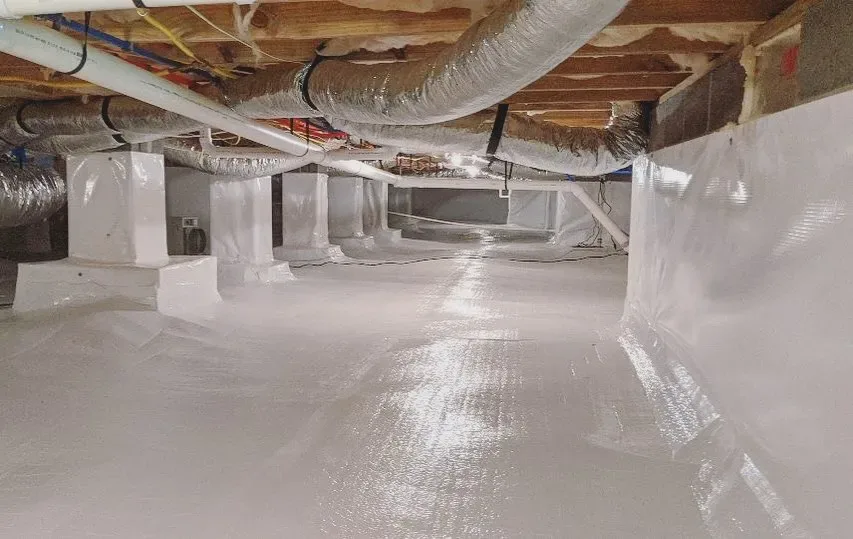
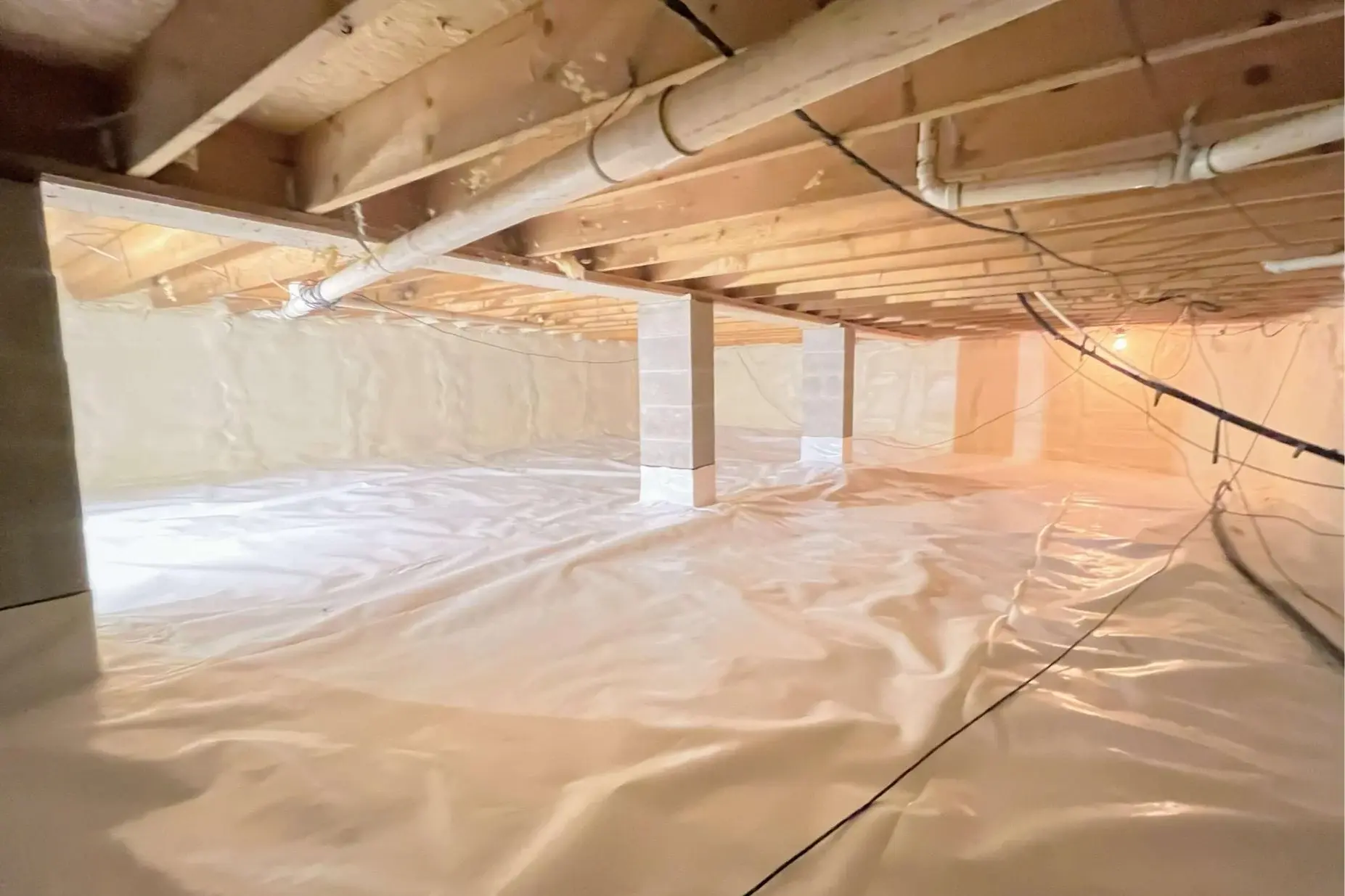
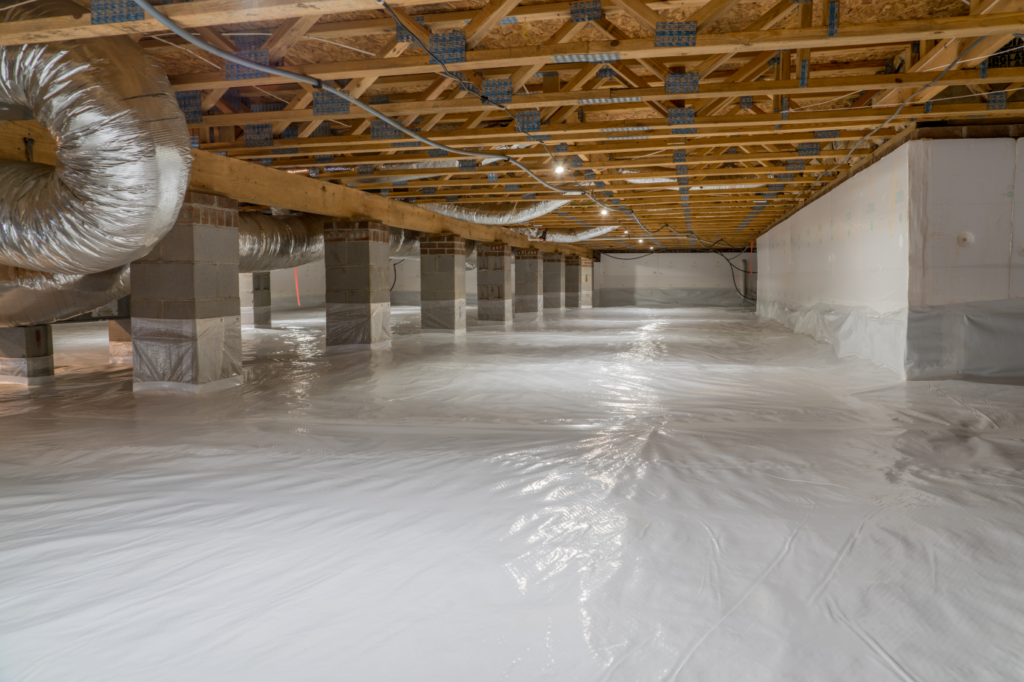
When comparing encapsulation vs vapor barrier options, encapsulation is the more advanced system. It involves lining the entire space with a heavy-duty, white polyethylene membrane. This liner is sealed with specialized tape and fastened to the walls, ensuring no air or moisture leaks through.
The process also includes sealing off foundation vents. By closing these openings, you stop the humid outside air from entering. Most professionals also install a dehumidifier to keep the relative humidity below 50%. This creates a clean, dry environment that prevents mold growth and wood rot.
Comparing Materials and Performance Levels
The best materials for crawl space encapsulation are usually 12-mil to 20-mil reinforced liners. These materials are much stronger than standard plastic. They are puncture-resistant, which is helpful if you use the area for storage or need to crawl inside for plumbing repairs.

The Role of Insulation in Sealed Systems
You should also consider encapsulation insulation during your upgrade. In a traditional vented crawl space, fiberglass batts are usually placed between the floor joists. These batts often sag and soak up moisture, making them heavy and ineffective over time.
Wall Insulation Benefits
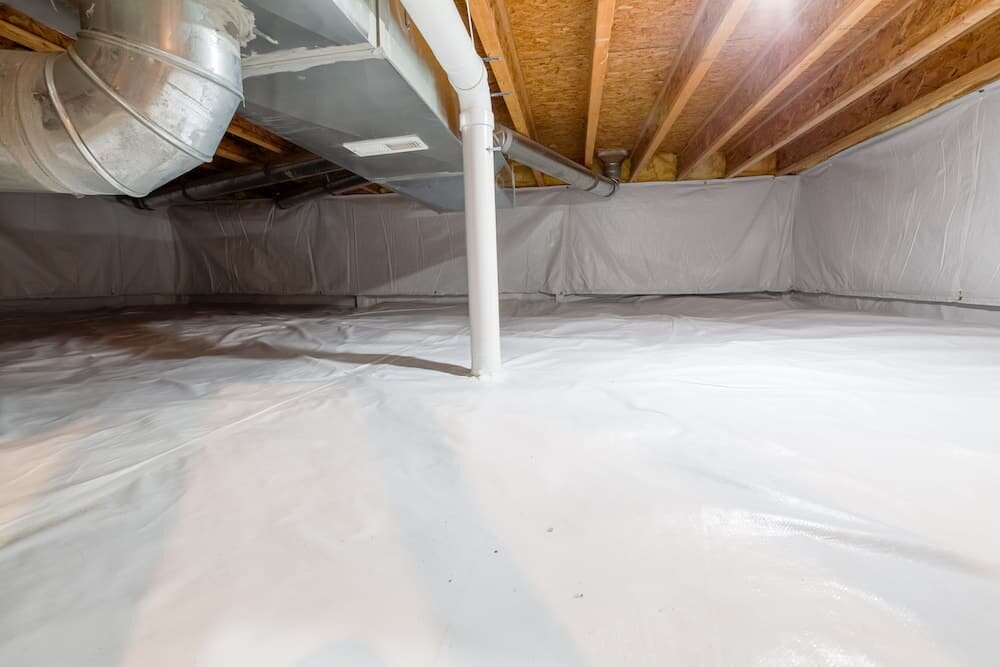
In an encapsulated system, the focus shifts to the foundation walls. Professionals often use rigid foam board or spray foam on the interior walls. This keeps the entire crawl space at a temperature similar to the rest of your house. It prevents your floors from feeling cold in the winter and reduces the load on your HVAC system.
Why Climate Matters for Your Decision
In regions with high humidity, such as Georgia, a simple barrier often isn't enough. The heavy moisture in the air travels through vents and settles on the wooden structure. This can lead to sagging floors and a musty smell that drifts into your living areas.
Encapsulation addresses these regional challenges by removing the "vented" element. By treating the crawl space as part of the home's conditioned interior, you eliminate the dew point issues that plague southern homes. This protects the wood and improves the air you breathe every day.
Bonus Tip: Check your crawl space after a heavy rain. If you see standing water, you need a sump pump installed before any liner is put down.
Evaluating the Financial Investment
The cost of crawl space repair and encapsulation is higher than that of a simple barrier installation. A basic plastic covering might cost a few hundred dollars, while a full system can range significantly depending on the size and condition of the space. However, the long-term savings often justify the price.
A dry crawl space protects your home's resale value. Buyers often walk away from properties with mold or structural issues in the foundation. Additionally, sealing the space can reduce energy costs by up to 15% because your heater and air conditioner don't have to fight the earth's temperature.
Is Encapsulation Necessary for Your Specific Home?
Before you commit to a specific method, evaluate the current state of your foundation. Not every home needs a full seal immediately, but most benefit from it. Consider these factors during your inspection:
- The presence of existing mold or wood rot on the joists.
- Whether your home has a history of "musty" smells during rainy seasons.
- The age and efficiency of your current HVAC system.
- Your long-term plans for staying in the home.
Professional Guidance for Your Home Protection Project and Free Quotes
Choosing between a vapor barrier vs encapsulation requires an honest look at your home's needs. While a barrier is a good first step, encapsulation offers a permanent fix for moisture issues. Working with a dedicated provider ensures the materials are installed correctly and the seals are airtight. Premier Insulation specializes in these services, offering everything from basic liners to full moisture remediation. They help you choose the right path for your specific budget and house layout. You can reach out to them at (229) 554-3939 or via email at premierinsulationga@gmail.com for a free quote on your project. Their team understands the unique challenges of local climates and provides tailored solutions for residential and commercial properties. For more details on their location, you can visit their map at https://maps.app.goo.gl/zWPvyac6YCR8qxZf8 to see how they serve the community.
Final Thoughts on Moisture Management Strategies
Deciding on a moisture control strategy involves weighing the immediate cost against long-term protection. A vapor barrier provides a basic layer of defense against ground moisture, making it a budget-friendly option for some. However, for total peace of mind and structural longevity, encapsulation is the superior choice. It manages air quality, stops mold, and makes your home more energy-efficient. Evaluate your crawl space today to see which level of protection fits your goals.
Common Questions Regarding Crawl Space Sealing
How long does it take to complete an encapsulation?
Most residential projects take between two and four days. This depends on the size of the crawl space and if any mold cleanup is needed first.
Will encapsulation stop my floors from squeaking?
It won't fix existing mechanical squeaks, but it stops wood from swelling and shrinking. This stability can prevent new noises from developing over time.
Do I really need a dehumidifier with encapsulation?
In most cases, yes. Without a dehumidifier, moisture trapped inside the sealed space has nowhere to go, which could lead to condensation issues.
Can I store items in an encapsulated crawl space?
Yes, it creates a clean, dry environment similar to a closet. It is much safer for storage than a traditional damp crawl space.
Does encapsulation affect my home insurance?
Some insurance companies look favorably on it because it reduces the risk of structural rot and mold claims. Check with your provider for specific discounts.