Stored grain can look stable from the outside, yet conditions inside the bin may change faster than expected. Temperature shifts, humidity changes, and hidden hot spots can affect grain quality long before visible warning signs appear. A modern moisture monitoring system helps track these conditions with greater accuracy, giving farm operators better information for storage decisions. For farms handling higher moisture grains, conditioned grains, or long-term storage, reliable monitoring is not just helpful; it is part of protecting harvest value. So, what features should matter most when choosing the right system?
Accurate Temperature and Humidity Tracking
A strong grain monitoring setup should measure both temperature and humidity. Moisture problems rarely happen alone. They often connect with temperature changes, airflow issues, and grain condition inside the bin. A system that tracks only one factor may miss early warning signs.
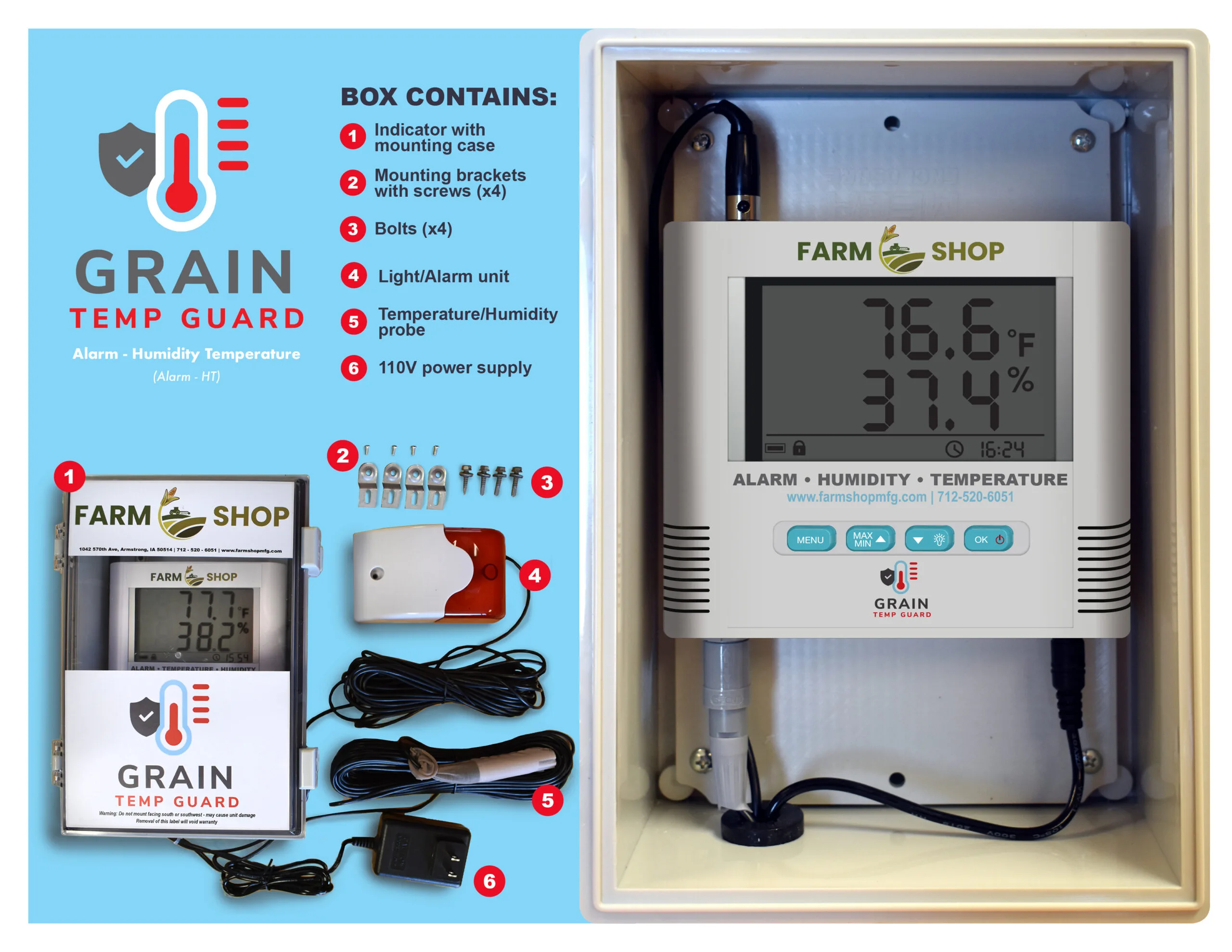
Modern systems designed for grain storage often include probes that help detect changes at different depths. This matters because grain can develop hot spots in areas that are not visible from the surface. When temperature and humidity readings are available together, storage decisions become more practical and less dependent on guesswork.
Reliable Alerts for Changing Conditions
The third paragraph should make one point clear: a moisture monitoring system should not simply collect readings. It should also alert operators when grain conditions move outside safe limits. Audible and visual alarms can help identify issues before they become expensive storage losses.
High and low temperature or humidity warnings are especially useful when grain is being conditioned. These alerts make it easier to respond when readings suggest moisture migration, condensation risk, or uneven drying. Instead of checking bins only on a fixed schedule, farm operators can react when the system detects a meaningful change.
Practical Design for Farm Conditions
A modern monitoring system should be simple enough for regular use but strong enough for demanding storage environments. Farm equipment has to work in real conditions, not just controlled settings. Clear readings, durable probes, and easy operation all matter.
The best systems are built around practical grain storage needs. They help monitor higher moisture grains, track conditioning progress, and support better decisions around aeration. A complicated system that is difficult to read or maintain may not deliver consistent value during busy harvest and storage seasons.
Flexible Monitoring Options
Every grain bin setup is different. Bin size, crop type, moisture level, and storage duration all influence monitoring needs. That is why flexibility is important.
A good system should allow farms to adapt monitoring to different bin conditions. Options such as humidity-temperature monitoring, multiple probe configurations, and fan control compatibility can help create a more complete grain management approach. This flexibility is useful for farms that handle both dried grain and in-bin drying.
Support for Grain Conditioning
Grain conditioning depends on knowing what is happening inside the bin. Humidity readings, temperature changes, and trend data help show whether conditions are moving in the right direction. Without this information, it becomes harder to know when to adjust airflow or check for developing problems.
A system that supports grain conditioning can help reduce unnecessary drying, limit spoilage risks, and maintain grain quality. This is especially important when grain must be stored for extended periods before sale or processing.
Early Detection of Hot Spots
Hot spots are one of the most important warning signs in stored grain. They can indicate biological activity, moisture buildup, poor airflow, or spoilage risk. A modern monitoring system should help detect these changes early.
Dual temperature probes and alarm features can support faster response. When heat begins building in one section of the bin, early detection allows corrective action before the issue spreads. This can help protect grain quality and reduce the chance of larger storage losses.
Easy-to-Understand Data
Good monitoring is not only about collecting data. It is about making that data useful. Farmers and grain managers need readings that are clear, direct, and easy to act on.
A practical system should help users understand whether conditions are stable, improving, or getting worse. Data charts, humidity readings, and clear alarms can support better decisions without adding unnecessary complexity. The goal is to make grain storage management more confident and less reactive.
Value Beyond the Device
A modern monitoring system should help protect more than grain. It should support time savings, better storage planning, and stronger confidence during the post-harvest season. When moisture and temperature conditions are tracked consistently, farm operators can make informed decisions about aeration, inspections, and grain movement.
This kind of monitoring also helps reduce avoidable waste. Stored grain represents time, labor, equipment, and operating costs. Protecting it requires tools that provide useful information at the right time.
Conclusion
Choosing the right moisture monitoring system starts with understanding the risks inside stored grain. Temperature, humidity, hot spots, and conditioning progress all affect quality and profitability. A modern system should offer accurate readings, reliable alerts, practical operation, and flexibility for different grain storage needs. With the right monitoring approach, stored grain can be managed with greater confidence from harvest through final delivery.
Protect stored grain with dependable monitoring technology that supports better storage decisions, reduces spoilage risks, and helps maintain grain quality year-round.