Electric Cars in 2026: A Turning Point on the Road to Mainstream Adoption
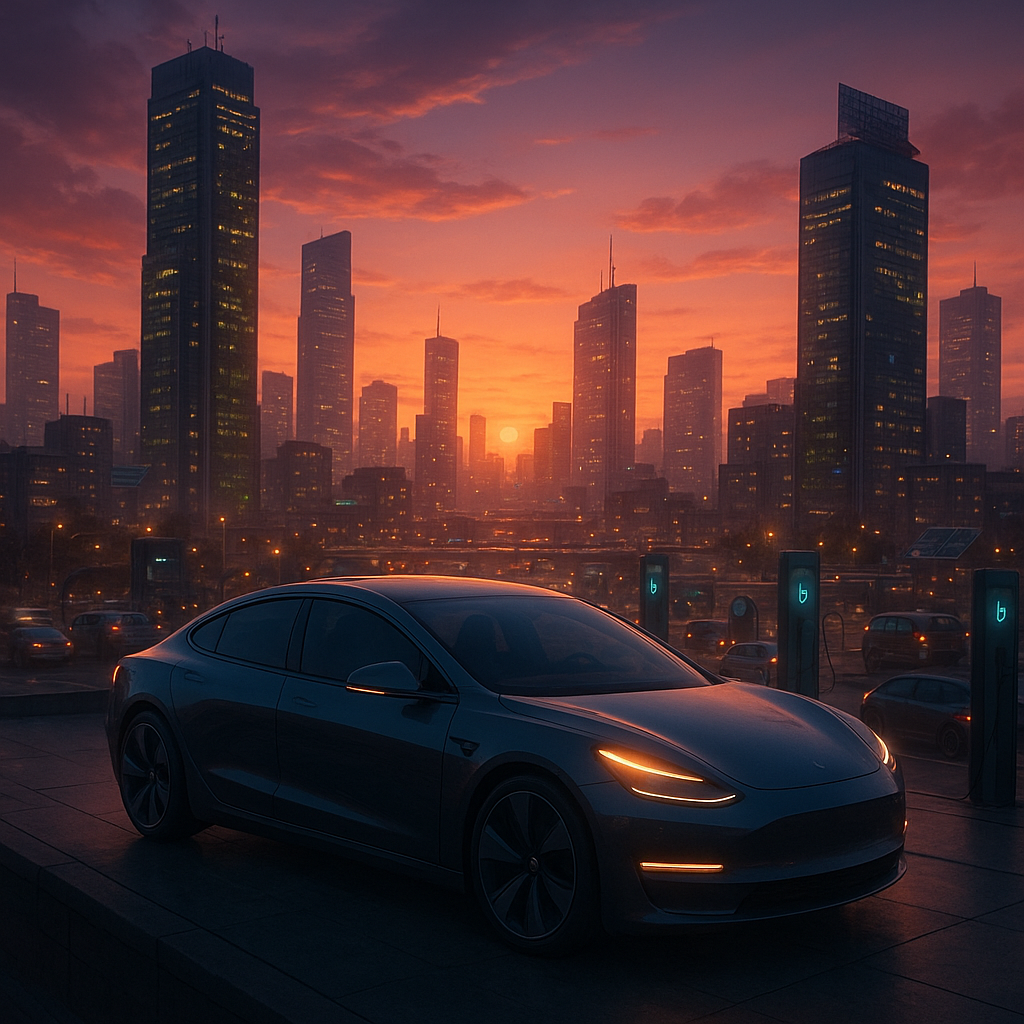
On a sunny afternoon in Silicon Valley, a Tesla Model 3 silently glides past a row of conventional gas-powered vehicles stuck in traffic. This scene, repeated millions of times worldwide, illustrates a profound shift underway in the automotive industry. The case for owning an electric car is no longer a niche argument reserved for early adopters or environmentalists. Instead, it is rapidly becoming a mainstream reality backed by economics, technology, and policy.
According to recent data from the International Energy Agency (IEA), electric vehicle (EV) sales surpassed 15 million units globally in 2025, representing nearly 25% of all new car sales. This compares to less than 5% just five years ago. The pace of adoption is accelerating, fueled by advances in battery technology, expanding charging infrastructure, and increasingly stringent emissions regulations. What was once a costly and inconvenient choice is now frequently the smarter financial and practical decision for consumers.
“Electric cars have moved from concept cars and luxury experiments to everyday tools for mobility. Their advantages in cost, performance, and sustainability are no longer speculative but demonstrable,” said Dr. Elena Martinez, an automotive technology analyst at GreenTech Insights.
Tracing the Road: How We Arrived at This Moment
The rise of electric cars did not occur overnight. It is the result of decades of technological innovation, policy push, and shifting consumer attitudes. The early 2010s saw the introduction of models like the Nissan Leaf and the Tesla Model S, which began to prove that EVs could compete with internal combustion engine (ICE) vehicles in performance and range.
Governments worldwide played a crucial role in incentivizing EV adoption. Subsidies, tax breaks, and regulations like the European Union's CO2 emission targets laid the foundation. Meanwhile, battery costs plunged dramatically—from over $1,200 per kWh in 2010 to under $100 per kWh by 2024—making EVs more affordable and extending their driving range.
Meanwhile, charging infrastructure expanded. Public and private investments led to thousands of fast-charging stations across North America, Europe, and China, alleviating range anxiety that once deterred buyers. Automakers also ramped up R&D, introducing new platforms and models across price segments.
“The trajectory of EV adoption reflects a perfect storm of policy, innovation, and market demand converging over the past decade,” noted automotive historian Dr. Samuel Lee.
Data-Driven Advantages: Comparing Electric and Conventional Vehicles
The electric car's value proposition today rests on several pillars supported by robust data. First and foremost is total cost of ownership (TCO). Studies by the Department of Energy and independent analysts show that when factoring in purchase price, fuel savings, maintenance, and resale value, many EVs now cost less over their lifetime than comparable ICE vehicles.
Key data points include:
- Lower Running Costs: Electricity averages 60% cheaper than gasoline per mile driven in the U.S., with global variations favoring EVs even more.
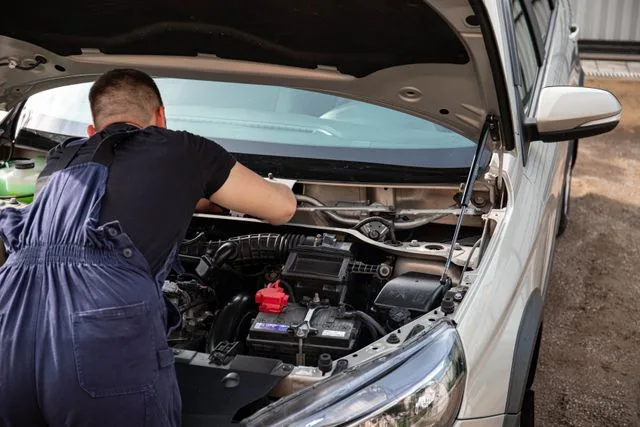
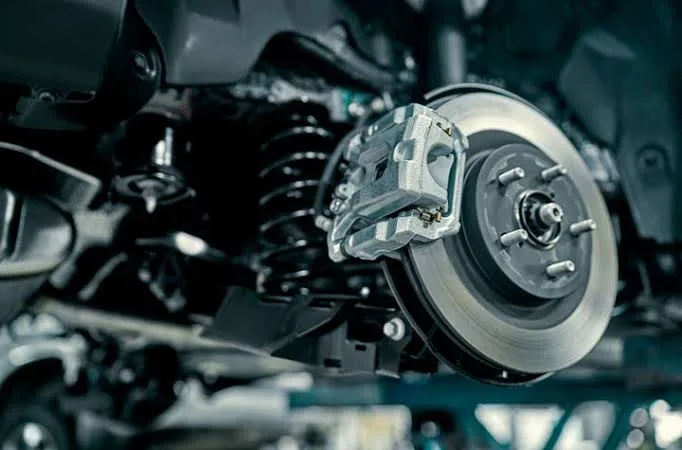
- Reduced Maintenance: EVs have fewer moving parts—no oil changes, fewer brake replacements due to regenerative braking, and less engine wear.
- Improved Resale Values: As demand grows, used EV prices have stabilized and even appreciated in some markets.
Performance metrics also favor electric cars. Instant torque provides brisk acceleration, and modern battery packs deliver competitive or superior driving ranges exceeding 350 miles on a single charge. Safety ratings have improved, with many EVs earning top marks due to lower centers of gravity and advanced driver-assistance systems.
Environmental impact remains a critical factor. Lifecycle analyses incorporating battery production, electricity source, and vehicle disposal show that EVs produce 40–70% fewer greenhouse gas emissions than gasoline cars, a gap widening as grids decarbonize.
The Latest Developments Shaping EV Adoption in 2026
Several 2026 breakthroughs are further tipping the scales in favor of electric vehicles. Battery technology has made quantum leaps, with solid-state batteries entering commercial production. These batteries offer higher energy density, faster charging, and improved safety compared to traditional lithium-ion packs.
Charging infrastructure continues to mature with ultra-fast chargers capable of replenishing 80% battery capacity in under 10 minutes becoming more common along highways and urban centers. Smart grid integration allows EVs to act as energy storage assets, feeding electricity back to the grid during peak demand.
Policy momentum remains strong. The United States recently extended the federal EV tax credit through 2030, and the European Union has introduced tighter emissions standards requiring all new cars sold in the bloc to be zero-emission by 2035. China, the largest EV market, maintains robust subsidies for domestic manufacturers and is aggressively expanding charging networks.
However, challenges persist. Supply chain constraints, particularly for critical battery minerals like lithium, nickel, and cobalt, have led to fluctuating raw material prices. Automakers like Volkswagen have felt the impact, exemplified by production halts such as the Chattanooga ID.4 stoppage, which TheOmniBuzz reported reflects broader market shifts.
Meanwhile, some manufacturers face delays in launching new EV models, like Scout Motors, whose postponed debut threatens to cool consumer enthusiasm as noted in TheOmniBuzz’s coverage.
Industry Experts Weigh In: What Automakers and Analysts Are Saying
Industry insiders agree that the electric vehicle transition is irreversible but emphasize that the journey will have hurdles. Mary Chen, Chief Innovation Officer at a leading battery manufacturer, highlights the rapid pace of technological progress.
“We are witnessing a paradigm shift in energy storage. Solid-state and next-gen chemistries will make EVs more affordable, safer, and more convenient, accelerating mass adoption beyond what was forecasted just five years ago.”
Automotive analysts caution that widespread EV adoption requires persistent investments not only in vehicles but also in infrastructure and grid capacity. Energy expert Dr. Raj Patel notes that integrating EVs with renewable energy sources and smart grids will be critical for sustainability goals.
“Electric cars are a key piece of the clean energy puzzle, but their full potential depends on evolving how we generate, store, and distribute electricity,” Dr. Patel said.
Automakers are responding by diversifying their portfolios. Legacy manufacturers such as Ford and General Motors have committed to full electrification by 2035, while startups continue to innovate in battery tech and vehicle design. This competitive landscape is driving rapid innovation and price declines.
Looking Ahead: The Roadmap for Electric Cars Post-2026
What comes next for electric vehicles? Industry forecasts suggest that by 2030, EVs could constitute over 50% of new car sales globally. This is supported by strong consumer interest, improving economics, and regulatory frameworks pushing for zero emissions.
Key trends to monitor include:
- Battery Recycling and Sustainability: Circular economy initiatives will reduce reliance on virgin materials and improve environmental footprints.
- Vehicle-to-Grid (V2G) Technologies: Increased adoption of bidirectional charging will transform EVs into distributed energy resources.
- Autonomous and Connected EVs: Synergies between electrification and autonomy will redefine mobility models.
- Affordable Models for Emerging Markets: New EVs targeting price-sensitive customers in Asia, Africa, and Latin America will expand global adoption.
- Policy Evolution: Governments may introduce new mandates on battery standards, emissions, and end-of-life vehicle management.
Consumers should consider these developments when deciding to buy an EV. The benefits are no longer speculative; they are quantifiable and increasingly accessible.
For deeper insight into the factors influencing electric vehicle ownership today, the article Why Choosing an Electric Car Is Harder to Ignore in 2026 at TheOmniBuzz offers a comprehensive exploration worth reading.
Ultimately, the electric car revolution is not just about cleaner transportation—it represents a transformation in how energy, technology, and mobility intersect. The question is no longer if electric cars will dominate but how quickly and effectively the automotive ecosystem adapts to this new reality.