
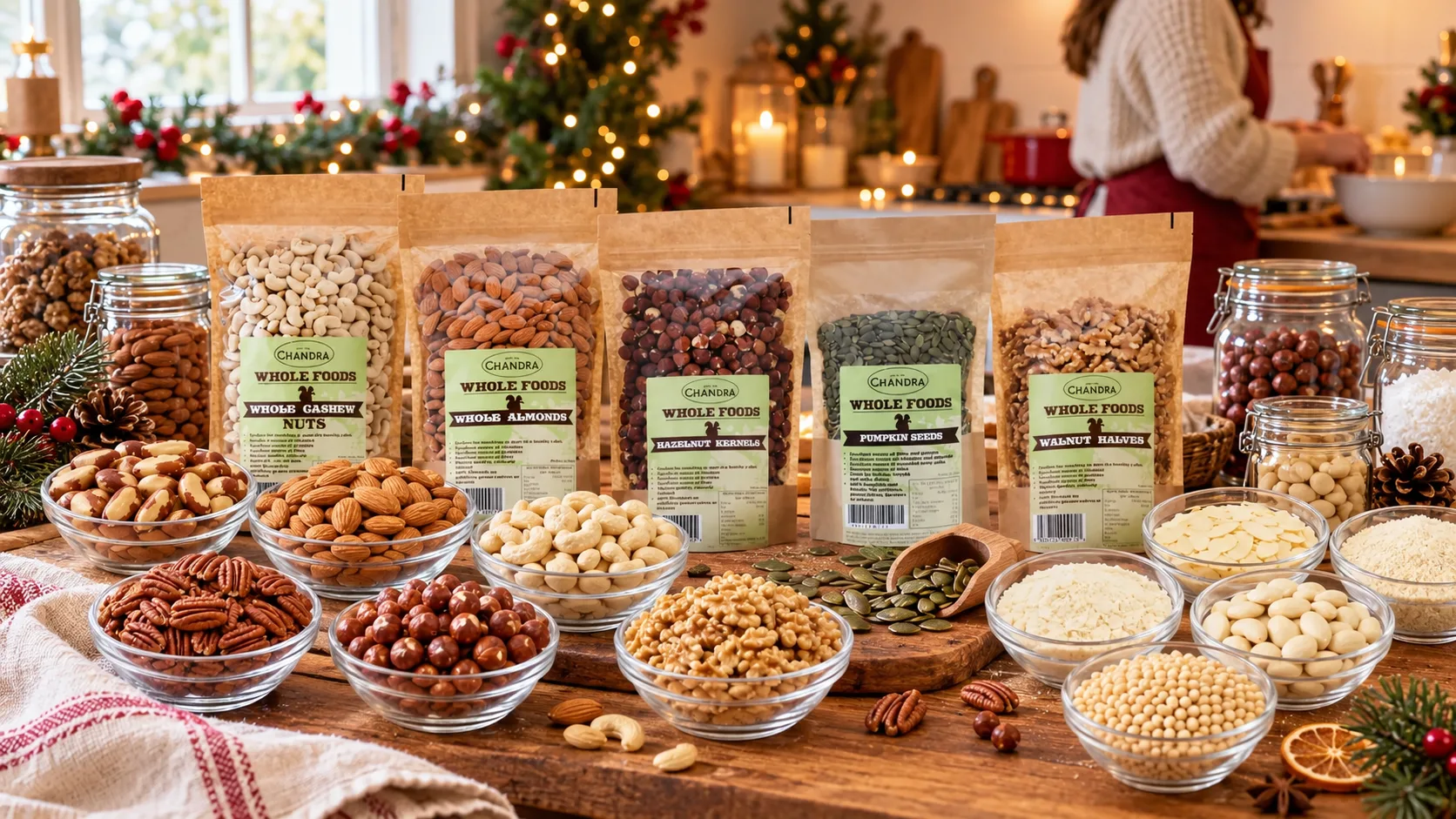
Nuts are one of the easiest healthy habits you can build. They need no cooking, they keep well in the cupboard and a small handful goes a long way. But with so many types on the shelf, it is fair to ask which nuts are actually best for you, and how many you should eat each day.
The honest answer is that there is no single “best” nut. Each one brings something slightly different, so the smartest approach is to eat a variety. This guide explains what makes the most popular nuts worth eating and how to fit them into a normal day.
Why nuts are good for you
Most nuts share a few key benefits. They contain plant protein and fibre, which help you feel full for longer. They are rich in unsaturated fats, the kind generally linked with heart health. And they provide useful vitamins and minerals such as vitamin E, magnesium and zinc.
Because they are filling and easy to carry, nuts also make a good swap for crisps, biscuits and sweets. If you want the full picture, our guide to the healthiest nuts and seeds for daily nutrition goes into more detail.
The best nuts to eat, and why
Almonds
Almonds are probably the most popular everyday nut, and for good reason. They are a good source of protein, fibre and vitamin E, with a mild, buttery taste that works in sweet and savoury dishes. Choose whole, skin-on almonds, as the skin adds extra fibre. Premium almonds UK shoppers often prefer unsalted almonds, so you can snack on them as they are or toast them at home.
Best for: everyday snacking, porridge toppings and almond butter.
Walnuts
Walnuts stand out because they contain alpha-linolenic acid (ALA), a plant-based omega-3 fat. That makes them a popular choice for anyone who eats little or no fish. Their slightly bitter, earthy taste works well in salads, banana bread and brownies. If you buy walnuts online, halves are the most versatile choice for both snacking and baking.
Best for: salads, baking and a plant source of omega-3.
Cashew nuts
Cashews are creamy, mild and loved by children and adults alike. They provide plant protein, magnesium and zinc, and they blend into smooth sauces and dairy-free creams. Cashew nuts are also a favourite in Indian cooking, from rich curries to festive sweets.
Best for: curries, vegan sauces and sharing bowls.
Brazil nuts
Brazil nuts are famous for being one of the richest natural sources of selenium, a mineral the body needs in small amounts. Because they are so rich in it, one or two a day is plenty. Natural Brazil nuts are large and creamy, so a couple make a satisfying snack on their own.
Best for: a small daily boost of selenium.
Pecan nuts
Pecans have a naturally sweet, buttery flavour and a soft crunch. They contain fibre and plant fats, and they are perfect in pecan pie, granola and salads. They are also a good way to make a healthy snack feel like a treat.
Best for: baking and sweet-tasting snacks.
Macadamia nuts
Macadamias are rich, creamy and higher in fat than most nuts, mainly monounsaturated fat. They also provide fibre, around 9g per 100g. Their indulgent taste means a small handful feels very satisfying.
Best for: occasional snacking and baking cookies.
How many nuts should you eat a day?
A common guide is a small handful, about 30g a day. In practice, that looks roughly like:
- 20 to 23 almonds
- 15 to 18 cashews
- 7 walnut halves
- 1 to 2 Brazil nuts, plus another nut to make up the handful
- 15 to 20 pecan halves
Nuts are nutritious but also energy-dense, so it is worth sticking to a portion rather than eating straight from a large bag.
Easy ways to add nuts to your day
- Breakfast: sprinkle almonds or pecans over porridge, yoghurt or cereal.
- Mid-morning snack: a small pot of mixed nuts instead of biscuits.
- Lunch: add walnuts or toasted cashews to a salad.
- Cooking: stir cashews into curries or blend them into sauces.
- Baking: swap some flour for almond flour, or fold pecans into cakes.
Tips for buying and storing nuts
- Choose unsalted and natural where possible, so you control the salt.
- Buy the size you will use. Larger packs are better value if you eat nuts daily.
- Store in an airtight container in a cool, dry, dark cupboard.
- Keep opened packs in the fridge if you will not finish them within a few weeks.
Where to buy nuts in the UK
Chandra Foods is a family-run UK business, established in 1985, with a shop in Park Royal, London, and delivery across the UK. Its range includes almonds, walnuts, cashews, Brazil nuts, pecans and macadamias, along with mixed nut boxes if you want to try several types at once.
Final thoughts
The best nut for you is the one you will enjoy eating regularly, and the best approach is to mix them up. A small daily handful of almonds, walnuts, cashews or a couple of Brazil nuts is an easy, tasty way to add protein, fibre and healthy fats to your diet.
This article is for general information only and is not medical advice. If you have a nut allergy or a specific health condition, speak to a healthcare professional before changing your diet.