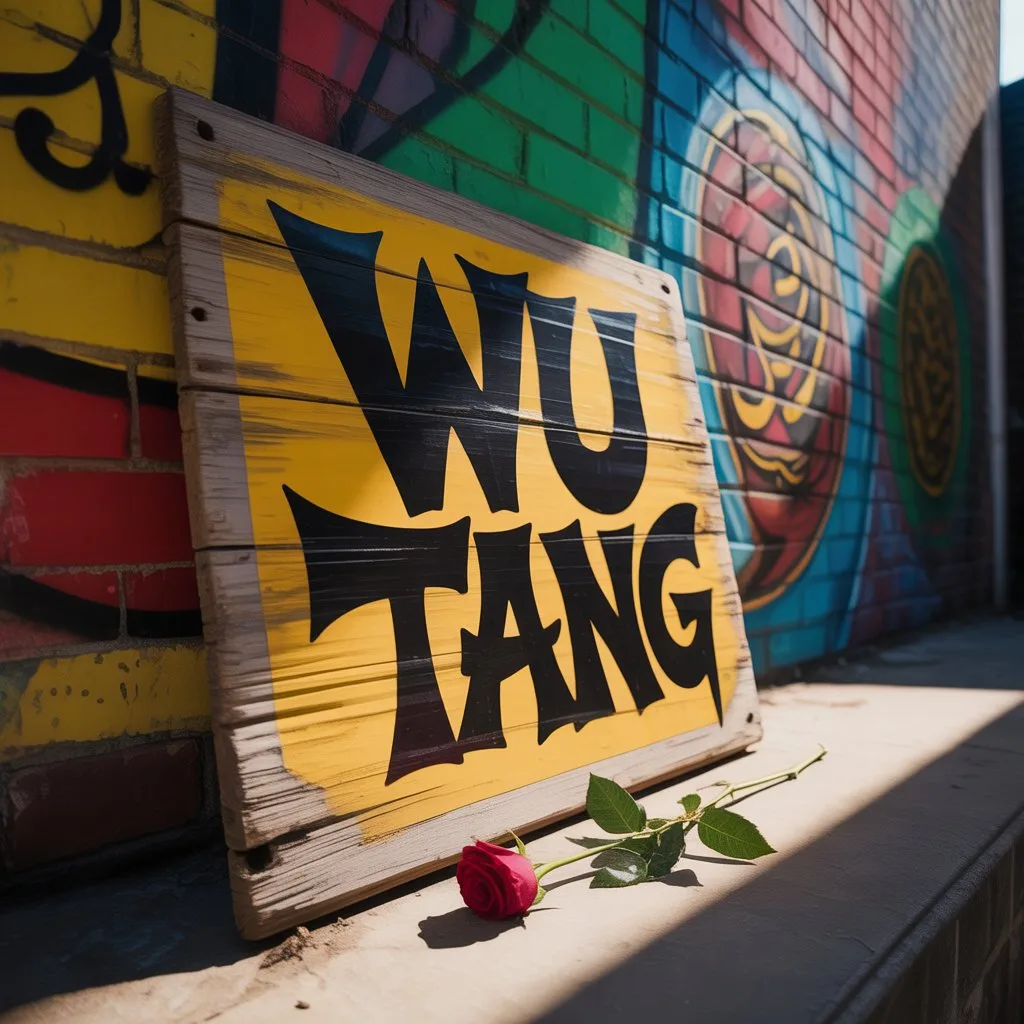
A name is often the first story we tell about ourselves.
Before someone hears a song, reads a profile, watches a video, or joins an online game, they usually encounter a name. That name may feel serious, mysterious, humorous, aggressive, elegant, or deliberately strange. In only a few words, it creates an expectation.
This is why artists, writers, gamers, performers, and internet creators frequently adopt aliases. A carefully chosen identity can separate creative work from everyday life, establish a recognizable tone, and give someone permission to express a different side of their personality.
Hip-hop culture has demonstrated this power especially well. Memorable stage names often operate as miniature characters: they suggest history, attitude, mythology, and rhythm before the performer says a single word.
An Alias Is More Than a Username
A username mainly helps a platform identify an account. A creative alias does something more.
It can communicate:
- The kind of work someone creates
- The emotional tone of a project
- A fictional personality
- A connection to a particular culture or genre
- A sense of humor
- A personal aspiration
- A visual or narrative theme
Consider the difference between a random sequence of letters and a name that sounds like it belongs to a wandering swordsman, an underground producer, or a street poet.
The second option creates an image.
That image can influence profile pictures, music artwork, writing style, video editing, clothing, logos, and even the way a person introduces a project.
A strong alias becomes a creative direction rather than a simple label.
Why Hip-Hop Names Feel So Memorable
Many influential hip-hop names combine unexpected sources.
They may draw from neighborhood language, martial arts cinema, comic books, religious imagery, mythology, crime stories, technology, humor, or personal experiences.
This mixture creates contrast.
A name can sound ancient and futuristic at the same time. It can combine wisdom with danger, elegance with chaos, or humor with authority. Those tensions make the identity easier to remember.
Rhythm also matters.
Stage names are spoken repeatedly in songs, interviews, introductions, and conversations. The number of syllables, placement of hard consonants, internal rhyme, and pace all affect whether a name feels natural when spoken aloud.
A visually interesting name may still fail if it is difficult to pronounce. The strongest aliases usually work both on a screen and in a sentence.
The Creative Power of a Persona
A persona allows a creator to explore ideas that may feel difficult under an ordinary identity.
A quiet person may write with greater confidence through a bold fictional character. A serious professional may use an alias for humorous videos. A musician may create separate names for different genres.
The persona does not have to be dishonest.
In many cases, it reveals something real that everyday life does not provide enough space to express.
A useful creative identity may represent:
- A more fearless version of the creator
- A fictional storyteller
- A specific emotional mood
- A character from an imagined universe
- A voice designed for one project
- A tribute to an artistic influence
The important question is not whether the name matches a legal identity. It is whether it supports meaningful and original work.
A Practical Formula for Inventing a Name
Waiting for a perfect name to appear spontaneously can be frustrating. A structured approach often works better.
Start by creating three short lists.
List One: Personal Qualities
Write down traits you identify with or would like the persona to express.
Examples include:
- Patient
- Restless
- Observant
- Unpredictable
- Quiet
- Precise
- Resilient
- Curious
List Two: Strong Images
Choose objects, animals, places, materials, weather, or natural forces.
Examples include:
- Iron
- Shadow
- Thunder
- Crane
- Wolf
- Ink
- Moon
- Smoke
List Three: Roles or Titles
Add words that imply a character or function.
Examples include:
- Master
- Poet
- Monk
- Architect
- Phantom
- Messenger
- Scholar
- Guardian
Combine words from different lists and say the results aloud.
“Quiet Thunder” creates contrast. “Ink Architect” suggests creativity and construction. “Shadow Scholar” combines mystery with intelligence.
Not every combination will work, but the exercise produces a useful pool of ideas.
How Generators Can Help Without Replacing Creativity
A name generator is most useful when treated as a brainstorming partner rather than a final authority.
A tool such as wu tang name generator can take a starting name and produce alternatives influenced by classic, martial-arts-inspired, or street-oriented styles.
The value is not that an algorithm knows someone’s true identity. The value is that it creates combinations the user may not have considered.
A generated result can be:
- Used exactly as presented
- Shortened
- Combined with another result
- Rewritten with different spelling
- Used as a character name
- Treated as inspiration for lyrics or fiction
- Rejected while revealing a better direction
Creative tools are most effective when they expand the number of possible ideas.
The final choice should still belong to the person using the name.
Test the Name in Real Situations
A name that looks impressive in a list may feel awkward in practice.
Before committing, test it in several contexts.
Say:
- “Welcome back, this is…”
- “Produced by…”
- “Written by…”
- “You can find me online as…”
- “The main character is called…”
Then place the name on a mock profile, thumbnail, album cover, poster, or game screen.
Ask:
- Is it easy to pronounce?
- Is it easy to spell?
- Does it still sound good after repetition?
- Does it match the intended tone?
- Could it be confused with another creator?
- Is it too long for usernames?
- Does it create unwanted meanings in another language?
This testing stage prevents a clever idea from becoming a practical inconvenience.
Avoid Copying an Existing Identity
Inspiration should not become impersonation.
Using another artist’s exact name, logo, visual branding, or distinctive character can create confusion and may raise trademark or platform-policy concerns.
A better approach is to study the principles behind memorable identities.
Notice how they use:
- Contrast
- Rhythm
- Strong imagery
- Cultural references
- Wordplay
- Character-building
- Repetition
Then create something original from those principles.
The goal is not to sound like a specific famous person. It is to understand why certain names feel powerful and apply those lessons in a new direction.
Match the Name to the Project
Different projects need different kinds of aliases.
Music
A music name should be easy to say, search, and remember. It should also fit the emotional tone of the sound.
Gaming
Gaming identities can be more playful, dramatic, or fictional. Availability across platforms may be especially important.
Writing
A pen name may need to look credible on a cover, article page, or author biography.
Social Media
Short names are usually easier to display, tag, and remember. The identity should also remain flexible enough for future content.
Fictional Characters
A character name can be more exaggerated because it belongs to a constructed world.
The same person may reasonably use different identities for different creative contexts.
Turn the Alias Into a Story
Once a name has been selected, develop the world around it.
Ask:
- Where did this character come from?
- What does the name mean?
- What skill does the character possess?
- What weakness does the character hide?
- What object do they always carry?
- What would their first song, poem, or message say?
- What visual symbol represents them?
This exercise transforms a novelty name into a storytelling device.
A generated alias might inspire a song title, short story, role-playing character, brand mascot, or visual art series. The name becomes the starting point rather than the final product.
When a Real Name May Be Better
Aliases are useful, but they are not always necessary.
A real name may be the better choice when:
- Personal trust is central to the work
- The creator already has professional recognition
- The project spans several unrelated topics
- The alias feels forced
- The work is closely tied to personal expertise
- Legal or business clarity is important
The purpose of an alias is to support expression, not to create an obstacle.
Some creators use a real name professionally and an alias for experimental projects. Others combine both, placing the persona alongside a clear author identity.
There is no universal rule.
The Name Must Earn Its Meaning
A creative name may attract attention, but the work gives it lasting value.
At first, even a powerful alias is only a collection of words. Its meaning develops through songs, performances, stories, designs, conversations, and repeated creative decisions.
This is why choosing a name can feel important but should not become endless procrastination.
The perfect identity is rarely discovered before the work begins.
More often, a good name becomes powerful because the creator continues using it and fills it with recognizable work.
Final Thoughts
Creative aliases sit between language and performance.
They allow people to shape how a project enters the world, experiment with character, and separate everyday identity from artistic expression. In music and hip-hop culture, names can carry rhythm, mythology, humor, ambition, and visual imagination at the same time.
Generators and brainstorming exercises can make the process easier, but they should be used as sources of possibility rather than substitutes for judgment.
Choose a name that sounds natural, fits the project, avoids confusion, and creates room for a story.
Then begin creating.
A memorable name may open the door, but the work is what gives the identity a life.
Suggested Excerpt
Creative aliases can shape music, gaming profiles, fictional characters, and online brands. Learn how rhythm, imagery, personas, brainstorming tools, and real-world testing help produce a memorable identity.
Recommended Category
Entertainment
Suggested Tags
Hip-Hop Culture, Creative Identity, Stage Names, Personal Branding, Online Tools
Suggested Author Bio
Json Chao is an independent developer and writer interested in creative web tools, digital identity, internet culture, and practical ways technology can support personal expression.
Disclosure
This article includes a reference to a fan-made naming tool associated with the author. The website is intended for entertainment and creative inspiration and is not officially affiliated with Wu-Tang Clan or its members.