
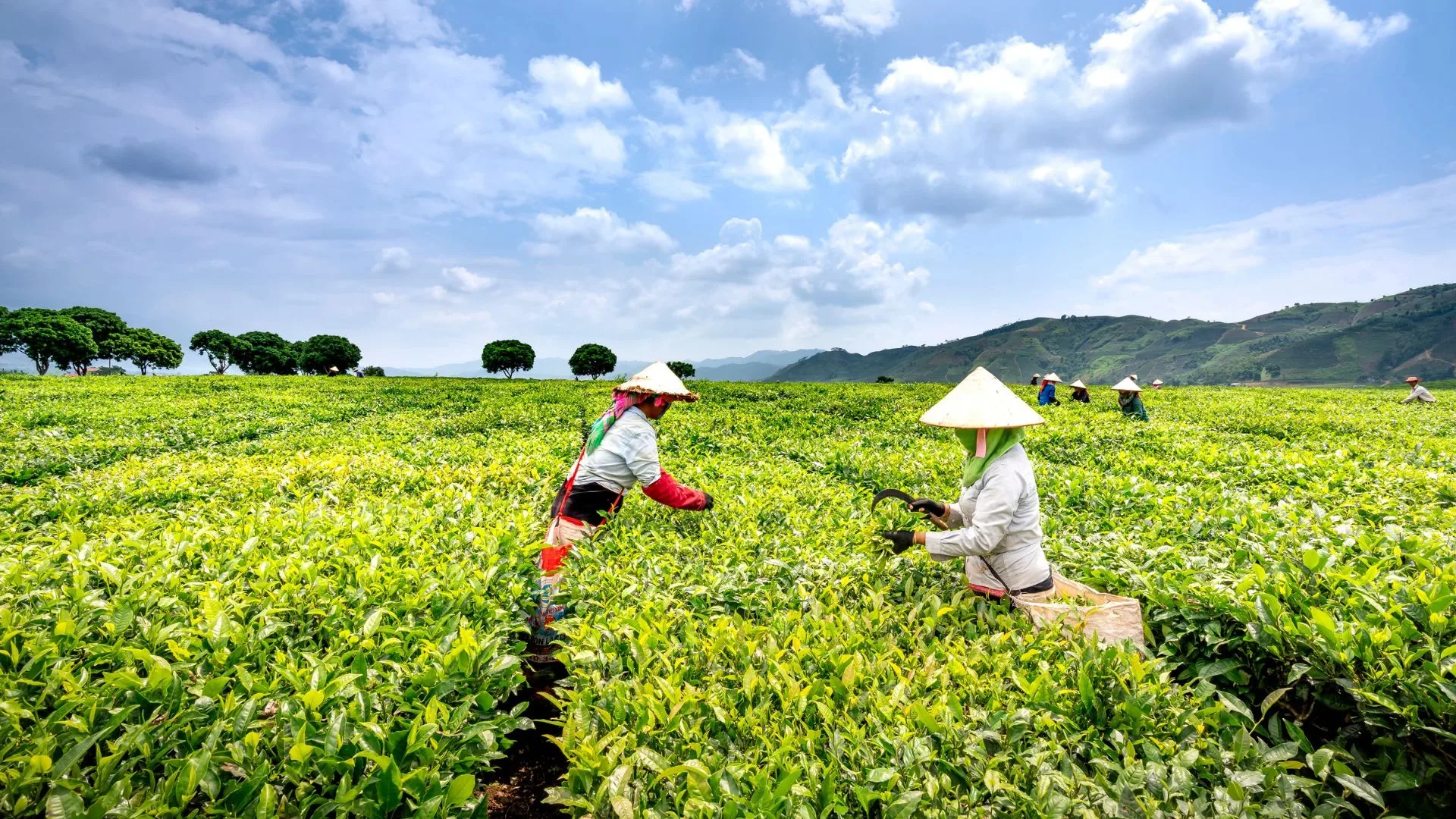
Tea has long been an integral part of India's culture, lifestyle, and daily routine. From the traditional morning cup in Indian households to the aromatic blends served in tea cafés worldwide, Indian tea has developed a strong reputation for its rich flavor, quality, and diversity. Today, Indian tea is gaining increasing popularity in the global beverage market as consumers seek authentic tastes, natural beverages, premium experiences, and products with a unique cultural story.
1. Rich Flavor and Exceptional Quality
One of the main reasons Indian tea is attracting international consumers is its distinctive taste and aroma. India produces several varieties of tea, each offering a unique flavor profile, texture, and character.
Darjeeling tea is famous for its delicate aroma and floral notes, Assam tea is known for its strong, malty taste, while Nilgiri tea offers a smooth, fragrant flavor. These varieties allow tea lovers around the world to explore different experiences in every cup.
The diversity of Indian tea makes it suitable for both traditional tea drinkers and modern consumers who enjoy experimenting with new flavors.
2. Growing Demand for Natural and Health-Conscious Beverages
Global consumers are becoming more conscious of their beverage choices. Many people are shifting away from heavily sweetened drinks and looking for natural alternatives that fit into healthier lifestyles.
Tea is often preferred because it is a simple beverage made from natural ingredients and can be enjoyed without excessive sugar or additives. Green tea, black tea, herbal infusions, and specialty tea blends have become popular among people seeking a refreshing and mindful drinking experience.
Indian tea, with its wide range of varieties, fits well into this growing trend and continues to attract health-conscious consumers.
3. India's Strong Heritage of Tea Production
India has a long history of tea cultivation and production, which contributes significantly to its reputation in the international market. Tea-growing regions such as Assam, Darjeeling, Nilgiri, and Dooars are recognized for their distinctive climate, soil conditions, and tea-growing traditions.
The combination of natural growing conditions, skilled tea producers, and established production practices helps India maintain its position as one of the world's important tea-producing countries.
International buyers increasingly appreciate products that have a strong origin story, and Indian tea offers a blend of heritage, craftsmanship, and authenticity.
4. The Rise of Premium and Specialty Tea
The global tea market is evolving beyond everyday tea bags. Consumers are increasingly interested in premium loose-leaf teas, specialty blends, single-origin varieties, and unique brewing experiences.
Indian tea is well positioned in this segment because its different growing regions produce teas with distinctive characteristics. Premium teas are attracting customers who value quality, aroma, freshness, and the story behind the product.
As tea culture expands across cafés, specialty stores, online marketplaces, and premium hospitality businesses, Indian tea brands have more opportunities to reach international customers.
5. Versatility in Modern Beverage Culture
Tea is no longer limited to a traditional hot beverage. Modern consumers enjoy tea in a variety of ways, including iced tea, milk tea, tea lattes, flavored tea, cold brews, and creative tea-based drinks.
Indian tea varieties are particularly suitable for these preparations. Strong Assam tea works beautifully in milk-based beverages, while Darjeeling and Nilgiri teas can be enjoyed as refreshing iced drinks or lighter brews.
This versatility allows Indian tea to connect with different cultures, preferences, and lifestyles across the global beverage market.
6. E-Commerce and Global Accessibility
The growth of online shopping has made it easier for tea brands to introduce Indian tea to consumers in different countries. Digital platforms allow customers to discover tea varieties, compare products, learn about their origins, and purchase specialty teas without visiting physical stores.
Online marketing, social media, tea blogs, and product storytelling have also helped increase awareness of Indian tea among younger consumers and international tea enthusiasts.
With improved digital visibility and convenient shopping experiences, Indian tea brands can reach a much broader audience than ever before.
7. Sustainability and Ethical Consumer Preferences
Sustainability is becoming an important consideration for consumers when choosing food and beverages. Many buyers are paying more attention to sourcing practices, packaging, environmental responsibility, and the people involved in production.
Indian tea brands that focus on responsible sourcing, quality control, transparent product information, and sustainable packaging can build stronger relationships with customers in international markets.
As consumers increasingly value products that reflect responsible business practices, these qualities may help Indian tea gain even greater recognition.
The Future of Indian Tea in the Global Market
The growing popularity of Indian tea represents more than a trend. It reflects a broader change in consumer preferences toward authentic, flavorful, versatile, and premium beverages. With its diverse varieties, rich cultural heritage, and established tea-growing regions, India has the potential to continue strengthening its position in the international tea industry.
Tea brands that combine traditional quality with modern marketing, innovative products, and convenient online shopping experiences are likely to attract new customers and build long-term loyalty.
For tea enthusiasts looking to explore authentic Indian tea and discover a variety of flavorful tea experiences, Prime Gold Tea offers an opportunity to connect with the richness of India's tea culture.
Conclusion
Indian tea is gaining popularity in the global beverage market because it brings together quality, flavor, tradition, versatility, and evolving consumer preferences. From the distinctive taste of Assam tea to the delicate aroma of Darjeeling, India's tea varieties offer something for every kind of tea lover.
As global demand for premium and authentic beverages continues to grow, Indian tea is well positioned to become an even more recognizable and appreciated choice among consumers worldwide. Its timeless appeal, combined with modern opportunities in retail and digital commerce, makes the future of Indian tea promising and full of potential.