When Fitness Goals Stall: A Common Scene in Gyms Worldwide
Walk into any gym in 2026, and you’ll notice a familiar pattern: a sea of determined faces, high-tech wearables tracking every heartbeat, and coaches armed with data-driven plans. Yet despite this apparent dedication and access to cutting-edge fitness technology, a striking number of gym-goers report plateaus, injuries, or waning motivation within months. According to a 2025 survey by the International Health, Racquet & Sportsclub Association (IHRSA), over 60% of fitness enthusiasts quit or fail to reach their goals within the first year. This paradox begs the question: why do so many fitness journeys falter despite abundant resources and knowledge?
The answer lies not in the absence of effort but in the prevalence of overlooked mistakes that sabotage progress. From flawed workout strategies to nutritional misconceptions, these errors are often hidden beneath layers of good intentions. Understanding these pitfalls is crucial not only for individuals but also for trainers, health professionals, and the wellness industry at large, which is projected to reach $1.2 trillion globally by 2028, according to Statista.
“Success in fitness is less about working harder and more about working smarter by avoiding fundamental errors that impede progress.” — Dr. Lena Morales, Exercise Physiologist
Tracing the Roots: How Fitness Culture Evolved and Where Missteps Began
The modern fitness movement has its roots in the 20th century, fueled by a combination of bodybuilding, aerobic dance, and running booms. The 1980s saw the explosion of gym culture, with a focus on high-intensity workouts and visible results. However, scientific understanding of exercise physiology was still evolving, leading to widespread adoption of practices that later proved suboptimal or even harmful.
In the 2000s, the rise of internet fitness influencers and social media accelerated the spread of both innovative training methods and misinformation. The democratization of fitness advice brought benefits but also confusion. Individuals often copied routines without personalized guidance, leading to injuries or frustration. Moreover, the emphasis on aesthetics over function created a mindset where rapid transformations overshadowed sustainable health.
Fast forward to 2026, and we find ourselves in a paradoxical state: unparalleled access to data, personalized programs via AI coaches, and holistic health approaches, yet persistent barriers remain. This historical context is essential to grasp why common mistakes persist despite evolving knowledge.
7 Critical Mistakes Undermining Fitness Progress Today
Informed by recent studies, expert interviews, and industry reports, here is a detailed breakdown of the most prevalent errors:
- Neglecting Recovery and Sleep: A 2025 study published in the Journal of Sports Science & Medicine reveals that 70% of active adults underestimate the role of sleep in muscle repair and performance. Overtraining without adequate rest leads to chronic fatigue, impaired immunity, and stalled gains.
- Ignoring Individualized Nutrition: Generic diet plans fail to account for metabolic, genetic, and lifestyle differences. The rise of nutrigenomics in 2024 highlighted how personalized nutrition can enhance fat loss and muscle growth, but many still follow one-size-fits-all advice.
- Overemphasis on Cardio at the Expense of Strength: While cardio is vital for cardiovascular health, excessive endurance training without strength work can lead to muscle loss and metabolic slowdown, according to the American Council on Exercise’s 2026 guidelines.
- Poor Exercise Technique and Form: Improper mechanics increase injury risk and reduce effectiveness. Despite widespread availability of video tutorials and biomechanical analysis apps, many users neglect form, leading to setbacks.
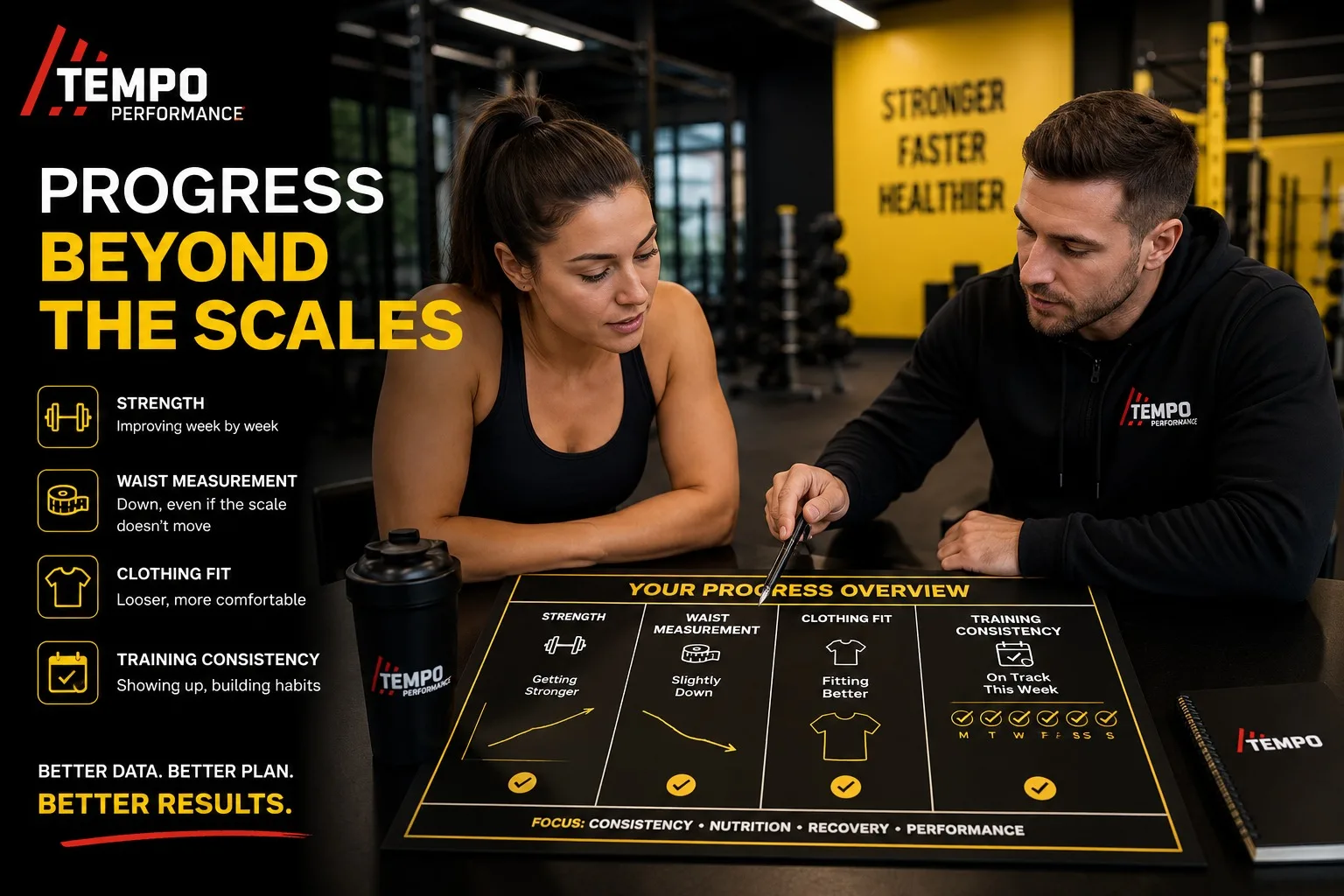
- Inconsistent Tracking and Goal Setting: Without measurable benchmarks, motivation declines. Research from a 2025 behavioral study shows that people who set SMART (Specific, Measurable, Achievable, Relevant, Time-bound) goals and track progress digitally are 40% more likely to sustain their routines.
- Underestimating Mental and Emotional Factors: Mental health impacts physical performance profoundly. Stress, anxiety, and lack of social support can derail fitness efforts, yet these factors are often overlooked in program design.
- Relying on Supplements Over Holistic Health: The supplement market exploded to $350 billion globally by 2025, but experts warn against prioritizing pills over balanced nutrition, hydration, and training consistency.
“Fitness is a holistic journey; overlooking recovery or mental well-being is like building a house on sand.” — Marcus Lee, Certified Strength Coach
2026 Fitness Trends Highlighting Progress and Persistent Challenges
The fitness industry in 2026 reflects both remarkable advancements and enduring hurdles. AI-powered training apps now offer hyper-personalized workout and nutrition plans, integrating real-time biometrics and adaptive algorithms. Wearables have advanced to include continuous metabolic monitoring, enabling precise calorie and nutrient adjustments. However, even with these tools, the core mistakes persist among users.
Group fitness and community-driven platforms have surged, aiming to address the mental and social dimensions of wellness. Yet, dropout rates remain high due to unrealistic expectations and inadequate education. The rise of virtual reality (VR) workouts has introduced engaging, immersive experiences, but experts caution that novelty cannot replace foundational training principles.
Furthermore, the integration of mental health services with fitness programs is gaining traction. Companies such as MindFit and BodyBalance have partnered with fitness centers to provide holistic offerings, recognizing that emotional resilience enhances physical performance.
These developments underscore a critical insight: technology and innovation can enhance fitness outcomes, but they must be coupled with education, realistic goal-setting, and attention to recovery and mental well-being.
Expert Insights: How Trainers and Health Professionals Are Addressing These Mistakes
Leading trainers and health experts interviewed for this report emphasize the importance of education and individualized strategies in combating common fitness pitfalls. Samantha Nguyen, a veteran personal trainer with over 15 years’ experience, notes that “many clients come in with preconceived notions shaped by social media trends. Our role is to recalibrate their mindset and tailor programs that reflect their unique physiology and lifestyle.”
Dr. Amir Patel, a sports medicine physician, stresses the importance of integrating recovery protocols, stating, “I see too many cases of overuse injuries because people push through pain without proper rest. Educating clients about the science of recovery is a game changer.”
Moreover, nutritionists advocate for moving beyond fad diets toward sustainable eating habits aligned with individual needs. A 2026 consensus paper by the International Society of Sports Nutrition highlights the efficacy of personalized macronutrient and micronutrient strategies.
These perspectives align with broader industry shifts toward holistic, evidence-based practices designed to foster long-term adherence and minimize injury.
Looking Ahead: Actionable Steps to Avoid Fitness Pitfalls and Sustain Progress
As fitness continues to evolve, avoiding common mistakes requires a multi-dimensional approach. Here are key takeaways for individuals and professionals aiming for lasting success:
- Prioritize Recovery: Incorporate rest days, quality sleep, and active recovery techniques like stretching and mobility work.
- Personalize Nutrition: Utilize genetic testing and metabolic assessments to inform diet plans rather than relying on generic advice.
- Balance Training Modalities: Combine strength training with cardiovascular and flexibility exercises to optimize health and performance.
- Focus on Form: Seek professional guidance or use biomechanical feedback tools to ensure safe and effective movement patterns.
- Set SMART Goals and Track Progress: Use digital platforms to monitor milestones and adjust plans dynamically.
- Address Mental Health: Integrate mindfulness, stress management, and community support into fitness routines.
- Be Skeptical of Quick Fixes: Approach supplements and trends critically, prioritizing evidence-based interventions.
For those interested in deepening their understanding of avoiding pitfalls in performance, TheOmniBuzz’s article on Common Mistakes That Undermine Athletic Performance and How to Overcome Them offers complementary insights. Additionally, parallels between fitness and other disciplines’ errors can be enlightening, as explored in Avoiding Costly Pitfalls: Common Mistakes in Understanding Mortgage Rates, underscoring the universal value of informed decision-making.
“The future of fitness lies in harmonizing technology with timeless principles of human physiology and psychology.” — Dr. Elena Suarez, Wellness Researcher
In conclusion, the journey to fitness success in 2026 is less about chasing the latest trends and more about mastering the fundamentals while embracing innovation thoughtfully. Avoiding the hidden mistakes detailed above empowers individuals to transform effort into measurable, sustainable results.