Unpacking the Myth of Nutritional Clarity in 2026
Nutrition has never been more accessible or scrutinized than it is today. Yet, paradoxically, common mistakes in nutrition remain widespread, contributing to persistent public health challenges. While awareness campaigns, technological advances like personalized nutrition apps, and an influx of research have flooded the market, many individuals still struggle to apply sound nutritional principles effectively. According to the World Health Organization, diet-related noncommunicable diseases—such as obesity, type 2 diabetes, and cardiovascular diseases—account for nearly 40% of premature deaths worldwide. This alarming statistic underscores a crucial disconnect between knowledge and practice.
The reality is that nutrition mistakes are embedded in complex socio-cultural, economic, and psychological contexts. For instance, the surge of fad diets and misinformation on social media platforms often mislead consumers, creating confusion rather than clarity. A 2025 survey by the International Food Policy Research Institute revealed that over 65% of adults admit to following at least one fad diet in the past year, frequently abandoning them due to unrealistic expectations or adverse effects. This article aims to dissect the common nutritional errors prevalent today, analyze why they persist, and explore emerging solutions that could redefine how the public approaches diet and health.
“Despite unprecedented access to nutritional information, misapplication remains a significant barrier to improving global health outcomes,” notes Dr. Anita Roy, a leading nutrition epidemiologist at the Global Health Council.
Historical Roots: From Malnutrition to Modern Dietary Challenges
The genesis of modern nutritional challenges can be traced back several decades when the focus shifted from addressing simple deficiencies to managing chronic conditions linked to diet. In the mid-20th century, public health campaigns primarily targeted protein-energy malnutrition and vitamin deficiencies. Successes in these areas paradoxically set the stage for today's overnutrition and diet-related chronic diseases.
By the 1980s and 1990s, dietary guidelines began emphasizing reductions in saturated fat and cholesterol to combat cardiovascular disease. However, this era also saw the rise of processed foods engineered to be low-fat but often high in sugars and refined carbohydrates. The unintended consequence was a dramatic increase in obesity rates worldwide, a trend that continues into 2026. The National Health and Nutrition Examination Survey (NHANES) data from 2024 shows that nearly 45% of American adults are obese, a figure mirrored across many developed nations.
Furthermore, the globalization of Western dietary patterns has accelerated poor nutrition in developing countries, where traditional diets rich in whole grains and fiber have been supplanted by calorie-dense, nutrient-poor fast foods. The nutrition transition has created a double burden of malnutrition—where undernutrition and obesity coexist, complicating public health strategies.
Understanding this historical context is vital to grasp why certain nutritional mistakes are deeply ingrained. The legacy of shifting dietary messages, industrial food innovation, and cultural transitions continues to influence consumer behavior and policy responses.
The Anatomy of Common Nutrition Mistakes
Nutrition errors are multifaceted, but some mistakes are particularly pervasive in 2026. These errors can be broadly categorized into misconceptions about macronutrients, misinterpretation of dietary guidelines, and behavioral pitfalls.
1. Overemphasis on Calorie Counting
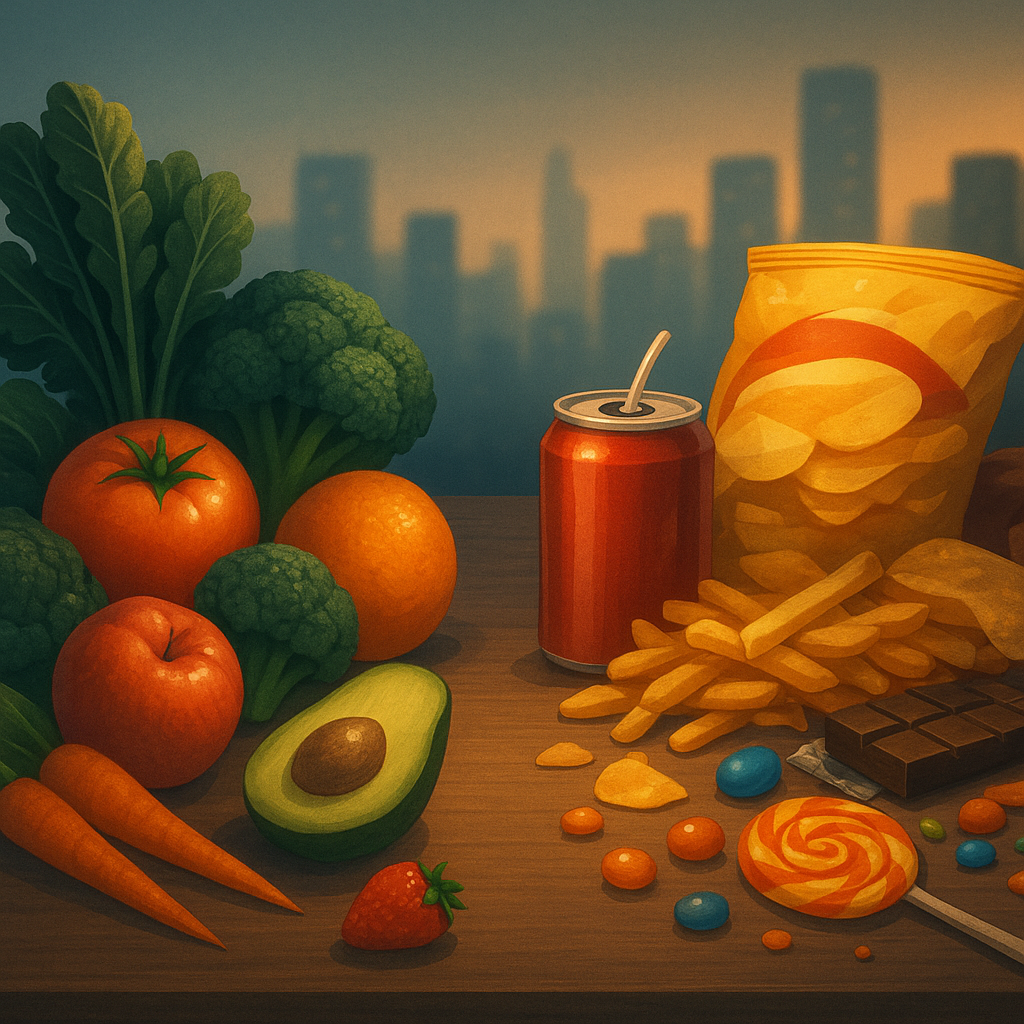
Calorie counting remains a popular weight management strategy, yet it often oversimplifies complex metabolic and hormonal responses to food. Many individuals focus solely on caloric intake without considering nutrient quality, leading to diets high in empty calories. For example, consuming 2,000 calories of sugary snacks versus 2,000 calories of nutrient-dense vegetables and lean proteins has drastically different health outcomes.
2. Misunderstanding Macronutrient Roles
Fats, carbohydrates, and proteins are frequently demonized or over-consumed due to conflicting dietary trends. The low-carb craze that peaked in the early 2020s has moderated, yet some consumers still avoid complex carbohydrates necessary for gut health and energy. Conversely, high-protein diets can strain kidney function if followed excessively without medical supervision. The 2026 Global Nutrition Report highlights that imbalanced macronutrient consumption contributes significantly to metabolic syndrome prevalence.
3. Ignoring Micronutrients and Fiber
Vitamin and mineral deficiencies persist even in wealthy nations, often overshadowed by concerns about calories and macros. Diets low in micronutrients like magnesium, zinc, and vitamin D are common. Additionally, insufficient dietary fiber intake—averaging less than 15 grams per day in many populations versus the recommended 25-30 grams—impacts digestive health and chronic disease risk.
4. Reliance on Supplements Instead of Whole Foods
The supplement industry exploded with a 12% annual growth rate over the past five years, reaching over $250 billion globally by 2026. Despite this, experts warn that supplements cannot replace the synergistic benefits of whole foods. Over-supplementation risks toxicity and nutrient imbalances.
5. Emotional and Social Eating Patterns
Psychological factors such as stress, emotional eating, and peer influence play a significant role in nutritional mistakes. Chronic stress can alter appetite-regulating hormones, promoting unhealthy food choices. Social contexts, including meals in fast-paced urban environments, often encourage calorie-dense, nutrient-poor options.
“Nutrition is not just about what you eat but also why and how you eat,” explains Dr. Samuel Chen, behavioral nutrition specialist at the University of Toronto.
2026 Developments: Technology, Policy, and Personalized Nutrition
Advances in technology and policy over the past two years have aimed to address some of these persistent nutritional challenges. The rise of artificial intelligence-driven personalized nutrition platforms marks a notable shift from generic recommendations to tailored dietary advice based on genetics, microbiome analysis, and lifestyle factors.
Companies such as NutriGenome and BioBalance have introduced consumer-friendly services that integrate continuous metabolic monitoring with machine learning algorithms to optimize nutrient intake in real time. Early clinical trials published in the Journal of Nutritional Science (2025) indicate a 15% improvement in adherence and metabolic markers among users after six months.
On the policy front, several countries, including Canada and Sweden, have implemented front-of-package warning labels for ultra-processed foods, aiming to curb overconsumption of sugars and saturated fats. These policies complement global efforts by the World Health Assembly to set voluntary nutrient profile models encouraging healthier food environments.
Meanwhile, public health campaigns have evolved to incorporate behavioral economics principles, nudging consumers toward better choices through default options and incentives. For example, the Healthy Plate initiative in the European Union offers subsidies for fresh produce and limits advertising of junk food to children.
Expert Perspectives: Bridging Science and Practice
Experts emphasize that combating nutrition mistakes requires multidisciplinary approaches integrating science, education, and system-wide change. Dr. Maria González, a nutrition policy advisor to the United Nations Food and Agriculture Organization, advocates for stronger regulatory frameworks alongside community empowerment.
“We must tackle food system inequities that limit access to healthy options,” she says. “Education alone is insufficient if socioeconomic barriers persist.”
From a clinical standpoint, dietitians are increasingly adopting motivational interviewing and digital tools to personalize counseling. A recent meta-analysis in Nutrients journal (2026) found that interventions combining technology with human support yield the best outcomes in dietary behavior change.
Furthermore, the food industry’s role is under scrutiny. Transparency initiatives and reformulation programs are gaining momentum to reduce harmful ingredients in processed foods. Consumer demand for plant-based and sustainably sourced foods continues to rise, reflecting a shift toward holistic wellness.
Future Outlook: Strategies to Avoid Nutritional Pitfalls
Looking ahead, several strategies are poised to mitigate common nutrition errors and foster healthier populations:
- Emphasize Food Quality Over Quantity: Public messaging should highlight nutrient density and food variety rather than calorie fixation.
- Expand Access to Personalized Nutrition: Scaling affordable AI-driven tools can help individuals meet unique nutritional needs.
- Strengthen Food Environment Policies: Governments must enforce standards limiting harmful ingredients and improving labeling.
- Integrate Behavioral Science: Programs addressing psychological and social factors can improve sustainable dietary changes.
- Promote Nutrition Literacy: Educational curricula need updating to reflect current scientific consensus and critical thinking skills.
Without addressing these areas, the cycle of nutrition misunderstandings is likely to persist, perpetuating health disparities and increasing healthcare burdens.
For readers seeking to deepen their understanding of common mistakes and how to overcome them, TheOmniBuzz offers insightful analysis in Common Mistakes That Undermine Athletic Performance and How to Overcome Them and broader perspectives on error prevention in other domains such as finance in Avoiding Costly Pitfalls: Common Mistakes in Understanding Mortgage Rates.
“The path to better nutrition is continuous learning and adaptation, not quick fixes,” advises Dr. Roy.
In conclusion, while the abundance of nutritional information has never been greater, common mistakes endure due to complex factors including misinformation, behavioral patterns, and systemic barriers. Bridging the gap between knowledge and action requires coordinated efforts from individuals, healthcare professionals, policymakers, and industry stakeholders. As 2026 progresses, hope lies in leveraging technology and science ethically to empower healthier choices for all.