Reimagining Real Estate: A New Era Emerges
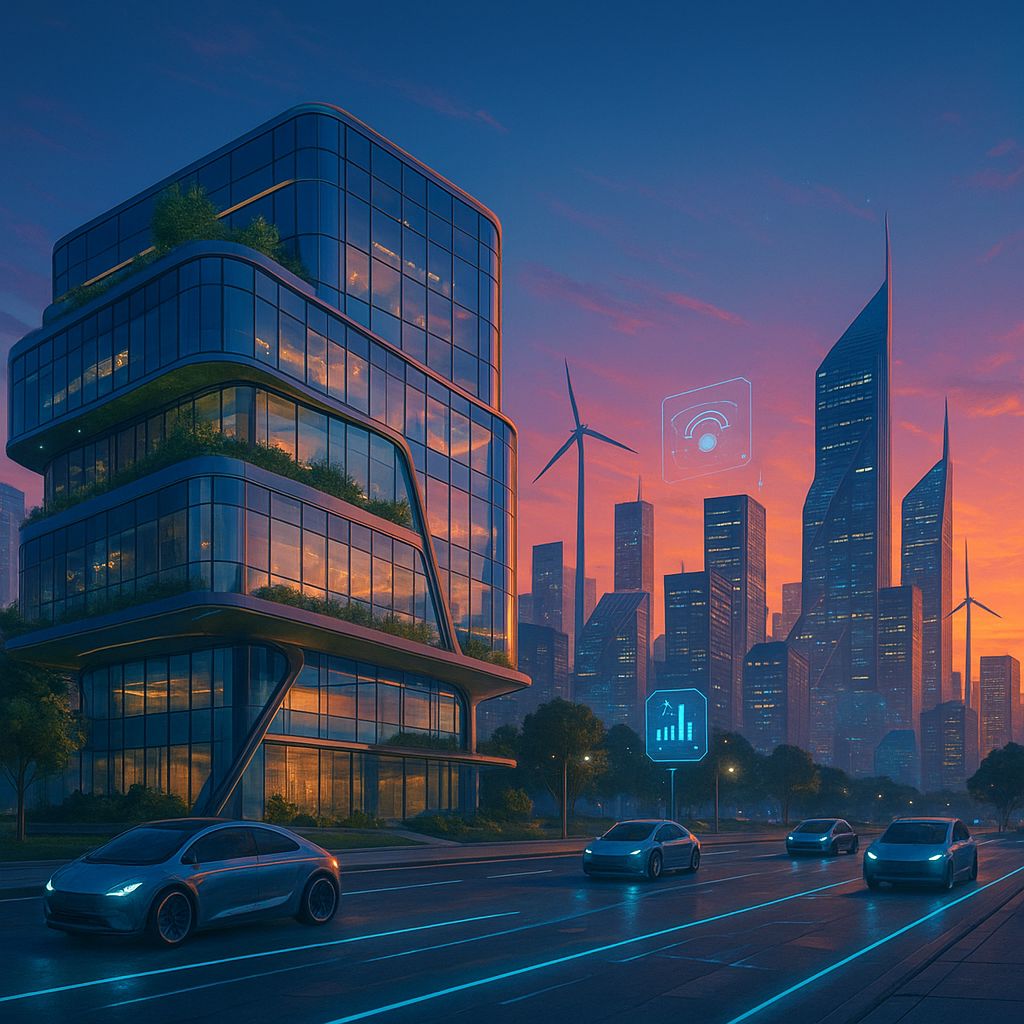
On a bright spring morning in 2026, a prospective homebuyer in downtown Seattle spends just minutes exploring multiple properties—not in person, but through an immersive virtual reality tour that seamlessly integrates real-time neighborhood data, energy efficiency scores, and even future development plans. This scene, increasingly common in metropolitan hubs, encapsulates the profound shifts reshaping real estate today. Far beyond mere transactions, real estate is evolving into a tech-driven, experience-centered ecosystem that redefines how people live, work, and invest.
As urban centers grapple with density, climate change, and shifting demographics, the future of real estate is no longer about square footage alone; it’s about adaptability, sustainability, and intelligence embedded into every facet of property development and management. In 2026, understanding these trends is crucial for investors, developers, policymakers, and residents alike.
“The convergence of smart technology and urban planning is creating real estate that anticipates human needs rather than just responding to market demand.” — Dr. Miriam Shaw, Urban Futurist
From Boom to Transformation: How Real Estate Got Here
The real estate industry’s trajectory over the last two decades sets the stage for today’s transformation. The early 2020s saw a surge in remote work catalyzed by the COVID-19 pandemic, triggering a migration away from traditional urban cores to secondary cities and suburban areas. This shift forced developers and investors to reconsider the traditional value propositions of location and density. The rise of proptech startups introduced AI-driven analytics, blockchain-based transactions, and smarter property management tools, disrupting legacy systems.
Simultaneously, climate concerns intensified. Rising sea levels and extreme weather events reshaped coastal markets, while stringent green building regulations gained traction globally. Cities like Copenhagen and Singapore pioneered integrating nature with urban development, influencing global standards. By 2025, sustainability certifications had become a baseline expectation rather than a competitive advantage.
Financial innovation also played a role. The tokenization of real estate assets democratized ownership, allowing smaller investors to participate in markets previously reserved for institutional players. This financial fluidity increased market participation but introduced volatility and new regulatory challenges.
“Real estate is no longer a static asset class; it’s an adaptive, tech-enhanced ecosystem that mirrors broader societal shifts.” — Carlos Mendes, CEO, Horizon Real Estate Innovations
Technological Catalysts Redefining Property Value
The core of the real estate revolution lies in technology’s ability to redefine what constitutes property value. In 2026, three technological pillars dominate: artificial intelligence, Internet of Things (IoT), and blockchain.
AI-driven data analytics now underpin site selection, pricing, and risk assessment. Machine learning models analyze millions of data points—from local crime statistics to air quality indices—to forecast neighborhood desirability with unprecedented accuracy. For example, AI algorithms can predict gentrification hotspots months before traditional indicators emerge, enabling savvy investors to act early.
Simultaneously, IoT integration transforms buildings into smart ecosystems. Sensors monitor energy consumption, occupancy patterns, and structural health in real-time, enabling dynamic adjustment of heating, lighting, and security systems. The result is not only cost savings but enhanced resident comfort and safety. Smart buildings also support urban sustainability goals by optimizing resource use and reducing carbon footprints.
Blockchain technology revolutionizes transparency and liquidity in real estate markets. By securely recording property titles, transaction histories, and fractional ownership stakes on immutable ledgers, blockchain reduces fraud and accelerates deal closure. Several pilot projects worldwide have demonstrated that blockchain can cut closing times from weeks to days, significantly impacting market fluidity.
- AI-Powered Analytics: Predictive modeling for market trends, risk, and valuation
- IoT Smart Buildings: Real-time monitoring and automation of building systems
- Blockchain Transactions: Transparent, fast, and secure property deals and ownership tracking
2026 Spotlight: Current Trends Shaping Real Estate
Several key trends define the real estate landscape in 2026. First, mixed-use developments have surged, blending residential, commercial, and recreational spaces into integrated neighborhoods. This approach caters to the increasingly experience-driven lifestyle of modern urban dwellers, reducing commute times and fostering community.
Second, adaptive reuse projects—transforming old industrial and commercial spaces into residential or cultural hubs—are gaining momentum, particularly in cities facing housing shortages. These projects preserve architectural heritage while addressing contemporary needs, aligning with sustainability imperatives.
Third, the rise of decentralized work has fueled demand for flexible living spaces. Micro-apartments equipped with modular furniture and smart home systems appeal to digital nomads and remote workers seeking affordability without sacrificing connectivity. In parallel, co-living spaces with shared amenities provide social interaction opportunities previously lacking in remote work environments.
Moreover, affordability remains a critical challenge. Governments worldwide are experimenting with policy tools such as land value taxation, rent controls, and incentives for affordable housing development. Technology also plays a part; platforms that streamline housing subsidies and match tenants to available units enhance accessibility.
Environmental resilience is another priority. Real estate projects increasingly incorporate flood defenses, passive cooling techniques, and renewable energy integration. Cities like Amsterdam have mandated climate adaptation standards for all new developments, influencing global practices.
- Mixed-use developments promote sustainable urban living
- Adaptive reuse addresses housing and heritage preservation
- Flexible and co-living spaces meet remote work demands
- Policy innovation targets housing affordability
- Climate resilience becomes a core design criterion
Voices from the Field: Industry Experts Weigh In
Leading industry figures provide invaluable insights into real estate’s trajectory. Emily Chen, Chief Innovation Officer at GreenBuild Corp, emphasizes the role of sustainability: “The future of real estate hinges on ecological responsibility. Developers who embed circular economy principles into their projects will not only reduce environmental impact but also unlock new value streams.”
Meanwhile, Raj Patel, a veteran real estate investor, highlights the importance of technology adoption: “Investors ignoring AI and blockchain risk obsolescence. These tools provide competitive edges in market analysis, transaction efficiency, and asset management.”
Urban planners advocate for human-centric design. Sofia Martinez, Director of Urban Strategy at MetroPlan, argues, “Technology must serve people, not the other way around. Creating inclusive, accessible spaces that foster social cohesion remains paramount, even as we embrace innovation.”
These perspectives underscore a consensus: real estate’s future depends on integrating technological prowess with sustainability and social equity.
Looking Ahead: What to Watch in Real Estate’s Evolution
The horizon of real estate in the next decade offers both opportunities and challenges. Key areas to monitor include:
- AI Ethics and Regulation: As AI models influence investment decisions and urban planning, ethical considerations and regulatory frameworks will be crucial to prevent bias and ensure fairness.
- Climate Adaptation Financing: Innovative funding mechanisms, such as green bonds and resilience-linked loans, will be needed to support large-scale infrastructure upgrades.
- Demographic Shifts: Aging populations and shifting household compositions will demand diverse housing typologies and accessible design.
- Integration of Virtual and Physical Realities: The blending of metaverse platforms with real-world real estate may redefine property ownership and usage rights.
- Policy Harmonization: Coordinated international policies on data privacy, housing affordability, and environmental standards will shape cross-border investments.
For investors and stakeholders, staying informed and agile is imperative. Detailed strategies and insights can be explored further in our comprehensive reports, such as Mastering Real Estate: Strategies and Insights for Modern Investors and Real Estate in 2026: Trends, Data, and Future Outlook.
Case Studies: Innovation in Action
Several projects exemplify the future direction of real estate:
- The Nexus District, Toronto: An AI-optimized mixed-use development incorporating smart energy grids, green roofs, and community hubs that adapt dynamically to resident needs.
- Old Mill Lofts, Berlin: A successful adaptive reuse of a 19th-century factory into affordable co-living units with shared workspaces, integrating IoT sensors for energy efficiency.
- SunRay Residences, Dubai: A blockchain-enabled property marketplace combined with solar-powered smart homes, offering fractional ownership opportunities to international buyers.
These projects demonstrate how technology, sustainability, and innovative financing converge to create resilient, desirable living environments.
As the sector advances, lessons from such initiatives will inform best practices and inspire new ventures, reaffirming real estate as a dynamic and vital component of global economic and social well-being.