
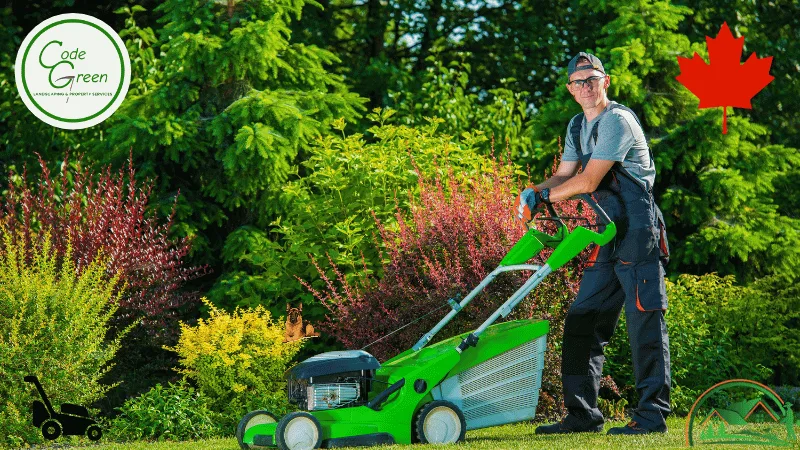
Preparing your yard after winter is an important part of maintaining healthy grass throughout the year. Lawn Care Services in Bedford can help homeowners address winter damage, improve soil conditions, and get their lawns ready for active spring growth. Snow, freezing temperatures, and excess moisture can leave behind bare patches, compacted soil, and accumulated debris that need attention before regular maintenance begins.
A good spring routine starts with checking the condition of the property and identifying which areas need work. These five steps can help Bedford homeowners prepare their lawns for the growing season.
1. Remove Leaves and Winter Debris
Winter can leave branches, fallen leaves, and other debris scattered across the lawn. If this material remains in place, it can block sunlight and restrict airflow around the grass. Wet leaves may also create damp conditions that affect the turf underneath.
Begin by walking around the property and checking areas near trees, fences, garden beds, and pathways. Remove larger branches and use a rake to clear accumulated leaves once the ground is dry enough.
Avoid working heavily on soft or saturated soil. Spring ground conditions can make lawns vulnerable to compaction, particularly after snowmelt and rainfall. Allow the surface to become firm before using heavy equipment.
2. Inspect the Lawn for Winter Damage
Once the debris has been removed, examine the grass for signs of damage. Look for thinning sections, bare patches, discolouration, and areas where grass has not recovered evenly.
Some brown or flattened grass may improve naturally as temperatures rise. However, patches that remain bare or continue to deteriorate may need additional attention.
Pay close attention to areas exposed to heavy foot traffic, standing water, or limited sunlight. These conditions can affect grass differently across the same property. Identifying the problem early makes it easier to decide whether the lawn needs reseeding, soil improvement, or another repair.
3. Check Soil Conditions and Drainage
Spring rainfall and melting snow can leave parts of a lawn unusually wet. Before starting major maintenance, check whether water drains properly or collects in specific areas.
Standing water may indicate compacted soil, uneven ground, or an existing drainage problem. These conditions can restrict root development and make it harder for grass to establish.
Avoid mowing or walking repeatedly across saturated sections. If mower wheels leave marks or the ground feels soft underfoot, wait until the soil becomes firmer.
Where drainage problems continue, the affected area may require further assessment. Correcting the underlying cause is more effective than repeatedly repairing grass in the same wet spots.
4. Prepare the Soil for New Grass Growth
After checking the ground, focus on areas that need improvement. Light raking can remove loose dead material, while damaged sections may require soil preparation before reseeding.
Reseeding is useful for restoring thin or bare areas, but the timing and preparation matter. Grass seed needs suitable soil contact, moisture, and temperature to establish properly. Avoid spreading seed over saturated or poorly prepared ground.
Soil compaction may also need attention. Depending on the condition of the lawn, aeration can help improve the movement of air and water through the soil. Fertiliser should be applied according to the lawn's requirements rather than used automatically at the beginning of spring.
An experienced Lawn Care Contractor can assess these conditions and recommend suitable preparation work for the property.
5. Set a Regular Spring Maintenance Schedule
Once the initial cleanup and inspection are complete, plan the maintenance required as grass growth increases. Mowing, watering, weed checks, and repairs should be scheduled according to the weather and the lawn's condition.
Wait until grass is actively growing and the ground is dry enough before the first mowing session. Cutting too early or removing too much of the grass blade can place unnecessary stress on the lawn.
As temperatures rise, mowing may become more frequent. Watering should depend on rainfall and soil moisture rather than following a fixed daily routine.
For homeowners who need ongoing support, a lawn care company in Bedford can help arrange regular visits based on the property's size and maintenance requirements. Code Green Landscaping provides lawn care and property maintenance services for residential and commercial properties in Bedford.
When Should You Begin Spring Lawn Preparation?
The right time depends on local weather and soil conditions. Homeowners can begin inspecting their properties as winter starts to ease, but major lawn work should wait until the ground is no longer frozen or saturated.
Debris removal and basic inspections can help identify problems early. Mowing, reseeding, and soil treatments should follow when temperatures and ground conditions are suitable for the work.
Planning ahead also helps avoid delays during the busy spring maintenance period.
Conclusion
Preparing a lawn for spring involves more than clearing leaves and starting the mower. Removing debris, checking winter damage, assessing drainage, improving soil conditions, and arranging regular maintenance all contribute to better grass growth.
By addressing these tasks at the right time, Bedford homeowners can reduce common lawn problems and prepare their properties for the growing season. Regular Lawn Care Services in Bedford can also help keep maintenance on schedule as grass growth and weather conditions change.