Ever walked into a beautifully decorated room and felt that something was missing? The furniture looks lovely, the colours work well together, but the space still feels a little cold. Often, the missing ingredient isn't another piece of furniture. It's texture.
One of the simplest ways to make a home feel cosy is to combine comfortable flooring, soft furnishings and contrasting textures that make a room feel warm and welcoming without overcrowding it. And while cushions and throws usually get the attention, creating that cosy atmosphere can start much earlier, right beneath your feet with the right carpets, rugs or sometimes just the perfect laminate.
Why Does Texture Make a Room Feel Cosier?
Think about two living rooms. One has a smooth floor, a leather sofa, glass furniture and plain walls, while the other has a soft carpet, a woven throw, linen curtains and a few textured cushions. Both could look equally stylish, but they create very different impressions.
In interior design, texture adds visual depth and contrast, giving a room character without necessarily introducing more furniture or colour. Even a room decorated entirely in neutral shades can feel interesting when it brings together different materials and finishes.
The trick is to balance smooth, soft, rough and woven surfaces rather than making everything match. Something as simple as pairing a wooden coffee table with a textured rug can change the overall appearance of a seating area.
Start from the Floor: The Foundation of a Cosy Home
When decorating, it's tempting to focus on sofas, paint colours and lighting first. But flooring influences how a room feels from the moment you walk into it, making it a good place to begin when planning your interiors.
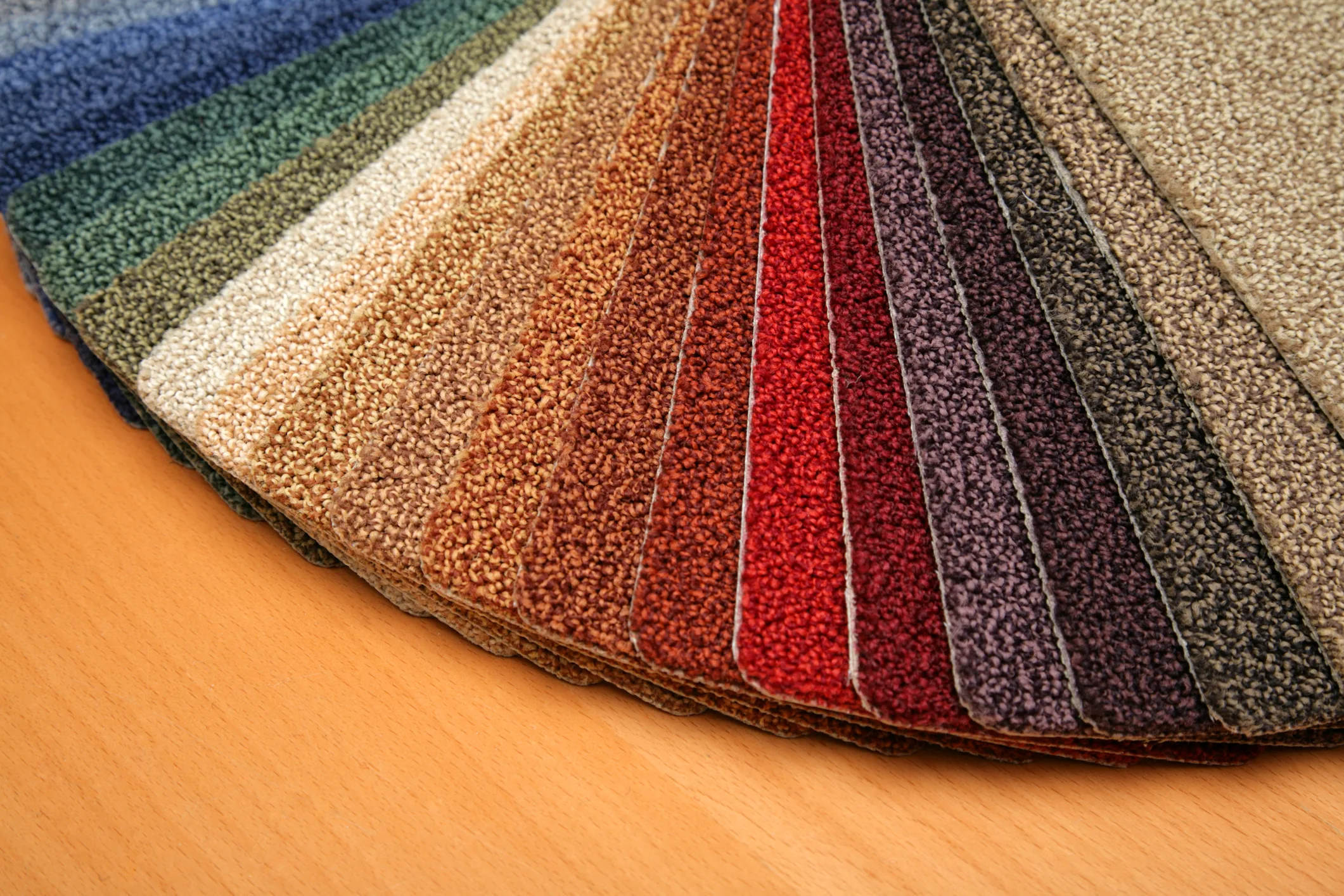
Carpet introduces softness across an entire space, making it an appealing option for bedrooms and living rooms where comfort is a priority. From the natural appearance of wool carpets to the understated look of neutral and textured designs, there's plenty of room to experiment with different styles.
Don't overlook what's underneath the carpet, either. Choosing a suitable carpet underlay and flooring accessories is part of creating a floor that feels comfortable and looks well finished.
It's also worth thinking about how you use the room. A busy family living room with children and pets may call for different flooring choices from a quiet bedroom, particularly when everyday cleaning and wear are part of the picture. Taking advantage of free carpet and flooring samples can help you see how different finishes work alongside your furniture and in your home's lighting. If you're planning a complete flooring update, ask about free measuring services, quotations and professional flooring fitting before making your decision.
How to Layer Textures in Interior Design Without Creating Clutter
Here's where many people get stuck. You want your home to feel cosy, but you don't want every surface covered with blankets, cushions and decorations. Rather than buying more interior furnishings, think about how your flooring, fabrics and existing furniture can complement one another. A helpful way to approach this is to think of texture in three layers.
| Texture layer | Examples | Its role in the room |
| Foundation | Carpets and rugs | Creates a comfortable visual base for the room. |
| Comfort | Cushions, curtains and upholstery | Introduces softness around everyday living areas. |
| Contrast | Wood, ceramics and woven accessories | Adds character and balances softer materials. |
Imagine a living room with a neutral carpet, a linen sofa and a wooden coffee table. A knitted throw and a ceramic lamp could be all you need to bring those different textures together.
You can also repeat a material or colour in another part of the room. For instance, a woven cushion might complement a textured rug, helping the space feel connected without everything looking identical.
This approach is particularly useful in smaller homes, where introducing texture through existing furnishings allows you to create a cosy atmosphere without taking up valuable floor space with additional furniture.
How Can Rugs Make Hard-Floored Rooms Feel Cosier?
You don't have to replace your existing flooring to give a room a softer, more welcoming appearance. Whether you have wood-effect laminate flooring, luxury vinyl tiles (LVT) or vinyl flooring, introducing a rug can create an interesting contrast between hard and soft surfaces.
Rugs are particularly useful if you enjoy the look of hard flooring or live in a rented property where permanent changes aren't practical. A well-placed rug can define a seating area, introduce colour and add softness exactly where you want it. However, choosing the right rug involves more than finding a pattern you like.
Here are a few things to consider:
- Size: Consider a rug that extends beneath the front legs of your sofa and armchairs to visually connect the seating area.
- Texture: A woven rug can complement smooth upholstery, while a softer rug may suit a relaxed bedroom setting.
- Colour: Pick up a shade already present in your curtains, cushions or furniture to create a more coordinated appearance.
- Practicality: Think about foot traffic, cleaning requirements and how securely the rug sits on your existing floor.
If you're looking for inspiration, browsing the rug collection at Potters Carpets and Beds can help you visualise how different styles might work alongside your existing furniture and flooring.
Rugs aren't just for hard floors, either. Layering a rug over an existing carpet is another way to introduce pattern, colour or contrast, particularly if your carpet is relatively plain. Just make sure the rug sits securely and its edges don't create a trip hazard.
Cosy Home Ideas for Different Rooms
The textures that work beautifully in a bedroom might not be the most practical choice for a busy hallway. Tailoring your approach to each room helps you balance comfort, appearance and everyday use.
Living Room: Create a Comfortable Gathering Space
Start by focusing on the seating area rather than trying to decorate the entire room at once. A carpet or generous rug, paired with comfortable upholstery and a few contrasting fabrics, can help create a welcoming space for relaxing or spending time with family.
If the room already has patterned furniture or wallpaper, a simpler flooring design might help balance the overall look. In a smaller living room, keeping the colour palette relatively consistent while varying the textures can help create interest without making the space feel crowded.
Bedroom: Make Comfort a Priority
Think about the surfaces you interact with at the beginning and end of each day. Comfortable beds and mattresses are an important part of the bedroom, but the materials surrounding them deserve just as much attention. Soft flooring beside the bed, layered bedding and curtains that complement your colour scheme can make the room feel more inviting.
If you're updating your bedroom, consider how your choice of bed, flooring and fabrics will work together rather than treating each as a separate purchase.
You don't have to stick to beige or cream to achieve a cosy look, either. Muted greens, soft blues, earthy shades and deeper colours can work just as beautifully alongside soft, natural-looking textures. It's the combination of colours and materials that matters, rather than following a particular colour palette.
Hallway: Make a Welcoming First Impression
Hallways often have limited space, so introducing texture through the floor can be more practical than adding decorative furniture. A suitable runner or carefully chosen carpet can bring visual interest to an otherwise plain entrance.
Just make sure your flooring choice suits the level of foot traffic and that any runner is securely positioned without creating a trip hazard.
Bringing It All Together
A cosy home doesn't need to look like a furniture showroom. You might prefer a clean, modern space with just a few soft details, or perhaps you enjoy rich colours, layered fabrics and plenty of character. Either way, your interiors should reflect how you actually live.
You don't need a generous decorating budget to get started. Rearranging existing furniture, swapping cushion covers or introducing a well-chosen rug can give a room a fresh appearance without requiring a complete makeover.
Start with the flooring and furniture you already have, consider where a little extra softness would make a difference and build from there. When carpets, rugs and textures work together, even the simplest interiors can feel comfortable, personal and genuinely welcoming.