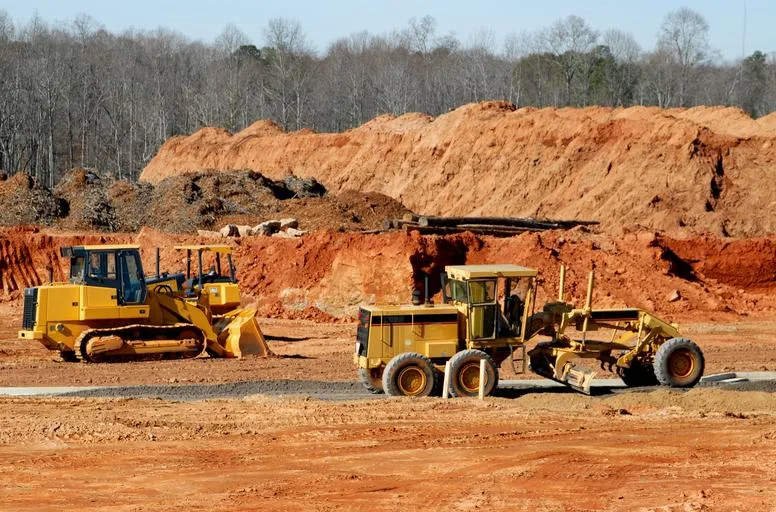
On a construction site, idle equipment is the most expensive thing on the property. A dozer waiting for fuel isn’t moving dirt, the operator on the clock isn’t producing, and the schedule slips a little further behind. A well-run construction fuel service turns that liability into recovered productivity, but only if the operation uses it strategically.
Here are eight strategies that separate the job sites running ahead of schedule from the ones bleeding hours at the pump.
1. Fuel equipment in place, not at the station
The single biggest productivity gain comes from eliminating off-site fuel runs entirely. Excavators, dozers, loaders, and generators get fueled where they sit. Operators stay on their machines, and the equipment stays in the cut.
2. Schedule deliveries around the work, not the calendar
Smart sites time fuel deliveries to early-morning windows before the crew mobilizes, or overnight when the equipment is parked. Fuel arrives during downtime that already exists, so no productive hour gets spent on it.
3. Match supply cadence to the job phase
Fuel burn during mass excavation looks nothing like fuel burn during finish grading. A capable construction fuel service adjusts delivery volume and frequency as the project moves through its phases, so the site is never over-supplied or scrambling.
4. Use on-site storage for high-burn phases
When a site is consuming hundreds of gallons a day, a temporary on-site tank reduces delivery frequency and locks in supply during the most equipment-intensive weeks. Pair it with scheduled top-offs and the tank never runs dry.
5. Track consumption by equipment, not just by site
Gallon-level reporting by machine surfaces problems early. A loader burning 12% above baseline usually means a maintenance issue worth catching before it becomes a breakdown. Site-level totals hide that; machine-level data exposes it. On a project where a single equipment failure can stall an entire phase, that early warning is worth far more than the reporting costs to produce.
6. Bundle DEF with diesel deliveries
Tier 4 equipment requires diesel exhaust fluid at regular intervals. Sourcing DEF separately is one more thing to forget on a busy site. Bundling it with fuel deliveries means no one runs dry mid-shift, and the procurement headache disappears.
7. Keep documentation audit-ready
Off-road construction diesel carries tax treatment that differs from on-road fuel, and clean delivery records are what protect that exemption. A provider who archives delivery tickets and bills of lading consistently keeps the project covered when the auditor calls.
8. Choose a partner with real responsiveness
Construction doesn’t stop for weekends or weather. A fuel partner with genuine 24/7 dispatch and the capacity to handle an emergency top-off is the difference between a generator that keeps the site dewatered overnight and one that quits at 2 AM.
Construction fuel service is rarely the first thing a project manager thinks about until a fuel gap costs a day on the schedule. Efficient sites treat fuel as part of their operations plan, with the same rigor they apply to equipment scheduling and material delivery.
Get the flow, storage, documentation, and responsiveness right, and fuel stops being a source of downtime. It becomes another system quietly working in the background while the crew focuses on building. The general contractors who run the tightest schedules treat their fuel program with the same discipline they bring to subcontractor coordination, and it shows up in their completion dates.