
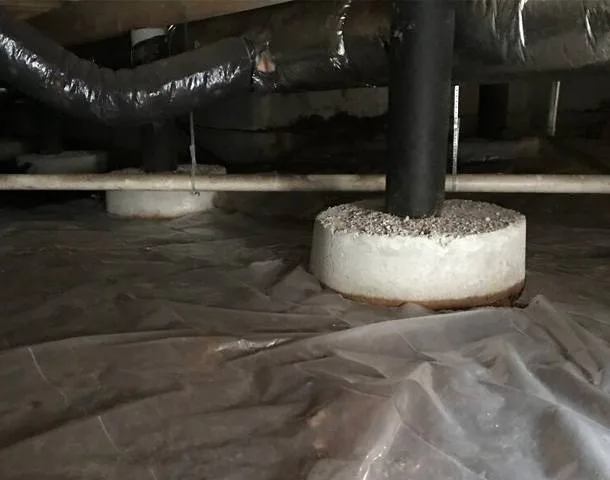
Choosing the Best Basement Waterproofing Solution for Your Property
A basement is an important part of any property, whether it is used for storage, additional living space, or household utilities. However, excess moisture, water seepage, and poor drainage can affect its condition over time. Without proper protection, these problems may lead to damaged walls, unpleasant odors, mold growth, and foundation concerns.
Choosing the right waterproofing solution helps address moisture problems and protect your property from water-related damage. If you are searching for basement waterproofing near me, understanding the available waterproofing methods can help you make an informed decision.
1. Identify the Source of Water Intrusion
Before selecting a waterproofing method, it is important to understand where the water is coming from. Different moisture problems require different solutions.
Common sources include:
- Foundation Cracks: Small openings in concrete walls and floors can allow groundwater to enter the basement.
- Poor Exterior Drainage: Improper soil grading, clogged gutters, and short downspouts can direct rainwater toward the foundation.
- Groundwater Pressure: Excessive groundwater around foundation walls can force moisture through concrete and basement floor joints.
- Plumbing Leaks: Damaged water supply lines, drainage pipes, and plumbing fixtures can also contribute to basement moisture.
Identifying the source helps determine which waterproofing approach is most appropriate.
2. Consider Interior Basement Waterproofing
Interior waterproofing focuses on managing water that enters the basement. These systems collect and redirect water to prevent it from accumulating inside the property.
Common interior waterproofing solutions include:
- Interior Drainage Systems: Collect water along basement walls and direct it toward a drainage outlet.
- Sump Pump Installation: Removes collected water from a sump basin and redirects it away from the foundation.
- Foundation Crack Repair: Uses appropriate sealing materials to address certain cracks and reduce water penetration.
- Interior Moisture Barriers: Help manage moisture on suitable basement wall surfaces.
Interior waterproofing can be a practical option when water intrusion needs to be managed without extensive exterior excavation.
3. Evaluate Exterior Basement Waterproofing
Exterior waterproofing focuses on preventing water from penetrating foundation walls from the outside. It generally involves inspecting exterior foundation surfaces and applying appropriate waterproofing materials.
Common exterior waterproofing methods include:
Waterproofing Membranes: Specialized membranes create a protective layer on exterior foundation walls.
Damp Proofing: Spray-applied moisture barriers help reduce moisture absorption through suitable foundation surfaces.
Exterior Drainage Systems: These systems help collect groundwater and direct it away from the foundation.
Foundation Wall Sealing: Appropriate sealing materials help address vulnerable areas where water may enter.
Exterior waterproofing may be suitable for properties experiencing repeated water penetration through foundation walls.
4. Understand the Role of Sump Pumps
Sump pumps are an important part of many basement waterproofing systems. They are installed in a specially designed basin where water collects before being pumped away from the property.
A properly selected sump pump can help:
- Remove accumulated groundwater.
- Reduce basement flooding risks.
- Support interior drainage systems.
- Manage water during periods of heavy rainfall.
Homeowners may also consider battery backup systems to help maintain pump operation during power outages.
5. Check Your Property's Drainage Conditions
Exterior drainage plays an important role in preventing basement moisture problems. Even a properly waterproofed foundation can experience water-related issues if rainwater repeatedly collects around the property.
Consider checking the following:
- Keep gutters and downspouts clear.
- Direct downspout discharge away from foundation walls.
- Maintain suitable ground grading around the property.
- Prevent water from collecting near basement windows.
- Inspect exterior drainage systems regularly.
These maintenance practices can help reduce unnecessary water exposure around the foundation.
6. Consider Professional Basement Waterproofing Services
Choosing the right waterproofing solution can be challenging without understanding the underlying moisture problem. A professional inspection can help identify water entry points, evaluate foundation conditions, and determine suitable repair methods.
When looking for basement waterproofing near me, consider these factors:
- Experience with different waterproofing systems.
- Knowledge of foundation repair and drainage solutions.
- Detailed inspection and problem assessment.
- Clear explanations of recommended repairs.
- Written estimates and warranty information.
Working with experienced professionals can help you avoid temporary fixes and choose solutions that address the actual source of water intrusion.
Benefits of Choosing the Right Waterproofing Solution
Proper basement waterproofing offers several advantages for homeowners:
- Helps prevent unwanted water intrusion.
- Reduces moisture-related damage.
- Protects basement walls and flooring.
- Helps control conditions that encourage mold growth.
- Supports long-term foundation maintenance.
- Makes basement spaces more usable.
Conclusion
Choosing the best basement waterproofing solution starts with understanding the cause of water intrusion and evaluating your property's foundation and drainage conditions. Interior drainage systems, sump pumps, exterior waterproofing membranes, and foundation crack repairs can all play important roles in managing basement moisture.
If you are searching for basement waterproofing near me, focus on finding a suitable solution based on your property's specific needs. Addressing moisture problems early can help protect your foundation, reduce water damage, and maintain a dry and functional basement.