
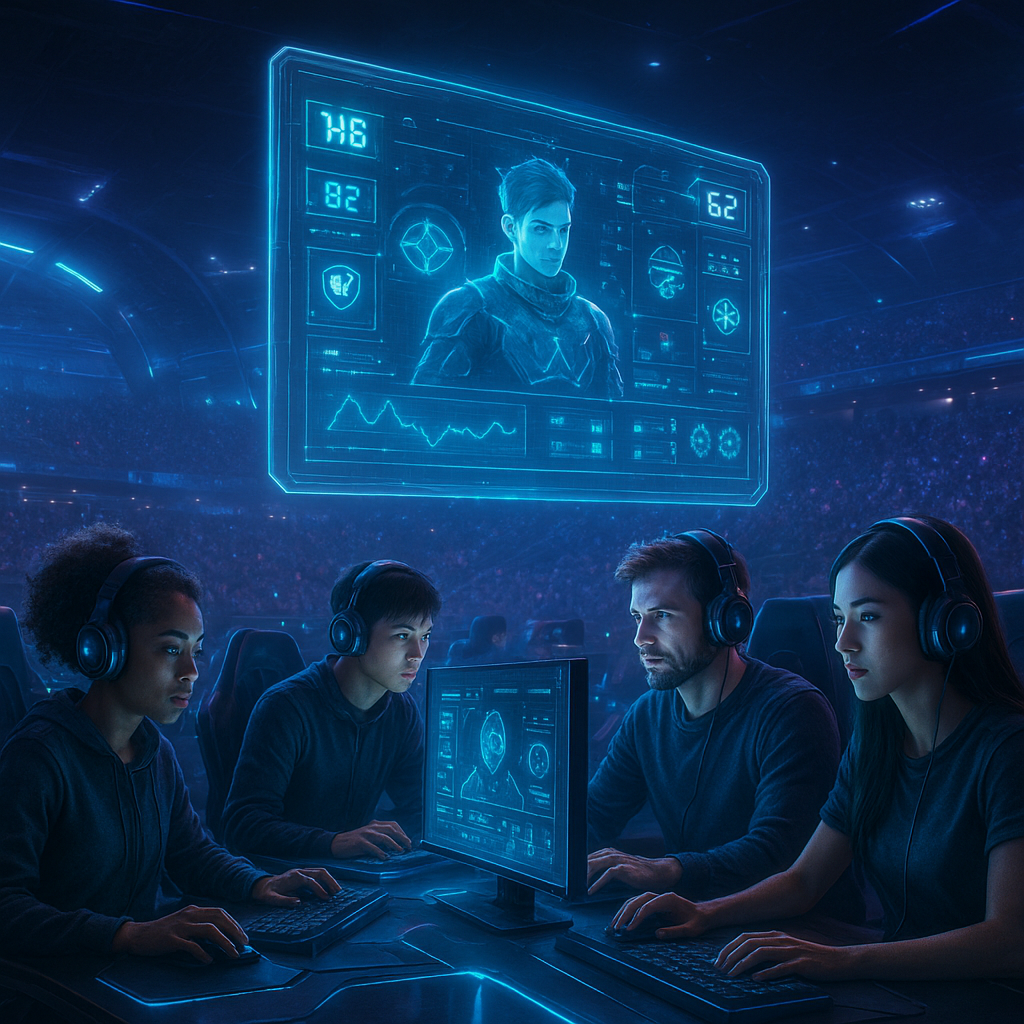
Introduction: Esports at a Crossroads
As we progress through 2026, esports has cemented itself as a dominant force in the global entertainment landscape. From humble beginnings as niche gaming competitions, esports now rivals traditional sports in viewership, revenue, and cultural impact. But what does the future hold for this dynamic industry? In this comprehensive exploration, we delve into the trends, technological innovations, and societal shifts shaping the next era of esports. This article not only expands on foundational insights but also connects to broader narratives found in How Esports Is Redefining Competition, Culture, and Commerce in 2026 and How AI and Immersive Tech Are Shaping Esports’ Next Frontier, providing a holistic view of the esports ecosystem today.
The Evolution of Esports: From Past to Present
To understand where esports is headed, it’s crucial to first review how it got here. Over the past two decades, esports transformed from casual LAN parties and community tournaments into a structured industry with professional teams, leagues, and massive global audiences. Titles like League of Legends, Dota 2, and Counter-Strike paved the way, creating archetypes for competitive formats and fan engagement. The 2020s saw the expansion of esports into mainstream media, sponsorship deals with Fortune 500 companies, and the rise of streaming platforms as central hubs for content consumption.
Today, esports is no longer just about the games themselves but also about the cultural phenomena surrounding them. The integration of music, fashion, and lifestyle brands into esports reflects its maturation into a multifaceted entertainment sector. This evolution is dissected in detail in How Esports Is Redefining Competition, Culture, and Commerce in 2026, which highlights the interplay between competition and commerce in shaping modern esports.
Technological Innovations Driving the Future
Among the most significant drivers of esports’ future are technological breakthroughs, particularly in artificial intelligence (AI), virtual reality (VR), and augmented reality (AR). These technologies are not only enhancing gameplay and spectator experiences but also redefining training, broadcasting, and fan interaction.
Artificial Intelligence: Beyond Gameplay
AI is revolutionizing esports in multifaceted ways. Advanced AI algorithms now assist in real-time strategy formulation, enabling players and coaches to analyze opponents’ tactics more effectively. AI-driven analytics platforms provide granular data on player performance, facilitating personalized training regimens that optimize skill development and mental preparation.
Moreover, AI is instrumental in content creation and moderation. Automated highlight reels, instant replays with dynamic camera angles, and AI-powered commentary bots are augmenting traditional broadcasting, making esports more accessible and engaging to diverse audiences. These advancements are elaborated on in How AI and Immersive Tech Are Shaping Esports’ Next Frontier, which explores the cutting-edge applications of AI within competitive gaming.
Immersive Technologies: VR and AR Experiences
Virtual reality is breaking down barriers between players and fans by creating fully immersive environments. VR esports arenas allow fans to experience matches as if they were inside the game, offering 360-degree views and interactive elements that traditional broadcasts cannot match. This immersive experience fosters deeper emotional connections and presents new monetization opportunities through virtual merchandise and exclusive access passes.
Augmented reality enhances live events by overlaying real-time statistics, player biometrics, and interactive graphics onto physical stages or broadcasts. AR applications extend into training, where players can simulate complex scenarios or rehearse strategies within augmented spaces. These immersive technologies are rapidly becoming standard components of esports infrastructure, transforming how audiences engage with the content.
Societal Shifts and Esports’ Expanding Cultural Footprint
Beyond technology, societal changes are steering the esports industry towards greater inclusivity, diversity, and global reach. As esports gains legitimacy, it is increasingly recognized as a career path, with formal educational programs, scholarships, and professional development opportunities emerging worldwide.
Inclusion and Diversity Initiatives
The esports community has historically grappled with issues of gender imbalance and representation. However, 2026 shows encouraging progress, with numerous organizations implementing policies to foster inclusivity. Women’s leagues, LGBTQ+ support networks, and grassroots initiatives aim to dismantle barriers and create welcoming environments for all participants.
This cultural transformation enriches the competitive landscape by broadening the talent pool and encouraging innovation. Furthermore, it enhances the social responsibility profile of esports brands, aligning them with contemporary values and expectations.
Globalization and Regional Growth
While North America, South Korea, and China have long been esports powerhouses, new regions are rapidly emerging as influential players. Southeast Asia, Latin America, and parts of Europe are witnessing exponential growth in esports participation and infrastructure. This globalization diversifies the competitive meta and fanbase, creating a truly worldwide ecosystem.
Localized content, regional tournaments, and cross-border collaborations foster cultural exchange and economic development. The increasing visibility of these markets in mainstream media also attracts investment, further accelerating growth.
Economic Dynamics: Monetization and Market Expansion
The economic landscape of esports continues to evolve, driven by innovative monetization strategies and expanding market segments. Revenue streams have diversified beyond traditional sponsorships and advertising to include digital collectibles, franchising models, and fan-driven commerce.
Digital Economy: NFTs and Virtual Goods
Non-fungible tokens (NFTs) and blockchain technology have enabled new forms of asset ownership within esports. Fans can purchase unique digital collectibles tied to their favorite teams, players, or memorable moments. These assets can be traded or showcased in virtual spaces, creating ongoing engagement and revenue opportunities.
Teams and event organizers leverage NFTs to offer exclusive experiences, such as VIP backstage passes or personalized interactions, thus deepening fan loyalty. However, the industry continues to navigate regulatory and environmental concerns surrounding blockchain adoption.
Franchise Models and League Structures
Franchising has become a dominant model for esports leagues, providing stability and long-term investment potential. Franchise owners benefit from revenue sharing, merchandising rights, and territorial branding, aligning esports more closely with traditional sports business frameworks.
This structure encourages professionalization, infrastructure development, and sustained competitive quality. However, it also raises questions about accessibility for emerging teams and grassroots initiatives, demanding balanced governance approaches.
The Role of Media and Streaming Platforms
Media platforms remain central to esports’ growth, serving as both content distributors and community hubs. The evolution of streaming technology and interactive features continues to redefine spectator experiences, making esports more participatory and social.
Interactive Streaming Experiences
Modern streaming platforms integrate chat functions, polls, and mini-games within live broadcasts, allowing viewers to influence content and engage directly with players and commentators. Such interactivity enhances viewer retention and creates dynamic communal experiences.
Additionally, multi-view and multi-language streams cater to diverse international audiences, breaking down language barriers and cultural divides. The integration of AI-driven personalization enables tailored content recommendations, optimizing viewer satisfaction.
Traditional Media Integration
Esports’ penetration into traditional media channels, including television and radio, broadens its audience base. Collaborations between esports organizations and broadcasters facilitate hybrid events that blend live gaming with entertainment elements, attracting casual viewers and non-endemic sponsors.
This media convergence strengthens esports’ legitimacy and visibility, positioning it alongside other major sports and entertainment industries.
Challenges and Ethical Considerations
Despite its rapid ascent, esports faces challenges related to player welfare, regulatory frameworks, and ethical standards. Addressing these concerns is essential for sustainable growth and industry credibility.
Player Health and Burnout
Competitive gaming demands intense mental focus and physical endurance, often leading to burnout, repetitive strain injuries, and mental health struggles. Forward-thinking organizations now prioritize comprehensive health programs, including physical therapy, psychological support, and balanced scheduling to safeguard players’ well-being.
Regulation and Governance
The esports industry currently operates within a patchwork of national and international regulations, complicating issues like player contracts, doping controls, and match-fixing prevention. Establishing unified governance bodies and standardized rules remains a priority to ensure fairness and transparency.
Ethical Use of AI and Data
While AI enhances performance and broadcasting, it also raises ethical questions around privacy, data security, and potential competitive advantages. The industry must develop clear guidelines governing AI use to maintain integrity and protect stakeholders.
Looking Ahead: Predictions for Esports Beyond 2026
As we look to the future, several emerging trends promise to further transform esports.
- Hyper-Personalized Fan Engagement: Utilizing AI and big data, esports brands will create tailored experiences that respond dynamically to individual fan preferences.
- Cross-Industry Collaboration: Partnerships between esports, traditional sports, entertainment, and tech sectors will generate new hybrid formats and revenue models.
- Expanded Educational Pathways: Universities and academies will deepen esports curricula, emphasizing not only gameplay but also management, marketing, and technology skills.
- Enhanced Sustainability Practices: Environmental considerations will guide event planning, digital infrastructure, and merchandise production, aligning esports with global sustainability goals.
These trajectories underscore esports’ potential to evolve beyond its current boundaries, integrating more deeply into societal, technological, and economic fabrics.
Conclusion
In 2026, esports stands at an exciting inflection point. Fueled by technological innovation, expanding cultural relevance, and evolving economic models, the industry’s future is vibrant yet complex. Success will depend on balancing growth with inclusivity, innovation with ethics, and commercialization with community values.
For readers interested in a deeper dive into the forces shaping esports’ global surge, Inside Esports: Unraveling the Forces Behind Competitive Gaming’s Global Surge offers valuable insights into the multifaceted dynamics at play. Meanwhile, exploring How Esports Is Redefining Competition, Culture, and Commerce in 2026 enriches understanding of the broader cultural and commercial contexts.
As esports continues to evolve, it invites stakeholders and fans alike to participate in shaping a future where competitive gaming is not only a spectacle but a vibrant, inclusive, and innovative global phenomenon.