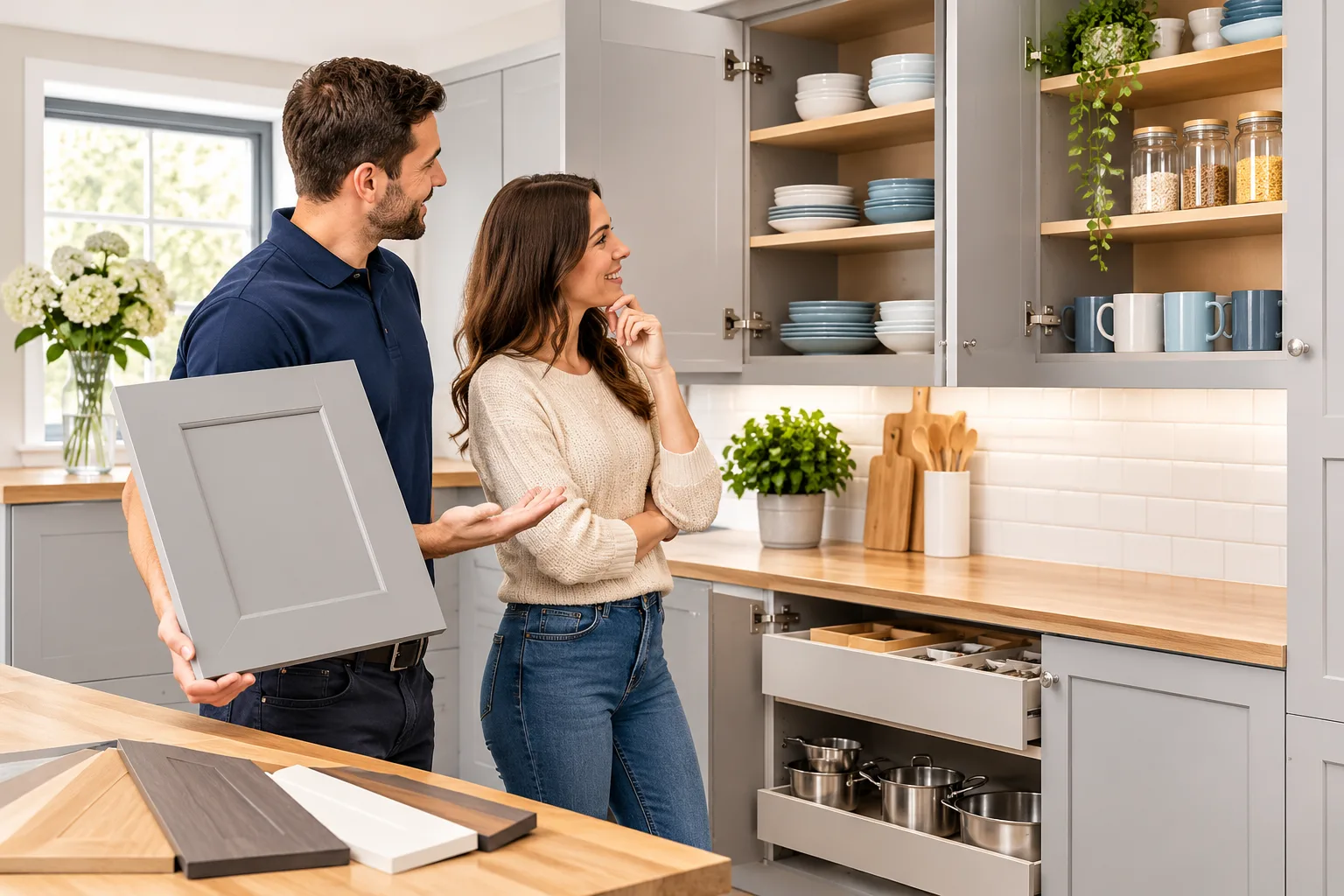
Storage is an important part of every home. Whether it is a kitchen, bedroom, living room or utility area, having enough storage makes daily activities easier. A well-organised space also helps keep household items in their proper places and reduces unnecessary clutter. However, creating useful storage is not always easy, especially when the available space is limited or the room has an unusual layout. Choosing the right cupboards can make a noticeable difference in how a home looks and functions.
A well-planned cupboard does more than provide extra space. It helps homeowners organise their belongings, use available areas wisely and keep everyday items within easy reach. This is where a cupboard supplier can help. By offering different cupboard designs, sizes, materials and storage options, a supplier can help homeowners find solutions that suit their rooms and daily requirements.
Working with a suitable supplier also makes it easier to understand which cupboard styles and layouts may work best for a particular space. From simple storage units to specially designed cupboards, the right choice can improve both convenience and the overall appearance of an interior.
Understanding Your Storage Requirements
Before choosing cupboards, it is important to understand what needs to be stored and how much space is available. Every household has different storage requirements. Some people need more room for kitchen equipment, while others may require cupboards for clothing, household supplies or personal belongings.
A cupboard supplier can help homeowners explore options based on their storage needs. For example, a kitchen may require separate sections for plates, cooking equipment, food containers and cleaning products. A bedroom may need hanging space, shelves and drawers for clothing and accessories.
Thinking about these requirements before purchasing cupboards can prevent storage problems later. It also helps homeowners avoid choosing units that are either too large or too small for their needs.
Making Better Use of Available Space
One of the main benefits of well-designed cupboards is that they help make better use of available space. In smaller homes, every part of a room matters. Poorly planned storage can take up valuable floor space and make rooms feel crowded.
Cupboards can be selected according to the room's dimensions and layout. Tall cupboards, for example, can make use of vertical space without occupying too much floor area. Corner cupboards can also help make otherwise unused areas more practical.
A supplier can help homeowners consider different cupboard sizes and arrangements. This is particularly useful when dealing with narrow kitchens, compact bedrooms or rooms with limited storage areas.
When cupboards are planned around the available space, they can provide useful storage without affecting movement around the room.
Choosing the Right Cupboard Design
Cupboard design affects both appearance and everyday use. A suitable design should match the room's interior while providing enough storage for regular household activities.
There are several cupboard styles to consider, depending on the space and intended purpose.
Wall-Mounted Cupboards
Wall-mounted cupboards are useful when floor space is limited. They provide additional storage while keeping the area below them free. These cupboards are commonly used in kitchens, bathrooms and utility rooms.
Floor-Standing Cupboards
Floor-standing cupboards offer storage for larger or heavier household items. They can include shelves, drawers or separate compartments to help organise different belongings.
Built-In Cupboards
Built-in cupboards are designed to fit into specific areas of a room. They can make use of spaces that may not suit standard storage units. They are often considered for bedrooms, hallways and kitchens.
Corner Cupboards
Corner cupboards help make use of areas that might otherwise remain unused. Depending on the design, they can provide useful storage for kitchen supplies, cookware and other household items.
Choosing the right design depends on the room size, storage requirements and personal preferences.
Selecting Suitable Cupboard Materials
The material used to make a cupboard affects its appearance, strength, maintenance and expected lifespan. Different materials offer different benefits, so it is worth understanding the available choices before making a purchase.
Wood is a popular option because it offers a natural appearance and can suit many interior styles. It is available in different finishes, making it suitable for both traditional and modern spaces.
Engineered wood products, such as MDF and plywood, are also commonly used in cupboard construction. They offer different surface and design options and may suit various budgets. Metal cupboards can be useful in utility areas and other spaces where practical storage is needed.
When comparing materials, homeowners should consider:
- Strength: Check whether the material is suitable for the items being stored.
- Moisture resistance: Consider how the cupboard may perform in areas exposed to moisture.
- Maintenance: Look at how easily the surface can be cleaned.
- Appearance: Choose a finish that complements the room.
- Durability: Consider the expected lifespan and everyday use.
Understanding these details can help homeowners select cupboards that suit their requirements.
Improving Kitchen Organisation
The kitchen is one of the busiest areas in a home. It contains cookware, food items, utensils, appliances and cleaning products, all of which need suitable storage.
Without proper cupboard arrangements, kitchen surfaces can quickly become crowded. Well-planned cabinets help keep essential items organised and make everyday cooking more convenient.
For example, lower cupboards can be used for heavier cookware, while upper cabinets can hold plates, glasses and other frequently used items. Separate compartments can also help keep food containers, spices and kitchen accessories organised.
Pull-out shelves and drawer organisers are useful additions because they make stored items easier to access. Corner storage systems can also help homeowners use difficult areas more effectively.
When planning kitchen cupboards, it is helpful to consider how people move around the room. Items used regularly should be stored in convenient locations, while less frequently used belongings can be placed in higher or less accessible sections.
Creating Practical Bedroom Storage
Bedrooms need storage that keeps clothing, accessories and personal belongings organised. Cupboards can help reduce clutter while making it easier to find items when needed.
A bedroom cupboard can include different storage sections for different purposes. Hanging rails are suitable for shirts, dresses and coats, while shelves can hold folded clothing, bags and bedding. Drawers can provide space for smaller items such as socks and accessories.
The size and layout of the cupboard should match the available bedroom space. In smaller rooms, sliding-door cupboards can be a practical choice because they do not need additional space for doors to swing open.
For larger bedrooms, wider cupboards with multiple sections may provide more storage flexibility. Selecting a suitable layout can help create an organised bedroom without making the room feel overcrowded.
Making Storage Easier with Internal Features
The inside of a cupboard is just as important as its external design. A cupboard may look attractive from the outside, but if its internal layout is not practical, it may not provide the storage convenience homeowners expect.
Different internal features can make cupboards easier to use. Some useful options include:
- Adjustable shelves for storing items of different sizes.
- Pull-out drawers for smaller household belongings.
- Hanging rails for clothing and accessories.
- Dividers for separating different types of items.
- Pull-out baskets for easier access to stored products.
- Soft-close hinges for quieter cupboard doors.
- Organisers for keeping kitchen and household supplies in order.
Not every cupboard needs all these features. The most useful options depend on what will be stored and how frequently the cupboard will be used.
Matching Cupboards with Interior Design
Cupboards are practical storage units, but they also contribute to the overall appearance of a room. Their colour, finish, handles and door style can influence the look of an interior.
For modern homes, simple cupboard designs with clean lines and neutral colours are popular choices. White, grey and natural wood finishes can create a balanced appearance.
Traditional interiors may suit cupboards with detailed doors, warm wood finishes and decorative handles. Minimalist spaces often benefit from plain cupboard fronts and simple hardware.
It is also important to consider how cupboard colours work with walls, flooring, worktops and other furniture. The finishes should complement one another and create a balanced appearance.
Considering Cupboard Size and Measurements
Taking accurate measurements is an important step before purchasing cupboards. Even a well-designed cupboard may not work properly if it does not fit the available area.
Homeowners should measure the width, height and depth of the intended space. It is also useful to check nearby doors, windows, electrical points and appliances that could affect cupboard placement.
For kitchen cupboards, measurements should account for worktops, appliances and the space needed to open doors and drawers. Bedroom cupboards should also allow enough room for comfortable movement.
Before confirming an order, it is worth checking the cupboard dimensions against the actual room layout. This simple step can help reduce fitting problems and avoid unnecessary changes later.
Why Choosing the Right Cupboard Supplier Matters
Choosing cupboards involves more than selecting a design from a catalogue. Homeowners need to consider measurements, materials, storage requirements, finishes and overall quality.
A suitable supplier can make this process easier by providing information about available products and helping customers compare different options. This can be especially helpful for people who are renovating a kitchen, updating bedroom storage or planning cupboards for a new home.
Before making a decision, homeowners should consider a few important points:
- Product range: Check whether the supplier offers cupboard styles and sizes that suit your requirements.
- Material choices: Understand the materials and finishes available.
- Storage options: Look for designs with practical internal layouts.
- Product details: Review dimensions, construction and other specifications.
- Customer support: Check whether the supplier can answer questions about products and ordering.
- Delivery information: Understand delivery times, charges and available arrangements.
Taking time to compare these details can help homeowners make an informed decision and choose cupboards that suit their space.
Conclusion
Functional storage plays an important role in keeping a home organised, comfortable and easy to manage. The right cupboards can help make better use of available space, keep everyday belongings accessible and improve the appearance of different rooms. From kitchen cabinets and bedroom wardrobes to utility cupboards and corner storage, each option should be selected according to the space and its intended use.
Choosing a suitable supplier is an important part of this process. Larder Direct is a website homeowners can explore when looking for cupboard and storage solutions. By considering cupboard designs, materials, measurements and internal features before making a purchase, homeowners can find options that support their daily needs. A well-planned cupboard is not just an addition to a room; it is a practical way to create a more organised living space.