Revolution in the Virtual Classroom: A 2026 Snapshot
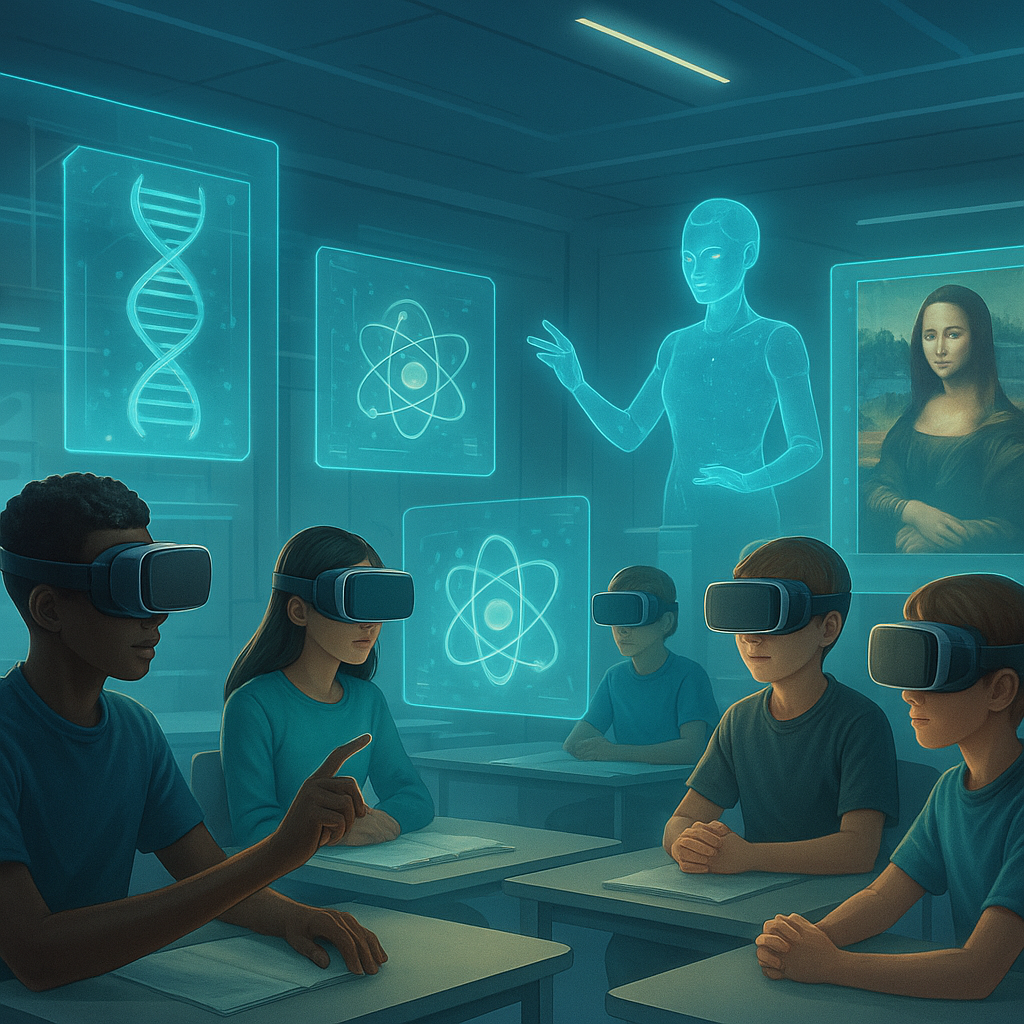
In early 2026, over 60% of higher education institutions worldwide adopted AI-driven personalized learning platforms, marking an unprecedented shift from traditional online courses to intelligent, adaptive education systems. Picture a university lecture hall replaced by an immersive virtual environment where students from across continents interact in real-time, engaging with complex simulations tailored to their unique learning styles. This scene is no longer speculative—it is the emerging reality of online education. The transformation is underpinned by breakthroughs in AI, extended reality (XR), and data analytics, which together are redefining how knowledge is delivered, absorbed, and assessed.
Online learning has transitioned far beyond simple video lectures or static coursework. Today’s platforms harness machine learning algorithms to create dynamic curricula that evolve with learner progress, while VR and AR offer experiential learning opportunities previously impossible to scale. These changes promise increased accessibility and engagement but also raise critical questions about equity, data privacy, and pedagogical effectiveness.
“The future of online learning lies not just in digitizing content but in reimagining how education adapts to each learner’s needs and context,” suggests Dr. Helena Martinez, Chief Innovation Officer at EduTech Futures.
Tracing the Path: From MOOCs to AI-Powered Education
The origins of online learning date back to the early 2000s with the advent of Massive Open Online Courses (MOOCs). These aimed to democratize access to elite education but faced criticism for low completion rates and limited interactivity. Over the past decade, the sector evolved through hybrid models, flipped classrooms, and mobile learning, responding to technological advances and shifting learner expectations.
By 2020, the COVID-19 pandemic accelerated online adoption globally, exposing the shortcomings of existing platforms and catalyzing investment in more robust, interactive solutions. According to UNESCO, more than 1.5 billion learners experienced some form of remote education at the pandemic’s peak, highlighting both the potential and the challenges of digital learning environments.
Following this surge, companies and institutions invested heavily in AI and XR technologies to address engagement deficits and personalize the learning journey. Early adaptive systems analyzed learner behavior to recommend tailored content, but recent advances incorporate natural language processing and affective computing to interpret emotional states and cognitive load.
This evolution is well documented in TheOmniBuzz’s comprehensive analysis on how online learning reshaped education’s future and its global reach, which highlights key milestones and trends that laid the groundwork for today’s innovations.
Data-Driven Insights: Measuring the Impact of Next-Generation Online Learning
Quantitative data from 2026 underscores the effectiveness of AI-enhanced online education. A recent global study by the International Association of Educational Technology revealed:
- 45% higher retention rates in courses using adaptive AI tutors compared to traditional online courses.
- 30% improvement in skill acquisition speed through immersive VR simulations, particularly in STEM and medical training.
- Over 70% of learners reported increased motivation and satisfaction when participating in social VR learning environments.
These figures are supported by leading platforms such as Cerebra Learning and VirtuEd, which leverage AI to track learner progress in real-time, adjusting difficulty and providing targeted feedback. Moreover, XR technologies facilitate hands-on practice in safe virtual spaces, a boon for fields requiring practical skills.
Nonetheless, challenges remain in ensuring equitable access to the necessary hardware and high-speed internet, particularly in developing regions. Data privacy is another critical concern, as platforms collect vast amounts of sensitive learner information. Regulatory frameworks are struggling to keep pace with technological advances, prompting calls for international standards.
“Effective online education must balance innovation with inclusivity and ethical data use,” warns Professor Amir Chowdhury of the Global Education Policy Institute.
2026 Developments: AI, XR, and the Rise of Lifelong Learning Ecosystems
This year marks the solidification of AI and XR integration into mainstream online education. Several key trends characterize the current landscape:
- Hyper-Personalization: AI algorithms now incorporate multimodal data—ranging from biometric feedback to learning preferences—to create bespoke learning pathways, enhancing engagement and outcomes.
- Immersive Collaborative Spaces: Virtual reality classrooms enable synchronous collaboration across geographies, fostering a sense of community and enabling experiential projects.
- Micro-Credentialing: Modular courses with blockchain-verified credentials support flexible career advancement and lifelong learning, increasingly recognized by employers.
- AI Mentorship: Automated coaching systems provide emotional and academic support, bridging gaps left by human instructors.
Government initiatives in regions such as the European Union and Southeast Asia promote digital literacy and infrastructure expansion to democratize access. Companies have also formed consortiums to share best practices and develop interoperable platforms.
TheOmniBuzz’s coverage of why education’s future hinges on personalized and lifelong learning offers in-depth perspectives on these movements, emphasizing the systemic shift from episodic education to continuous, learner-centered ecosystems.
Voices from the Frontlines: Educators and Industry Leaders Weigh In
Industry experts and frontline educators provide valuable insights into the transformative potential and real-world challenges of contemporary online learning:
- Dr. Mei Lin, VR Curriculum Designer: “Creating immersive content demands interdisciplinary collaboration but yields unparalleled learner engagement. The tactile experience in virtual labs is a game-changer for science education.”
- Jamal Thompson, University Provost: “AI tutors have allowed us to scale personalized support without overburdening faculty. However, ensuring data ethics and human oversight remains paramount.”
- Radhika Patel, EdTech Entrepreneur: “Micro-credentialing platforms are unlocking new pathways for workforce upskilling, crucial in a rapidly evolving job market.”
Despite enthusiasm, there is cautious recognition of digital fatigue and the need to blend online with offline modalities sensibly. Equity concerns also dominate conversations, especially around rural and underserved populations.
“Technology is a tool, not a panacea. Success depends on thoughtful integration with pedagogy and inclusivity,” emphasizes Dr. Lin.
Looking Ahead: What to Watch in the Next Decade of Online Learning
By 2030, online learning is poised to become the dominant mode of education worldwide, but several factors will shape its trajectory:
- Advances in AI Explainability: Transparent AI systems will gain trust by elucidating how learning recommendations are made, addressing bias and accountability.
- Expansion of XR Hardware Accessibility: Affordable, lightweight AR glasses and haptic devices will broaden immersive learning beyond affluent demographics.
- Integration with AI Career Pathways: Learning platforms will increasingly align with labor market analytics, guiding learners toward in-demand skills and adaptive career plans.
- Global Regulatory Collaboration: International standards will emerge to safeguard learner data and ensure equitable access.
- Hybrid Learning Models: Seamless blending of virtual and face-to-face experiences will optimize educational outcomes.
Investors and policymakers will need to focus on infrastructure, digital literacy, and inclusivity to avoid widening educational divides. TheOmniBuzz’s analysis on the three ages of data science offers further context on how AI models underpinning these platforms will evolve, highlighting the increasingly sophisticated interplay between traditional machine learning and large language models in education.
Ultimately, the future of online learning will be defined by its ability to empower diverse learners through adaptive, immersive, and ethically designed experiences that transcend geographic and socioeconomic barriers.