
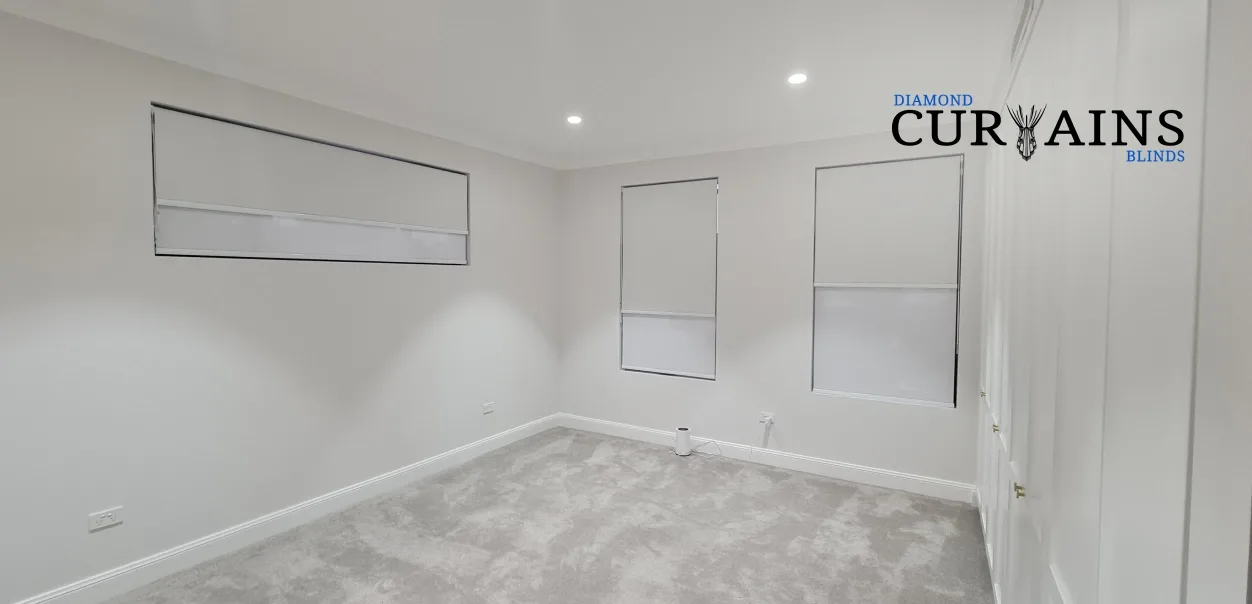
Roller blinds are a practical window furnishing option for modern Australian homes. Their simple appearance, compact design and range of available fabrics make them suitable for bedrooms, living rooms, home offices and many other spaces.
Unlike some decorative window coverings, roller blinds have a streamlined structure that works well with contemporary interiors.
They can be selected to manage sunlight, improve privacy and complement the overall design of a room.
However, not all roller blinds provide the same level of light control or functionality.
Choosing the right product involves understanding fabric types, installation methods, room requirements and operation options.
This guide explains the key factors Sydney homeowners should consider before selecting roller blinds.
1. Understand the Different Types of Roller Blind Fabrics
The fabric is one of the most important components of a roller blind.
Different materials are designed to provide different levels of light control and visibility.
Three common categories are sunscreen, light-filtering and blockout fabrics.
Sunscreen blinds are designed to reduce glare while maintaining some outward visibility during daylight hours.
Light-filtering blinds soften incoming sunlight and create a more diffused lighting effect.
Blockout blinds are made from materials intended to prevent light passing through the blind fabric.
However, light may still enter around the edges of an installed blockout blind.
The ideal fabric depends on the room's purpose.
A home office may benefit from glare reduction, while a bedroom may require greater light control.
2. Sunscreen Roller Blinds for Daytime Comfort
Sunscreen roller blinds are frequently selected for living areas and rooms with large windows.
Their open-weave construction can allow occupants to retain a degree of outward visibility while reducing direct sunlight.
This makes them useful for spaces overlooking gardens, streets or outdoor entertaining areas.
However, sunscreen blinds should not be confused with privacy blinds for night-time use.
When indoor lighting is brighter than outdoor conditions, people outside may be able to see into the room.
For this reason, homeowners should carefully consider whether sunscreen blinds alone provide sufficient privacy.
They may be more appropriate for daytime living areas or combined with another window covering.
The openness of the fabric influences visibility and light transmission.
Different sunscreen materials can produce noticeably different results, so examining samples is recommended.
3. Blockout Roller Blinds for Bedrooms
Bedrooms often require stronger light reduction than living areas.
Blockout roller blinds can help manage early morning sunlight, street lighting and other external light sources.
They are popular in bedrooms because of their compact design and relatively simple operation.
When fully lowered, blockout fabric can prevent light from passing directly through the material.
However, side gaps may remain between the blind and the window frame.
Homeowners wanting a darker room should discuss appropriate installation and side-channel options where available.
The overall result depends on both fabric quality and fitting.
For people comparing custom blinds in Sydney, considering the complete installation system is just as important as selecting the fabric.
4. Light-Filtering Blinds for Living Spaces
Light-filtering roller blinds offer a middle option between sunscreen and blockout materials.
They soften incoming daylight while providing more coverage than many open-weave sunscreen fabrics.
This can make them suitable for living rooms, dining areas and kitchens.
The exact amount of light entering the room depends on fabric colour, composition and thickness.
Pale fabrics can create a soft and bright appearance.
Darker materials may produce a more subdued visual effect.
Homeowners should consider how the blind looks both when lowered and when fully rolled up.
Because roller blinds have a relatively minimal structure, the fabric colour becomes an important decorative feature.
5. Choosing Roller Blinds for Different Rooms
Each room has different functional requirements.
Bedrooms may prioritise privacy and room darkening.
Living rooms often benefit from adjustable daylight and visual comfort.
Home offices may need glare reduction around computer screens.
Kitchens require consideration of cooking-related moisture, cleaning and potential proximity to heat.
Bathrooms need materials appropriate for humidity and possible water exposure.
Selecting the same blind fabric for every room may not provide the best result.
Instead, homeowners should assess each window individually.
A coordinated colour scheme can still be maintained while using different fabric types.
For example, a home may use neutral blockout blinds in bedrooms and similarly coloured sunscreen blinds in living areas.
This approach supports a consistent interior appearance without sacrificing functionality.
6. Inside Mount Versus Outside Mount
Roller blinds can be fitted in different positions around a window.
An inside mount places the blind within the window reveal, provided there is sufficient space.
This can create a neat and integrated appearance.
An outside mount positions the blind beyond the window opening.
It may provide additional coverage around the edges and can be useful where the reveal is unsuitable.
The ideal mounting method depends on window dimensions, handles, frame depth and nearby obstructions.
Outside-mounted blinds also require consideration of wall or architrave clearance.
Homeowners should not assume that one method is universally better.
A professional assessment can help determine the most suitable arrangement.
7. Colour Selection and Interior Design
Roller blinds are available in a wide range of colours and textures.
Neutral shades remain popular because they are easy to coordinate with existing interiors.
White, cream and pale grey blinds can create a simple appearance in modern homes.
Darker blinds may suit rooms with bold colour palettes or contemporary finishes.
However, colour selection should also account for lighting.
A dark blind may appear visually prominent when lowered across a large window.
A very light fabric may blend into the surrounding walls.
Homeowners should compare samples inside the actual room rather than choosing solely from online photographs.
Natural and artificial lighting can influence how colours appear.
8. Manual and Motorised Roller Blinds
Roller blinds are available with different operating systems.
Manual options can provide straightforward functionality.
Motorised systems allow blinds to be raised or lowered using compatible controls.
Depending on the product, these may include a remote, wall switch or supported smart home integration.
Motorisation can be particularly useful for high windows or hard-to-reach locations.
It may also suit homeowners who prefer automated window control.
However, the available functions vary between systems.
Some products offer basic remote operation, while others support schedules or app-based settings.
Before choosing an automated system, homeowners should check compatibility, power requirements and ongoing maintenance.
9. Roller Blinds for Large Windows
Large windows create special requirements for roller blinds.
The width and weight of the fabric can influence the suitable operating mechanism.
Very wide openings may require multiple blinds rather than a single oversized product.
This can provide more practical operation and allow different sections to be adjusted independently.
However, separate blinds may leave small gaps where the products meet.
Homeowners should consider both the visual appearance and expected light control.
For sliding doors, the blind arrangement should allow convenient access without creating unnecessary obstructions.
Careful measurement and product selection are essential.
10. Double Roller Blinds for Greater Flexibility
A double roller blind system combines two blinds on one window.
A common arrangement uses a sunscreen or light-filtering blind together with a blockout blind.
This allows homeowners to choose different levels of coverage throughout the day.
During daylight hours, the sunscreen layer can reduce glare while retaining some outward visibility.
At night, the blockout layer can provide greater privacy.
This combination may suit bedrooms, living rooms and apartments with large windows.
However, double roller blind systems require sufficient space for the additional components.
The window's dimensions and surrounding structure should be assessed before installation.
11. Child Safety Considerations
Window furnishing safety is particularly important in homes with young children.
Some manually operated blinds use cords or chains that can create an entanglement hazard.
Australian safety requirements apply to corded internal window coverings.
Homeowners should ensure their blinds are installed with compliant safety devices and follow the manufacturer's instructions.
Cordless or appropriately designed motorised options may be worth considering.
However, the safety of any system depends on the product and correct installation.
Families should avoid placing furniture, cots or beds where children can access hanging blind cords.
Safety should be a priority when selecting window coverings, not an afterthought.
12. Cleaning and Maintenance
Roller blinds are often selected because their design is relatively simple to maintain.
However, cleaning requirements depend on the fabric.
Some materials can be gently wiped with a suitable cloth, while others require specific care methods.
Homeowners should avoid using harsh cleaning chemicals unless approved by the manufacturer.
Regularly removing dust can help preserve the blind's appearance.
The roller mechanism should also operate smoothly without excessive force.
If the blind becomes difficult to raise or lower, the operating system may need inspection or adjustment.
Following product-specific maintenance recommendations can help reduce unnecessary damage.
13. Professional Installation Makes a Difference
Accurate measurements are essential when fitting roller blinds.
Incorrect sizing can create unwanted gaps, interfere with window handles or affect operation.
Professional installers consider the window opening, mounting position and suitable hardware.
They can also advise on fabric selection and whether a manual or motorised system is appropriate.
Diamond Curtains & Blinds offers a range of made-to-measure blinds for Sydney properties.
Homeowners considering roller blinds and other window furnishings can explore suitable designs for bedrooms, living spaces and offices.
Final Thoughts
Roller blinds offer a practical combination of simple styling, light management and everyday convenience.
Their versatility makes them suitable for different rooms and property types.
However, choosing the right roller blind involves more than selecting a preferred colour.
Homeowners should consider fabric transparency, privacy requirements, mounting methods, operating systems and window dimensions.
Careful planning and professional measurement can help create a finished result that suits both the room's appearance and its practical needs.