Picking a booth size is a big call. The math looks easy. A 10×10 gives you 100 square feet, a 10×20 gives you 200, and a 20×20 gives you 400.
But size changes more than floor space. It changes how people find you, how your team talks to visitors, and how much work happens behind the scenes.
Maybe you are comparing Los Angeles trade show booth rentals for a big Southern California expo. Maybe you are working with Trade Show Booth Builders in USA across several cities. Either way, treat size as part of your plan, not just a space purchase. This trade show marketing guide covers costs, layouts, and venue rules to help you choose.
Meet the Three Standard Booth Sizes
Suppliers like Skyline Exhibits build most of their systems around these three sizes. Each does a different job.
10×10 Booth (100 Sq Ft): Small and Focused
This is the standard inline booth, with one side facing the aisle. Most shows give you an 8-foot back drape and 3-foot side rails.
- Best for: first-time exhibitors, small teams, and one clear message.
- Watch out: Space fills fast. Add a counter, chairs, products, and two or three staffers, and it feels tight.
- Layout tip: Use one big backwall graphic, one lead-capture counter, and tight product staging. Go tall with graphics and lighting. Skyline's ExhibitNow 10×10 kits pack in monitor mounts, shelves, hidden storage, and lights.
10×20 Booth (200 Sq Ft): Twice the Canvas
A 10×20 is usually an inline booth with 20 feet facing the aisle and 10 feet of depth. It is a favorite for growing brands that need Trade Show Exhibit Rentals in Los Angeles.
- Best for: a wider product line, a small demo, or short seated chats.
- Watch out: It is still inline, so side walls and height limits hold your design back. Cram in three or four activities and you get bottlenecks.
- Layout tip: Split the space into a backwall, a counter, one demo station, and a small chat corner. Keep the floor open so people feel welcome to step in.
20×20 Booth (400 Sq Ft): Your First Island
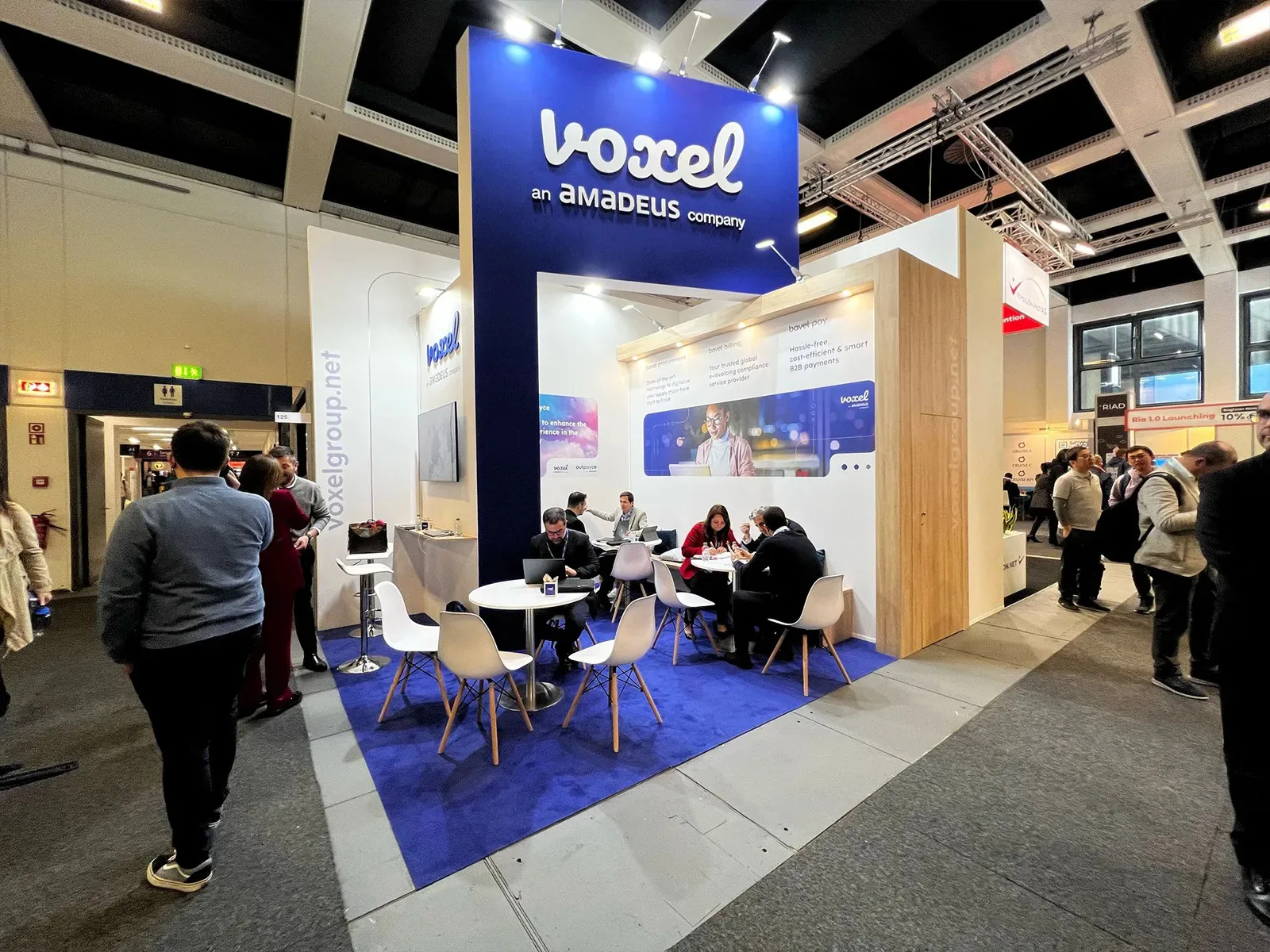
At 400 square feet, a 20×20 is the usual entry to island exhibiting. Visitors can reach it from all four sides. At this level, a Trade Show Booth Design Company in Los Angeles earns its fee, because traffic flow and structure affect your results.
- Best for: established exhibitors with several goals, live demos, meetings, hospitality, and bigger teams.
- Watch out: It costs more, takes more planning, and can feel crowded. Skyline advises picking just two or three main goals.
- Layout tip: Keep the center open, put big structures along the edges, choose modular furniture, and use screens instead of hauling a full catalog.
Booth Size Comparison Table
| Factor | 10×10 | 10×20 | 20×20 |
| Floor area | 100 sq ft | 200 sq ft | 400 sq ft |
| Format | Inline | Inline | Usually island |
| Aisle sides | 1 (2 if corner) | 1 | Up to 4 |
| Best use | One message, lead capture | Product line, basic demo | Multiple zones, live demos, hospitality |
| Meetings | Standing chats | Small seating area | Dedicated meeting space |
| Budget | Lowest | Higher | Highest |
| Main risk | Looks cramped | Too much in 200 sq ft | Overbuilding, blocked sightlines |
What Booths Really Cost
Before you compare quotes, split your budget into three buckets:
- Booth space: the fee you pay the show organizer for bare floor.
- Exhibit hardware and design: the structure, graphics, lighting, and shipping.
- Show-billed services: drayage (material handling), electrical, Wi-Fi, rigging, install and dismantle labor, cleaning, and lead scanners.
These are national estimates, not guaranteed Los Angeles rates.
- 10×10: Artsolute Media Group puts rentals at $10,000 to $14,000 and custom inline builds at $18,000 to $40,000. Pure Exhibits reports a median quote of $21,100 (middle half: $16,300 to $25,400 across 12 quotes).
- 10×20: Artsolute estimates rentals at $16,000 to $24,000 and custom builds at $35,000 to $70,000. Purple Exhibits' 2026 pricing starts at $16,400 for all-in rentals, with a typical price near $23,350 and a top end of $39,850. Union-city install labor averages about $3,150, while drayage, electrical, Wi-Fi, and rigging are billed separately. Pure Exhibits reports a median of $31,200 (middle half: $23,000 to $37,600 across 29 quotes).
- 20×20: Artsolute estimates island rentals at $30,000 to $45,000 (design, graphics, shipping, install, and support) and custom islands at $80,000 to $200,000. Pure Exhibits reports a median of $47,400 (middle half: $41,000 to $56,400 across 56 quotes).
If you exhibit only once or twice a year, renting is a safer way to test a 10×20 or 20×20 before you buy a custom structure.
Los Angeles Convention Center Guide: Venue and Union Rules
Most Southern California shows run at three venues: the Los Angeles Convention Center, the Anaheim Convention Center, and the Long Beach Convention & Entertainment Center. Check the Los Angeles Convention Center calendarearly. Never assume a booth that passes at one venue will pass at another.
Use this Los Angeles Convention Center Guide as a quick list of what to confirm in each exhibitor manual:
- Height limits: Inline booths face tighter limits than islands. Skyline says many U.S. centers allow about 12 to 20 feet for islands. A GES guideline for one Los Angeles event allowed up to 24 feet, with show approval.
- Rigging: Hanging signs and lighting trusses use venue rigging points and usually need union riggers. That adds time and cost.
- Electrical: GES guidelines for Los Angeles events say all electrical services and labor go through GES. Shows often assign this work to IBEW union electricians.
- Fire safety: Follow federal, state, and local codes. Keep extinguishers, pull boxes, and exits clear.
- Union labor: Prospectuses often give unions the install, dismantle, signage, and carpet work. You can usually unpack and arrange your own merchandise. Confirm the exact lines with your booth builder and the show manual.
Design Tips and Common Mistakes
- Limit 20×20 goals to two or three. Trying to please every department turns 400 square feet into an obstacle course.
- Skip the 10×10 meeting room. A walled 10×10 room inside a 20×20 eats 25% of your space and blocks sightlines. Book a hotel suite or venue meeting room instead.
- Plan to grow. Built early, a 10×20 backwall, graphics, and counters can fold into a 20×20 later.
Watch for these six mistakes too:
- Choosing a 20×20 for prestige without the staff or demos to fill it.
- Treating a 10×10 like a mini island with big furniture and too many banners.
- Ignoring inline height rules for tall graphics and towers.
- Forgetting show-billed costs like electrical, drayage, rigging, internet, and labor.
- Blocking traffic with counters across natural entry paths.
- Assuming an inline design works unchanged as an island.
Your Trade Show Exhibitor Checklist
Before you sign a floor-space contract, run through this trade show exhibitor checklist:
- Check your calendar. Review Los Angeles, Anaheim, and Long Beach dates to lock in early-bird deadlines and shipping windows.
- Read the exhibitor manual. Confirm height, rigging, fire, electrical, and labor rules before finalizing drawings.
- Budget all three layers. Keep floor space, exhibit costs, and show-billed services separate so hidden fees do not surprise you.
- Match size to goal.
- Pick a 10×10 for one message, one product category, and a lean team.
- Pick a 10×20 for double the frontage, a product line or demo, and light chats.
- Pick a 20×20 for multiple zones, live demos, and hospitality, if you have the budget and staff.
- Plan for reuse. Ask how graphics, lighting, and hardware can work across sizes over the next 24 months.
Your booth should match what your team can staff, fund, and run well from opening to teardown. Set clear goals, work with reliable builders, and check Los Angeles venue rules early. Then every square foot will work for you.