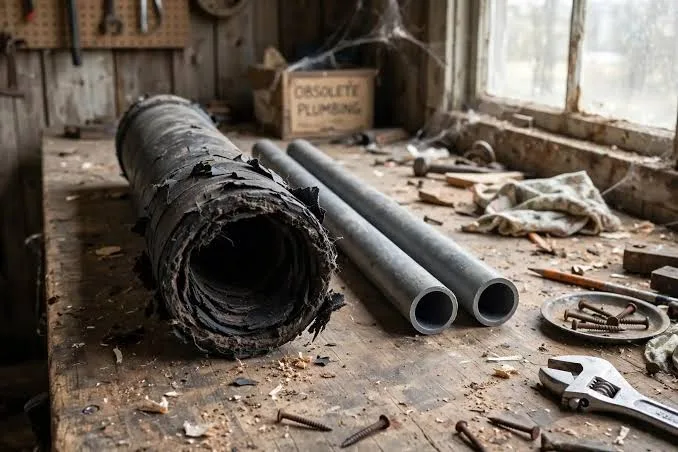
Every pipe, valve, fixture, and water heater has a practical service life that eventually ends through corrosion, mineral scale, thermal stress, or mechanical wear. Turning to Plumbing Replacement Services makes sense when recurring leaks, low flow, rusty water, or outdated materials signal that spot fixes are only delaying a bigger failure. In older homes and busy commercial buildings, aging supply lines, worn drains, or failing water heaters can cause costly water damage if pushed past their limits. Replacing worn components proactively gives property owners cleaner performance and fewer unexpected disruptions.
Matching New Equipment and Piping to Your Property
Effective Plumbing Replacement Services start with evaluating existing pipe materials, water pressure, fixture demand, and available space before selecting new hardware. Upgrading a corroded galvanized or worn copper section, swapping out a failing tank water heater, or replacing a cracked sewer line requires matching new materials to current code and real usage. Proper sizing and clean transitions prevent pressure drops, noisy lines, or premature wear on newly installed equipment. Careful assessment ensures the replacement solves the underlying problem rather than simply matching an outdated setup.
Why Pre-Installation Planning Avoids Costly Delays
Replacing major plumbing components goes much smoother when access paths, shutoff timing, and material availability are mapped out in advance. Opening walls, ceilings, or exterior trenches can reveal unexpected framing obstacles, tight clearances, or older adjacent lines that need attention at the same time. Planning ahead also helps households and businesses prepare for temporary water shutoffs or hot-water downtime during changeouts. Clear scheduling and upfront scope details keep replacement work organized from start to finish.
Common Plumbing Replacements for Residential and Commercial Properties
Property owners pursue full component or line replacements for many practical reasons, ranging from reliability upgrades to layout or efficiency changes. Frequent replacement projects include:
- Water Heater Replacements: Swapping aging standard tanks, tankless units, or heat pump water heaters when capacity, efficiency, or reliability declines.
- Supply and Drain Pipe Replacements: Replacing corroded, leaking, or restricted water and waste lines to restore steady flow and drainage.
- Sewer Line Replacements: Addressing severely damaged, root-intruded, or collapsed underground sewer piping identified during inspection.
- Toilet, Sink, and Faucet Replacements: Installing modern fixtures and valves when existing units leak, crack, or no longer meet daily needs.
- Shutoff Valve Upgrades: Replacing seized or aging main and fixture shutoff valves so future maintenance is faster and safer.
- Remodel and Addition Fixture Tie-Ins: Replacing and relocating plumbing runs during bathroom, kitchen, or property renovations.
Comparing Quotes and Choosing the Right Contractor
Evaluating replacement proposals works best when quotes clearly list scope, materials, disposal, and any potential restoration or finish work. Homeowners and facility managers should ask how the contractor handles unforeseen conditions behind walls or underground, whether required permits are included, and how system testing is performed before completion. Verifying master or licensed credentials, insurance, and clear communication helps ensure the work is done safely and transparently. A thorough walkthrough before quoting often prevents surprises once installation begins.
Safety Standards, Permits, and Code Requirements
Replacement work involving water heaters, gas connections, drain and vent modifications, or main lines often requires permits, inspections, and strict adherence to state code. Proper soldering, pressing, threading, venting, and trap clearances protect occupants from leaks, back-siphonage, and sewer or fuel gases. Technicians should also verify water temperature settings, shutoff operation, and leak-free joints before wrapping up a job. Following applicable codes protects both property safety and long-term compliance.
Realistic Value and Long-Term Performance
Replacing worn plumbing hardware can improve water pressure, hot-water dependability, and peace of mind while lowering the risk of sudden leak damage. Actual service life and savings depend on water chemistry, installation quality, routine care, and how heavily the property uses water each day. Choosing dependable materials suited to the building's layout helps avoid premature wear and costly callbacks. Sound replacement work supports steady day-to-day operation over many years.
Trends in Modern Plumbing Upgrades
Property owners replacing older equipment increasingly look at high-efficiency water heaters, more durable corrosion-resistant materials, and easier-to-service valves and fixtures. Clear diagnostic tools—such as sewer cameras and leak checks—also help confirm when replacement is truly warranted rather than guessing. Foukas Plumbing & Heating brings licensed expertise across residential and commercial plumbing replacements to help property owners upgrade aging systems cleanly and safely.
Final Thoughts
Upgrading worn pipes, fixtures, or water heaters at the right time protects properties from avoidable leaks and keeps daily routines running smoothly. By checking system condition carefully, comparing clear proposals, and following code requirements, property owners can use Plumbing Replacement Services with confidence. Practical planning turns a major replacement into a straightforward improvement for the building. Reliable upgrades lay a strong foundation for long-term comfort and peace of mind.