Vascular health plays an important role in maintaining overall well-being, mobility, and quality of life. Problems affecting the veins and arteries can cause discomfort, visible changes in the legs, swelling, pain, and other complications if left untreated. With advancements in modern medical technology, patients now have access to minimally invasive procedures that offer effective treatment options for various vascular conditions. Consulting an experienced endovascular surgeon UAE can help patients understand their condition and explore suitable treatment options.
In Dubai, vascular treatments are becoming increasingly accessible, particularly for people experiencing varicose veins, spider veins, circulation problems, and other vascular concerns. One commonly considered treatment is sclerotherapy Dubai, a minimally invasive procedure used to treat certain visible and problematic veins. Understanding these treatments, their benefits, and when to seek professional advice can help patients make informed decisions about their vascular health.
Understanding the Role of an Endovascular Surgeon in the UAE
An endovascular surgeon specialises in diagnosing and treating conditions affecting blood vessels, particularly arteries and veins. These specialists use advanced techniques to manage vascular problems, often through minimally invasive procedures that involve small incisions or catheter-based treatments.
Choosing an experienced endovascular surgeon in the UAE is important for patients experiencing symptoms such as persistent leg pain, swelling, visible veins, circulation difficulties, or non-healing wounds. A specialist evaluates the patient's medical history, symptoms, and vascular condition before recommending an appropriate treatment approach.
Modern endovascular procedures may help manage conditions such as peripheral arterial disease, vascular blockages, aneurysms, and certain venous disorders. Depending on the diagnosis, treatment may involve angioplasty, stenting, endovenous procedures, or other specialised interventions.
Patients should understand that every vascular condition requires an individualised treatment plan. A qualified specialist can explain the available options, expected outcomes, potential risks, and recovery requirements.
Common Vascular Conditions That Require Specialist Attention
Vascular conditions can develop gradually, and their symptoms may initially appear minor. However, ignoring persistent symptoms can sometimes lead to more serious complications. Early consultation with a vascular specialist allows patients to receive an appropriate diagnosis and understand their treatment options.
Varicose veins are enlarged, twisted veins that commonly develop in the legs. They may cause heaviness, aching, swelling, itching, or discomfort, particularly after prolonged standing. Spider veins are smaller, visible blood vessels that often appear close to the skin's surface. Although they are frequently a cosmetic concern, some patients may also experience associated symptoms.
Peripheral arterial disease is another condition that affects blood circulation. It develops when arteries become narrowed or blocked, reducing blood flow to the limbs. Symptoms can include leg pain while walking, numbness, cold feet, and slow-healing wounds.
Other vascular concerns include diabetic foot complications, venous ulcers, and deep vein problems. Professional assessment is essential to determine the underlying cause and identify suitable management options.
What Is Sclerotherapy and How Does It Work?
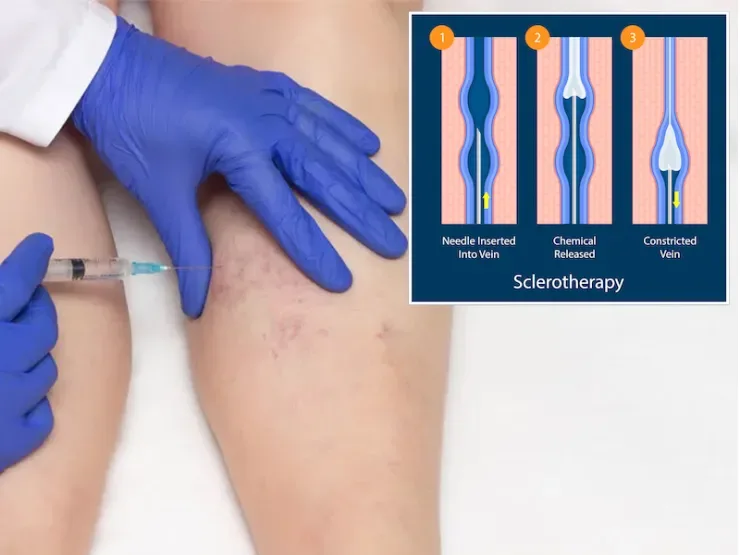
Sclerotherapy Dubai is a minimally invasive treatment commonly used to manage spider veins and selected small varicose veins. The procedure involves injecting a specialised solution, known as a sclerosant, into the affected vein.
This solution irritates the inner lining of the targeted vein, causing it to close gradually. Over time, the treated vein becomes less visible as blood flow is redirected through healthier surrounding veins. The body gradually absorbs the treated vein.
The procedure is generally performed in a clinical setting and does not usually require major surgery. The treatment approach depends on the size, location, and condition of the veins, as well as the patient's overall health.
Before recommending sclerotherapy, a vascular specialist may conduct a physical examination and, when necessary, an ultrasound assessment. This helps identify the underlying venous problem and determine whether the procedure is appropriate.
Benefits of Choosing Sclerotherapy in Dubai
Sclerotherapy is a popular option for patients looking to address visible spider veins and certain smaller varicose veins. One of its main advantages is that it is minimally invasive and generally does not require surgical incisions.
The procedure is typically performed without general anaesthesia, and many patients can return to their regular daily activities relatively quickly, depending on their individual circumstances and the specialist's advice.
Another advantage is that treatment can be tailored to the patient's specific vein concerns. Depending on the number and size of affected veins, multiple treatment sessions may be recommended to achieve the desired results.
Patients may also notice gradual improvements in the appearance of treated veins. However, results vary, and new spider or varicose veins can develop over time. A specialist can explain realistic expectations and whether additional treatments may be necessary.
How to Choose the Right Vascular Specialist in the UAE
Selecting the right vascular specialist is an important step towards receiving safe and appropriate treatment. Patients should consider the surgeon's qualifications, clinical experience, expertise in vascular procedures, and approach to patient care.
An experienced endovascular surgeon should carefully evaluate the patient's symptoms rather than recommending treatment based only on visible veins. A detailed assessment helps determine whether the problem is cosmetic, related to venous insufficiency, or associated with another vascular condition.
It is also important to choose a specialist who explains the treatment process, possible side effects, recovery expectations, and alternative options. Clear communication helps patients understand their condition and participate confidently in treatment decisions.
Patients considering sclerotherapy should discuss their medical history, medications, previous vein treatments, and any history of blood clots with their specialist before proceeding.
What to Expect Before and After Sclerotherapy
Before undergoing sclerotherapy, patients generally receive a consultation to assess their veins and determine whether the treatment is suitable. The specialist may recommend an ultrasound examination if there are signs of underlying venous disease.
After the procedure, patients may be advised to walk regularly and wear compression stockings for a recommended period. These measures can support recovery and improve treatment outcomes when clinically appropriate.
Mild bruising, tenderness, itching, or temporary skin discolouration may occur following treatment. Patients should follow their specialist's instructions and attend recommended follow-up appointments.
Although sclerotherapy can improve the appearance of treated veins, it does not prevent every new vein from developing. Maintaining an active lifestyle, avoiding prolonged periods of sitting or standing, and following medical advice may support long-term vein health.
Conclusion
Maintaining healthy veins and arteries is essential for overall health and an active lifestyle. Whether someone is experiencing circulation problems, varicose veins, spider veins, or other vascular concerns, seeking professional medical guidance is an important first step. Consulting an experienced endovascular surgeon UAE can help patients understand their vascular condition and explore appropriate treatment options.
For individuals concerned about visible spider veins and selected smaller varicose veins, sclerotherapy Dubai may provide a minimally invasive treatment option. With proper diagnosis, personalised care, and professional follow-up, patients can make informed decisions about improving their vascular health and well-being.